
 Best Homeschool Room Essentials (2026)
Best Homeschool Room Essentials: Desks, Storage, Curriculum Organizers & Decor (2026)
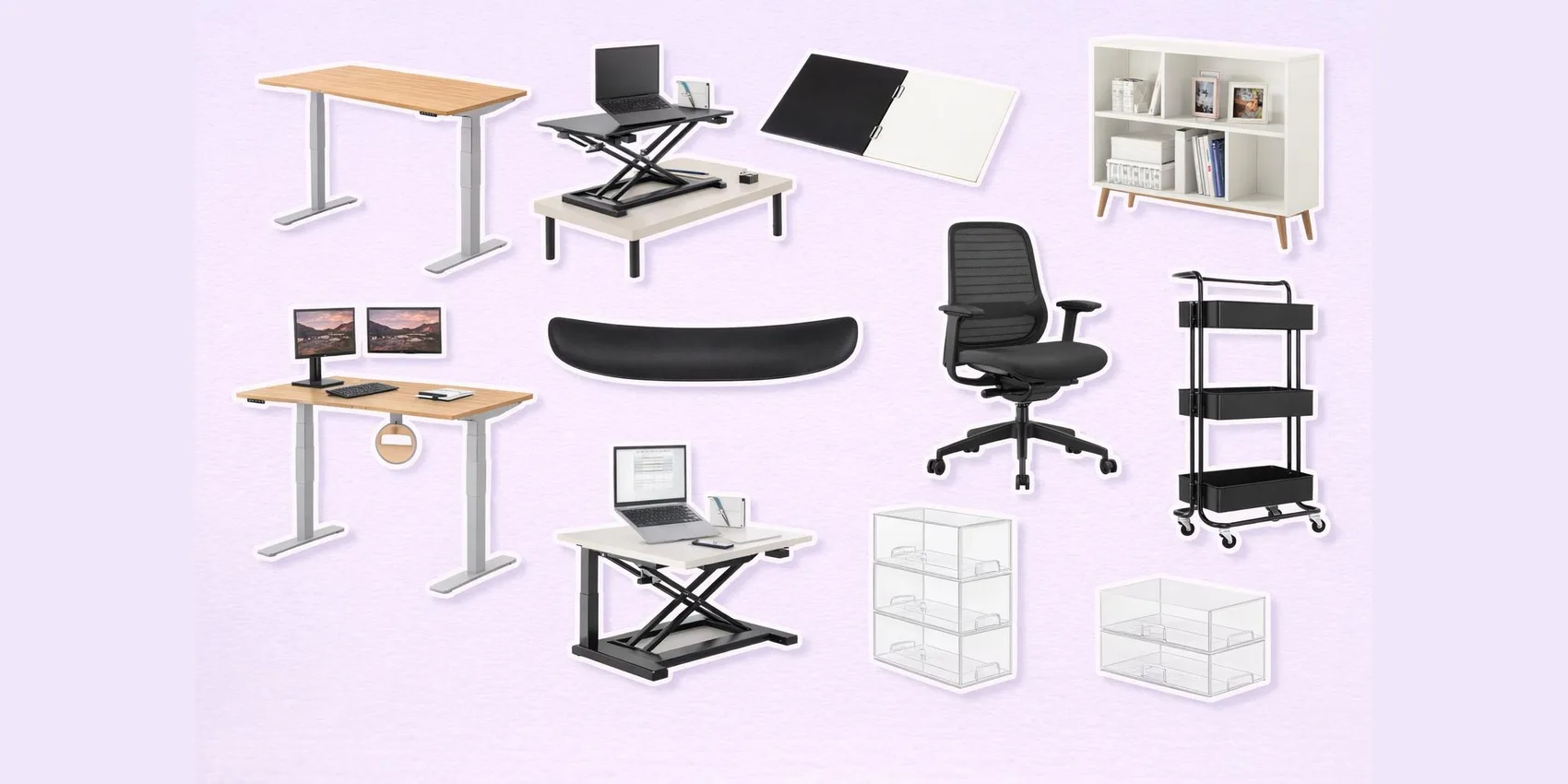
The best homeschool room essentials for 2026 are a height-adjustable desk, a supportive ergonomic chair, visible curriculum storage, and reliable print-and-read tech. This guide sorts 19 picks into six zones — desks, ergonomic chairs, storage and curriculum organization, learning tech, clean-air and quick-clean tools, and study decor — from a $35 school-year planner up to premium standing desks and air purifiers.
Teaching at home alongside a co-op or classroom? Pair this guide with our classroom tech guide for teachers, the kindergarten supply checklist, and the best teacher classroom supplies.
Add-on magic: Save the exact desk, chair, or organizer you liked to a WishDeck wishlist while you plan the room, compare each item's price across Amazon, Walmart, Best Buy and the brand store before buying, and share the list so relatives can chip in on big pieces without doubling up.
Table of Contents
2. Ergonomic Chairs for Long Lessons
3. Storage & Curriculum Organization
4. Tech for Printing, Reading, and Digital Lessons
5. Clean-Air + Quick-Clean Tools
6. Study Vibes & Learning Decor
7. Ready to Share Your Wishlist
Our Top 5 Picks
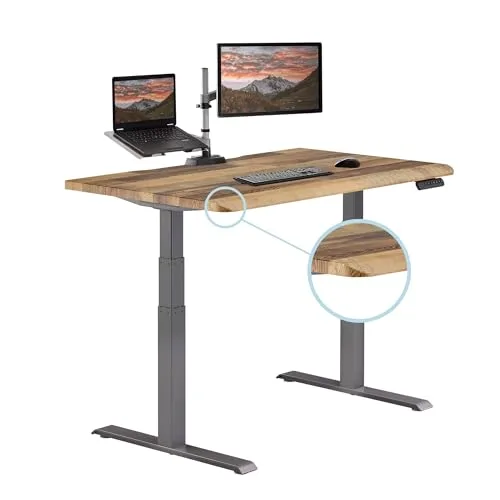 Best Standing Desk
Vari Electric Standing Desk 48"
Box-to-usable fast, sturdy at every height — the teaching desk that doubles as an office.
$799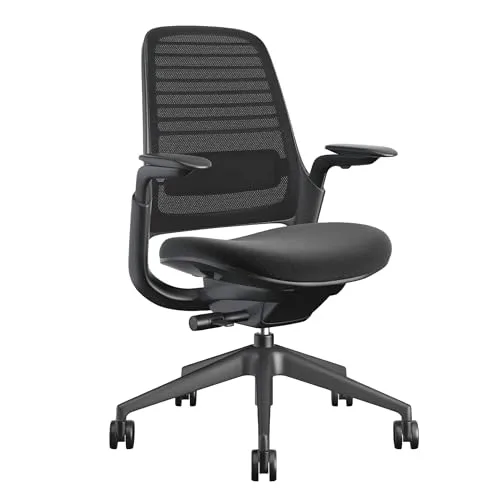 Best Chair Value
Steelcase Series 1 Task Chair
Reputable ergonomics for long planning and grading days without flagship pricing.
$499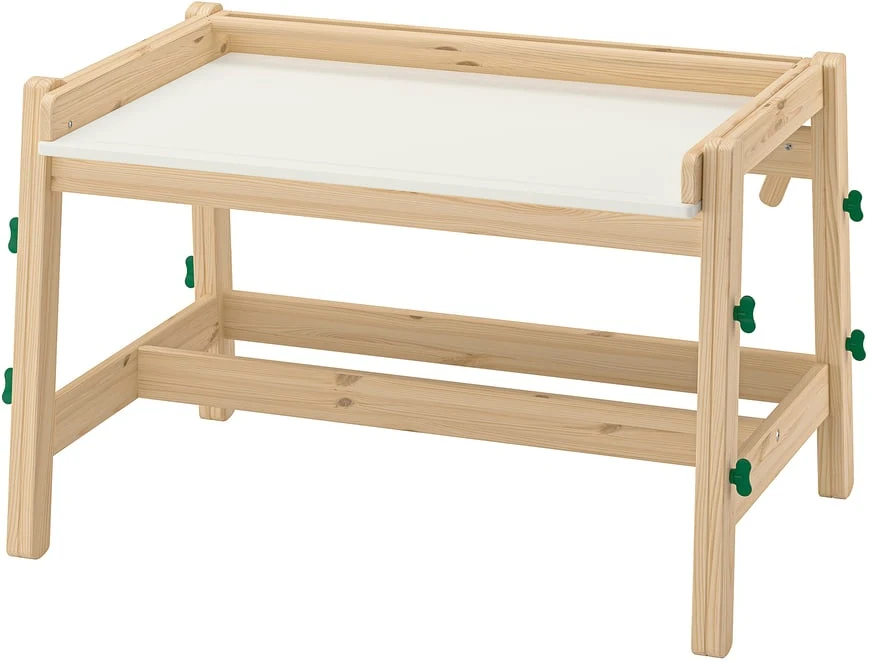 Best Kids Desk
IKEA FLISAT Children's Desk
A dedicated first school station for early elementary without a big investment.
$99.99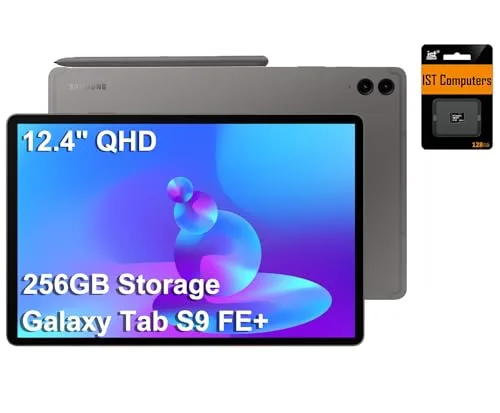 Best Budget Tablet
Samsung Galaxy Tab S9 FE
A capable shared family tablet for reading, apps, and video lessons.
$500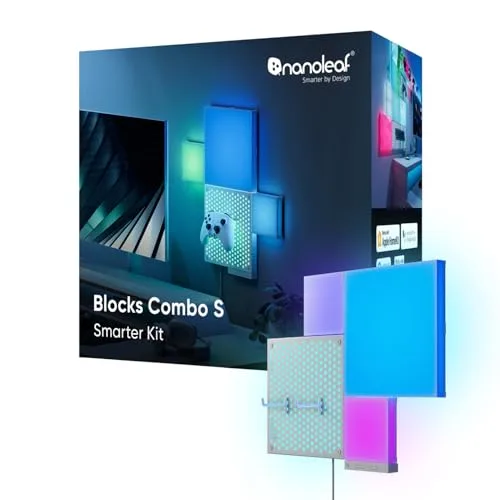 Best Decor Upgrade
Nanoleaf Lines Smarter Kit
Turns a plain corner into a study space kids actually want to use.
$120Desks for Kids & Parents
A solid desk is the anchor of a homeschool room—especially when you’re bouncing between handwriting, crafts, and laptop work. These picks cover adult-friendly standing options and kid-sized desks that make daily routines easier.
1. Fully Jarvis Bamboo Standing Desk (48" x 30")
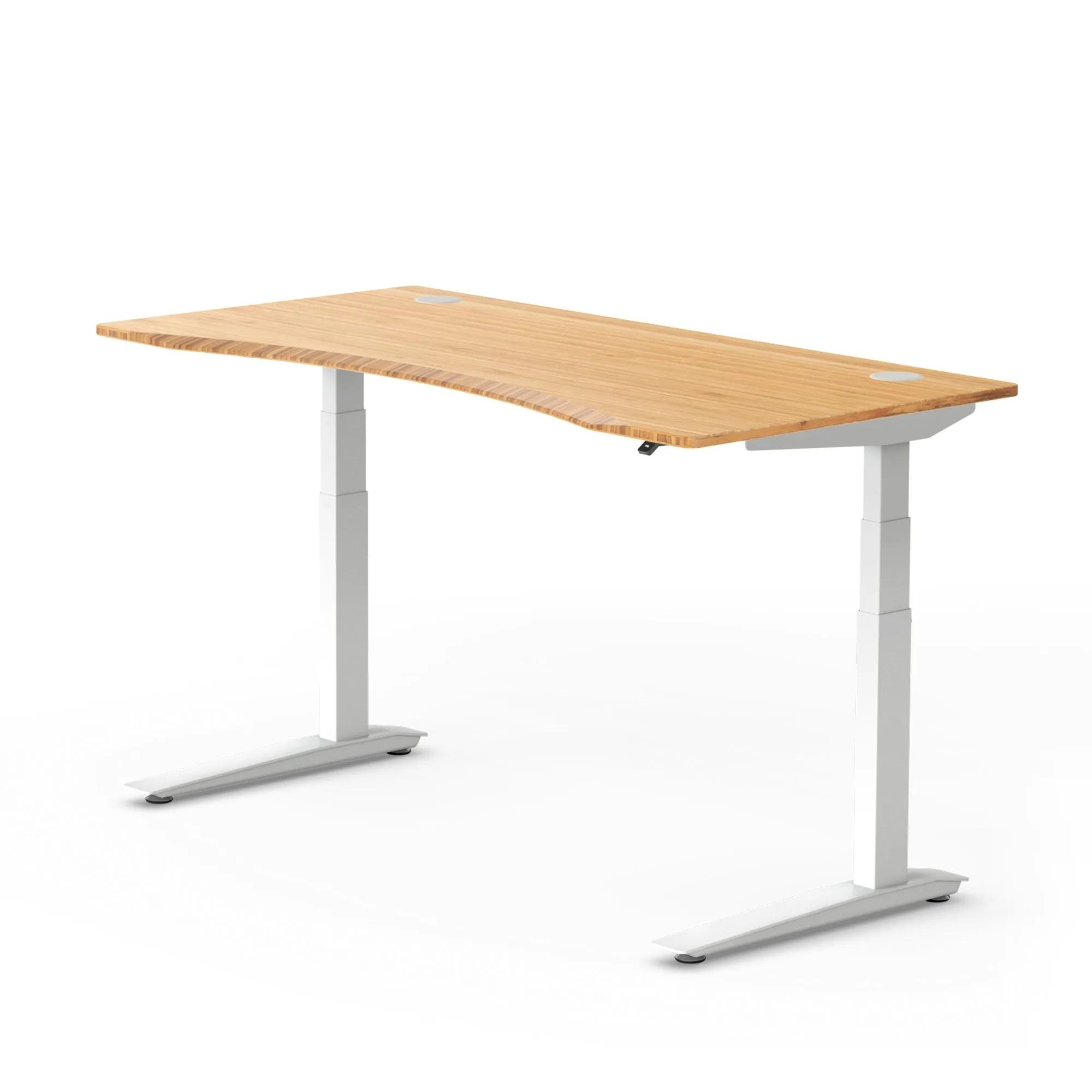

This is an electric sit-stand desk with a warm bamboo top, built for parents or older students who alternate between teaching, grading, and computer work. Across buyer feedback, people consistently highlight the smooth height changes and the “real desk” stability that makes long sessions feel less fatiguing. Reviewers also note it’s a smart fit when a homeschool room doubles as an office because it looks finished, not temporary. Best for home educators who want a durable, adult-grade workspace because it supports posture changes without redesigning the room.
- Electric sit-stand flexibility for varied teaching and computer work
- Bamboo top gives a polished, non-classroom look
- Often described as stable at common working heights
- The most common complaint is assembly can take time and requires careful alignment
- Heavier to move once set up
- Premium price compared to basic desks
“combines form, function and loads of customization options” — Laptop Mag


2. Wayfair Zipcode Design Kids Adjustable Height Desk
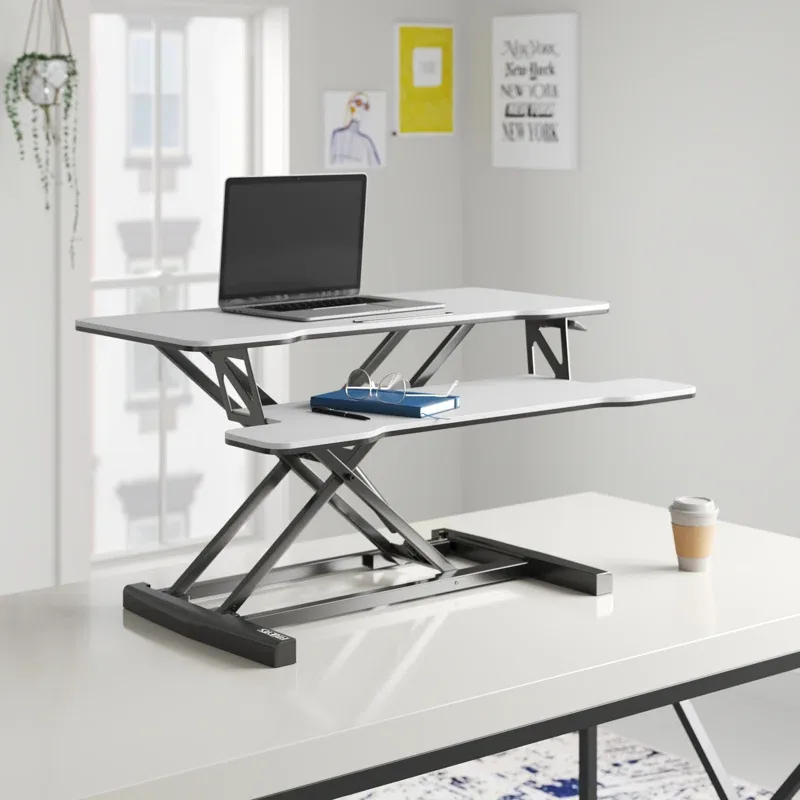

This is a kid-focused desk with adjustable height, designed for growing learners who switch between worksheets, reading, and light computer time. Buyers often report that adjustability helps the desk stay useful across multiple school years, which is especially handy for homeschool families planning ahead. Reviewers also note it can be a space-saver when you need a dedicated “school zone” without committing to adult-sized furniture. Best for younger students because it adapts as they grow while keeping the learning setup consistent.
- Adjustable height helps extend usefulness as kids grow
- Often chosen for small rooms or multipurpose spaces
- Simple, school-ready surface for daily assignments
- The most common complaint is the build quality can feel lighter than premium kids furniture
- Assembly instructions may be inconsistent depending on version
- Limited workspace for bigger projects or multiple devices
3. IKEA FLISAT Children's Desk

This is a compact children’s desk that fits well in a bedroom corner or shared family space where school happens daily. Buyers consistently report it’s an approachable “first real desk,” especially for early elementary routines like handwriting practice and drawing. Across reviews, the value and straightforward design are the main draw, with many families pairing it with simple storage to keep supplies contained. Best for younger homeschoolers because it creates a dedicated learning spot without a big investment.
- Budget-friendly way to create a dedicated school station
- Compact size works in tight rooms and shared spaces
- Simple design that’s easy to match with other storage
- The most common complaint is it can feel small as kids grow or projects get bigger
- Not ideal for heavy tech setups or larger monitors
- May need added organizers to keep supplies from spreading out
4. Vari Electric Standing Desk (48" x 30")



This electric standing desk is a straightforward option for families who want a clean, professional workstation that can shift from seated planning to standing instruction. Buyers consistently mention the simple setup process and a sturdy feel that works well with monitors, textbooks, and bins without feeling wobbly. Across expert roundups, it’s often positioned as a practical “plug-in-and-go” standing desk for home offices that also function as learning hubs. Best for busy homeschool households because it’s designed to get you from box to usable desk quickly.
- Electric height adjustment makes long admin days easier
- Commonly described as quick to set up for a standing desk
- Sized well for a laptop + lesson materials without dominating a room
- The most common complaint is the cost is high versus non-electric desks
- Large footprint can be tight in smaller homeschool corners
- Cable management may need extra accessories to look tidy
Ergonomic Chairs for Long Lessons
When school is at home, sitting happens in longer stretches—reading aloud, math blocks, and parent admin time. These chairs are popular for comfort, adjustability, and support that helps keep focus up and fidgeting down.
5. Herman Miller Aeron Remastered Office Chair (Size B)
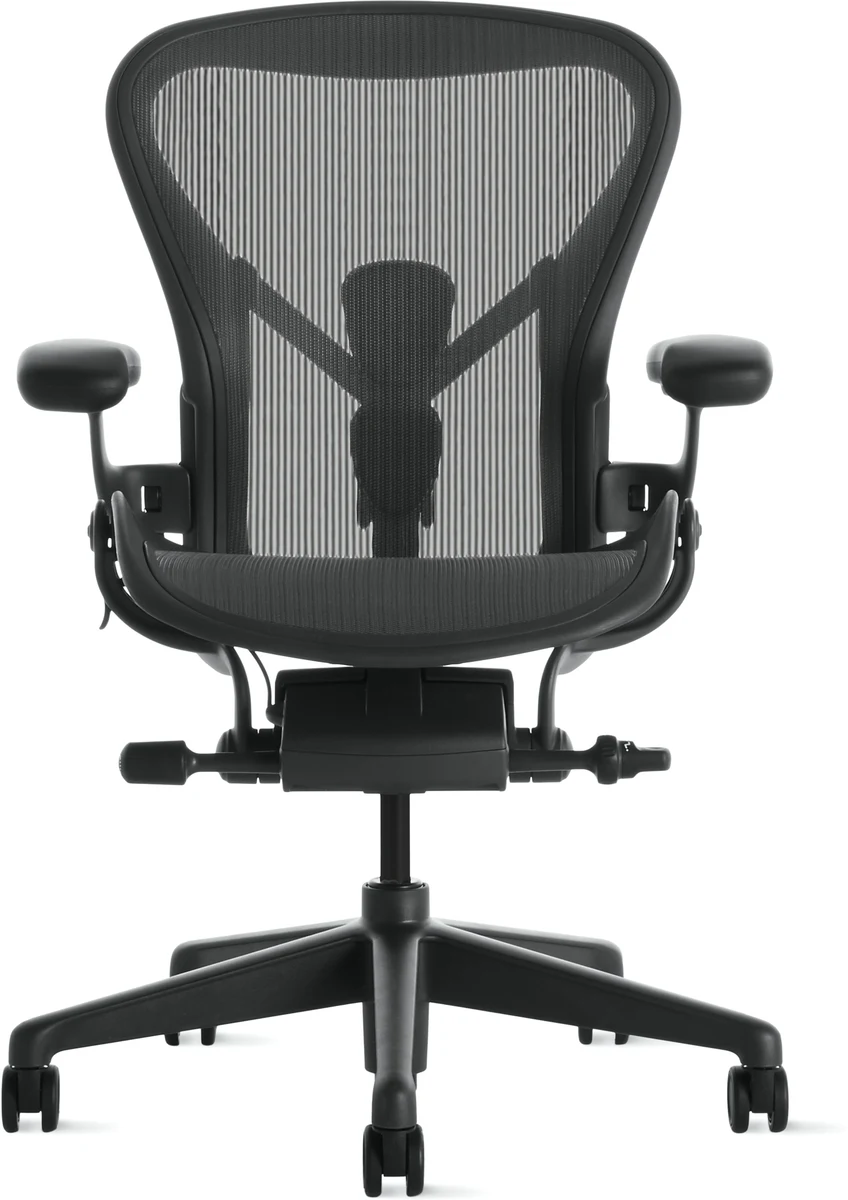
This is a premium ergonomic mesh chair aimed at adults (or taller teens) who spend hours teaching, planning, and managing digital curriculum. Buyers consistently report long-session comfort and breathable support that feels less sticky during warm months or busy days. Across expert reviews, it’s frequently praised for adjustability and a “set it and forget it” fit once dialed in. Best for homeschool parents who sit for long stretches because it’s designed to reduce discomfort without adding bulk to a room.
- Highly adjustable ergonomic support for long desk sessions
- Breathable mesh feel is often cited as a comfort win
- Built to look professional in a shared office/classroom space
- The most common complaint is the price is hard to justify for many budgets
- Sizing/fit can be tricky if you’re between sizes
- Some adjustments and options may feel complex at first

6. Steelcase Series 1 Task Chair

This is a supportive task chair that targets everyday comfort for work-and-school setups, making it a strong pick for a parent desk or teen study station. Buyers often point to a comfortable seat and sensible adjustability that helps with posture during long writing, grading, or screen-heavy days. Across expert comparisons, it’s frequently framed as a “sweet spot” chair when you want reputable ergonomics without going all the way to ultra-premium pricing. Best for families upgrading from a dining chair because it brings real support to daily lessons.
- Practical ergonomics that suit long homeschool planning sessions
- Generally seen as a strong value within premium office chairs
- Fits many room styles without looking overly “corporate”
- The most common complaint is some people find the seat firmness takes getting used to
- Armrest preferences vary and may not suit everyone
- Not as many high-end customization options as flagship chairs

Storage & Curriculum Organization
Homeschool runs smoother when materials have a “home”: books, manipulatives, art supplies, and daily worksheets. These storage picks help you create clear zones (and quick resets) so the room stays usable after the school day ends.
7. Wayfair Wade Logan 6‑Cube Organizer (Modular Storage)
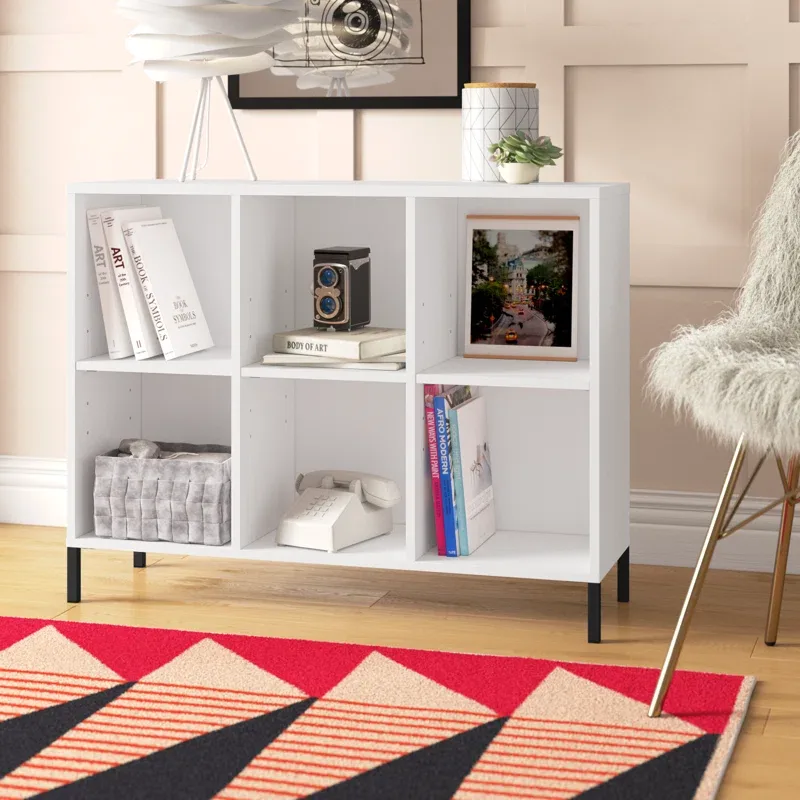
This modular cube organizer is built to corral books, bins, and rotating units so you can keep curriculum visible without letting it take over the room. Buyers consistently report that cubes make it easier for kids to help with cleanup because categories are obvious—math here, art there, read-alouds on top. Reviewers also note it’s flexible for shifting schedules, since you can reassign cubes as your year changes. Best for families who want easy cleanup routines because it creates clear “drop zones” for daily materials.
- Cube layout makes sorting subjects and supplies intuitive
- Flexible setup for bins, books, and rotating curriculum
- Helps kids participate in tidy-up routines
- The most common complaint is alignment/leveling can be finicky during assembly
- Some finishes may show scuffs in high-traffic family rooms
- May require matching bins (sold separately) for the cleanest look
8. Seville Classics Mobile 3-Tier Rolling Cart with Casters
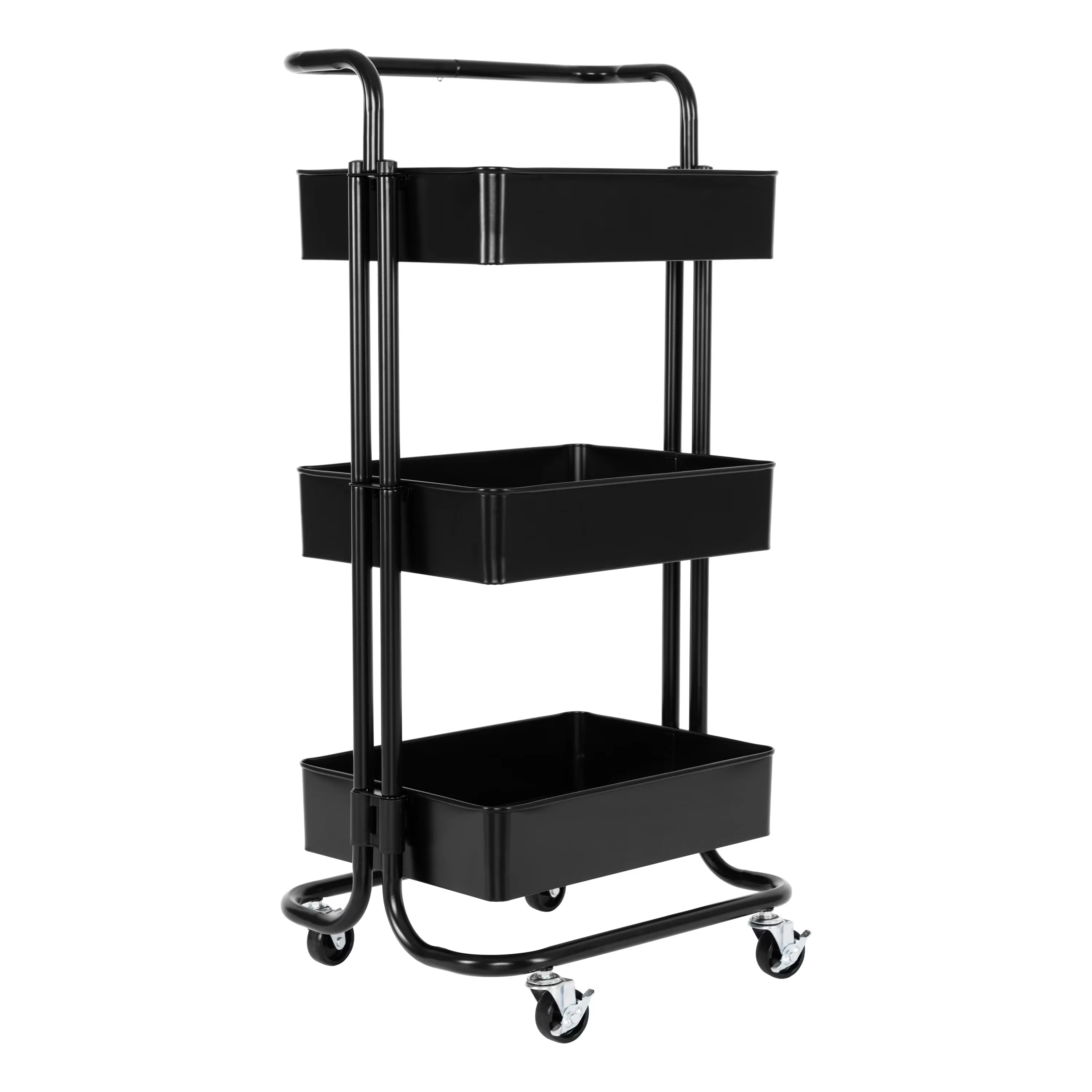
This is a rolling three-tier cart that lets you bring the day’s materials to the table, then park everything back in a corner when school is done. Buyers consistently mention that the casters are a game-changer for multipurpose rooms, especially when you need quick transitions between “classroom” and “family space.” Reviewers also like the open tiers because they keep books and bins visible and reduce the “out of sight, out of mind” problem with reading. Best for flexible homeschool setups because it moves your curriculum to where you’re actually working.
- Casters make it easy to roll lessons between rooms
- Open tiers keep books and bins visible and accessible
- Great for multipurpose spaces that need quick resets
- The most common complaint is it may wobble if overloaded or rolled on uneven floors
- Open design doesn’t hide visual clutter
- Some assembly may require patience to get everything square
9. Stackable Storage Drawers Set of 6
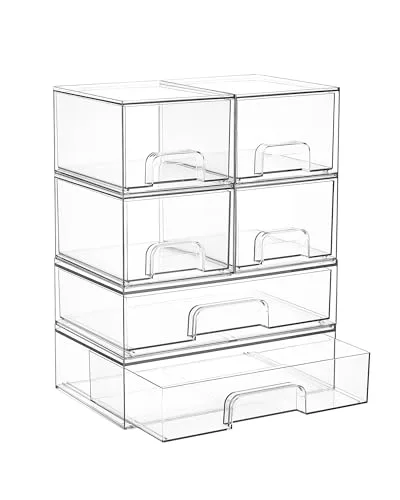
These stackable drawers are a simple way to separate small homeschool essentials—markers, flash cards, math tiles, scissors—so they don’t migrate into every room. Buyers consistently report that labeling each drawer makes daily setup faster, especially when multiple kids share supplies. Reviewers also note stackability is helpful when you’re working with a closet shelf or a narrow corner. Best for families managing lots of small pieces because it turns “where did it go?” into a quick grab-and-go system.
- Easy way to sort small supplies by subject or child
- Stackable footprint fits shelves, closets, and tight corners
- Works well with labels for quick independent access
- The most common complaint is drawers can feel flimsy if overstuffed
- Not ideal for heavy items like thick textbooks
- Clear drawers can look visually busy unless kept consistent
10. Planner Pad Spiral Bound July 2026 – June 2027
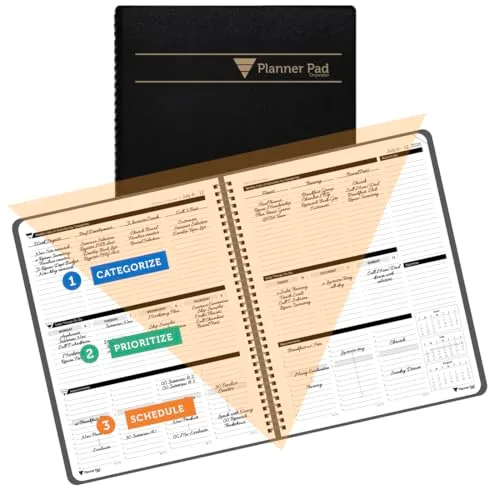
This is a spiral-bound planner that helps you map weekly lessons, appointments, and household tasks in one view—useful when homeschool schedules overlap with real life. Buyers consistently report that the layout makes it easier to see priorities at a glance, which can reduce the “we forgot science lab day” scramble. Across reviews, it’s often highlighted as a planning tool that supports both structure and flexibility as plans change week to week. Best for parent-teachers because it keeps learning plans and life logistics in the same place.
- Weekly overview supports lesson planning and household coordination
- Spiral binding lays flat for desk-side use
- Helps visualize priorities when schedules shift
- The most common complaint is the format can feel bulky in smaller bags
- Not ideal if you strongly prefer fully digital planning
- Some people need a short learning curve to use the layout efficiently
Tech for Printing, Reading, and Digital Lessons
The right tech cuts friction: printing worksheets that actually look good, keeping digital assignments organized, and giving kids a comfortable reading-and-research device. These picks are popular across Amazon and beyond for homeschool-friendly reliability.
11. Canon imageCLASS MF644Cdw All‑in‑One Color Laser Printer
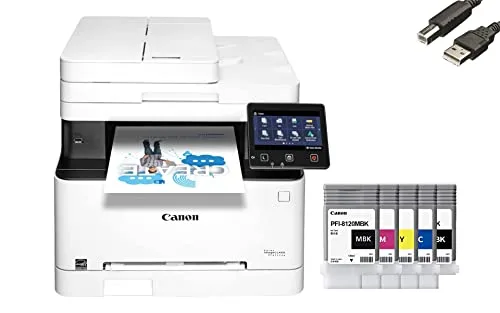

This is an all-in-one color laser printer designed for families who print lesson pages, checklists, and projects and want consistent results without constant fussing. Buyers consistently report crisp text for worksheets and fast, dependable printing that suits high-volume school weeks better than many ink-based setups. Across reviews, it’s also appreciated for being a true “hub” device when you need scanning and copying for portfolios or submissions. Best for print-heavy homeschoolers because it streamlines worksheets, copies, and scanning in one place.
- Reliable for frequent printing of worksheets and handouts
- All-in-one functions support scanning and copying for records
- Text output is often praised as crisp and classroom-ready
- The most common complaint is the upfront cost is steep compared with basic printers
- Toner replacements can be pricey depending on usage
- Larger footprint may be hard to place in small rooms
12. Samsung Galaxy Tab S9 FE (Kids/Education Tablet)

This tablet is aimed at students who need a portable screen for reading, educational apps, and video lessons without being tied to the desk. Buyers consistently mention it hits a practical balance for school use—good for note-taking, quick research, and staying organized across multiple subjects. Reviewers often highlight that it’s a solid “family tablet” choice when you want something capable but not the most expensive option in a lineup. Best for kids doing blended learning because it keeps lessons mobile while still feeling school-focused.
- Portable for reading, apps, and video lessons around the house
- Often described as a good value for school-focused use
- Works well for multi-kid households sharing devices
- The most common complaint is LCD displays aren’t as premium-looking as higher-end tablets
- Accessory costs (keyboard/case) can add up
- Parental-control setup preferences vary by family

13. Apple iPad Air (M2) — for homeschool apps and reading
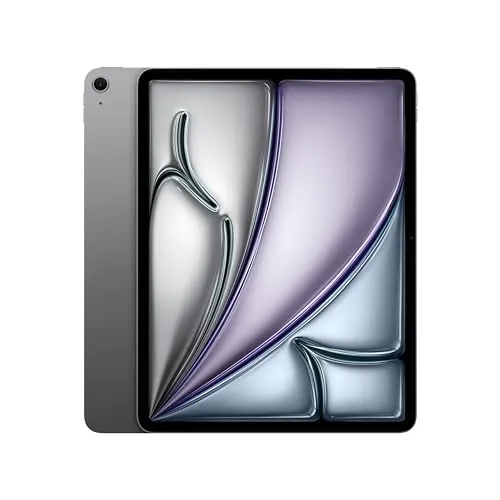

This is a lightweight tablet geared toward families who lean on digital curriculum, audiobooks, and reading apps and want a smooth, responsive experience. Buyers consistently report it handles schoolwork plus creative projects (like drawing or media assignments) without feeling sluggish, which can help reduce frustration during lesson time. Across expert reviews, it’s often positioned as a strong “do-most-things” iPad that’s easier to live with long-term than an entry model if you’re using it daily. Best for app-heavy homeschoolers because it keeps learning materials fast, portable, and easy to access.
- Smooth performance for daily school apps and reading
- Portable for couch learning, carschooling, or room-to-room use
- Strong fit for creative assignments alongside core academics
- The most common complaint is accessories like keyboards and pencils increase the total cost
- Storage choices require planning if you download lots of content
- A tablet may not replace a full laptop for every curriculum platform

Clean-Air + Quick-Clean Tools
A cleaner room usually means a calmer day—fewer distractions, fewer allergens, and faster resets after art, snacks, and science experiments. These tools are commonly chosen for learning spaces where you want quiet help and less daily maintenance.
14. iRobot Braava Jet m6 Robot Mop (for quick classroom cleanups)
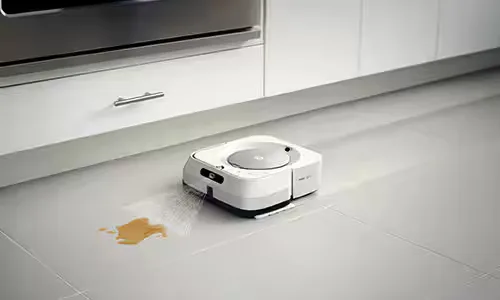

This is a robot mop designed to handle everyday sticky spots and tracked-in messes—useful if your homeschool room includes snack breaks, paint days, or a hard-floor craft area. Buyers consistently report it’s convenient for maintenance mopping, especially when paired with a regular vacuum routine. Reviewers often mention it shines as a “keep it presentable” tool rather than a deep-clean replacement. Best for hard-floor homeschool spaces because it helps you reset quickly after messy projects.
- Convenient for routine mopping in busy family spaces
- Helps handle small spills and everyday grime
- Good for keeping hard floors presentable between deep cleans
- The most common complaint is it’s not a substitute for occasional deep mopping
- May struggle with heavy clutter or tight chair legs
- Pads/solutions are an ongoing supply consideration

15. Dyson Purifier Cool Formaldehyde TP09 (Air purifier + fan)
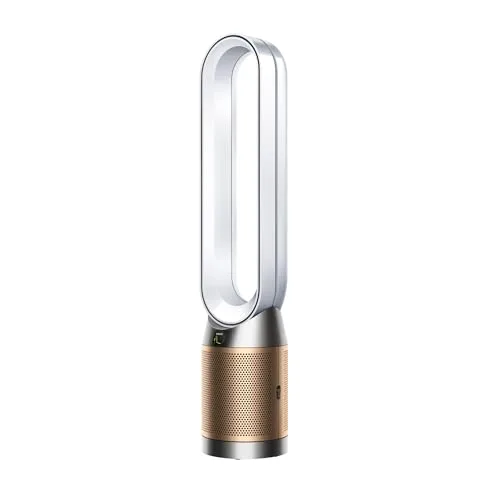

This is a purifier-and-fan combo aimed at families who want a more comfortable learning environment, especially in rooms that get warm or feel stuffy during long lessons. Buyers consistently report it’s appealing for reducing the “stale room” feeling and appreciate the combo approach when you don’t want multiple appliances out. Across reviews, the most consistent theme is that it’s a premium solution with a sleek footprint and added cooling. Best for households prioritizing air comfort because it supports a fresher-feeling classroom while also moving air.
- Combines air circulation and purification in one device
- Often chosen for rooms that feel warm or stuffy during lessons
- Sleek design that doesn’t scream “utility appliance”
- The most common complaint is the price is premium for a homeschool room add-on
- Replacement filters are an ongoing cost
- Can be larger than expected for small corners
16. Bissell CrossWave Pet Pro All‑in‑One Wet Dry Vacuum
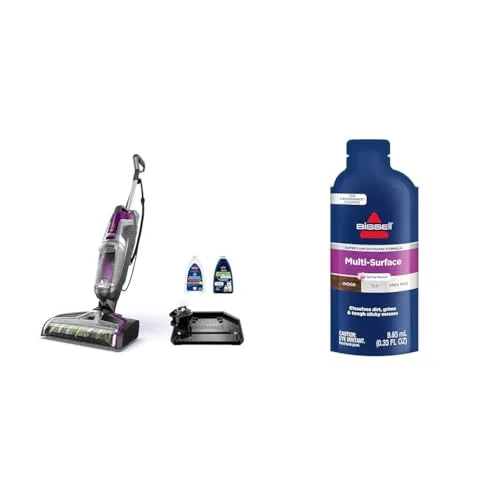

This is an all-in-one wet/dry floor cleaner that targets homes where homeschool life overlaps with pets, snacks, and frequent spills. Buyers consistently report liking the convenience of vacuuming and washing in one pass for hard floors, especially when messes happen mid-day and you want a quick reset. Across reviews, it’s commonly framed as a practical maintenance tool rather than a replacement for every kind of deep cleaning. Best for busy, pet-friendly homeschool homes because it makes “cleanup between lessons” feel manageable.
- Convenient for combined pickup and wet cleaning on hard floors
- Good fit for frequent snack/craft messes
- Helps keep a room presentable with less effort
- The most common complaint is it requires regular cleaning to prevent odors or buildup
- Not ideal for delicate rugs or wall-to-wall carpet cleaning
- Can be bulky to store in small closets


17. Shark Rocket Corded Stick Vacuum (compact pickup)
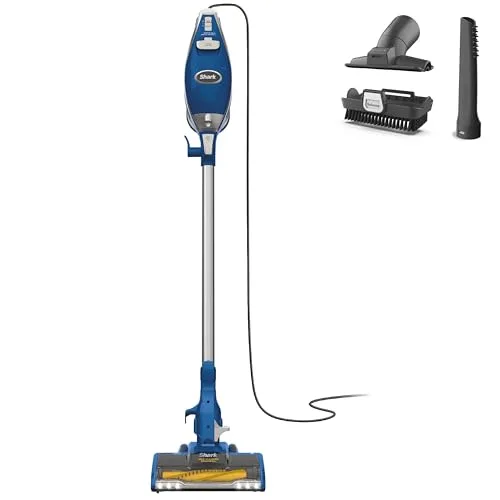

This is a lightweight, corded stick vacuum meant for fast pickup—perfect for the homeschool room where crumbs and craft debris show up daily. Buyers consistently report it’s easy to grab for quick cleanups, especially on hard floors and low-pile rugs. Across reviews, convenience is the main theme: it’s the “daily driver” that keeps things from piling up between deeper cleans. Best for families who want a simple reset tool because it’s quick to use and easy to store.
- Lightweight for quick, frequent cleanups
- Corded power avoids charging downtime
- Slim design is easier to store in small spaces
- The most common complaint is dealing with the cord can be annoying in a busy room
- Not as hands-off as a robot vacuum for daily maintenance
- May not be the best choice for thick carpet cleaning
Study Vibes & Learning Decor
Homeschool rooms work better when they feel inviting—kids take ownership, and the space signals “it’s learning time.” These decor-friendly picks add structure and atmosphere without turning your home into a full classroom.
18. Nanoleaf Lines Smarter Kit (Modular LED Wall Lighting)

This is modular LED wall lighting that turns a plain homeschool corner into a space kids actually want to use—especially for older learners who like a modern, personalized setup. Buyers consistently report the visual impact is the main win, and many like the ability to tweak scenes for focus time versus wind-down reading. Reviewers note it’s most satisfying when you plan placement ahead so it looks intentional rather than random. Best for motivation-minded learners because it makes the room feel special and “theirs” with customizable light.
- Creates an engaging, personalized study atmosphere
- Customizable scenes help signal focus time vs break time
- Modular layout can adapt to different wall spaces
- The most common complaint is it’s pricey for decor lighting
- Setup/planning takes time to get a clean, symmetrical look
- May require careful cable management for a polished finish

19. Melissa & Doug School Time! Classroom Play Set
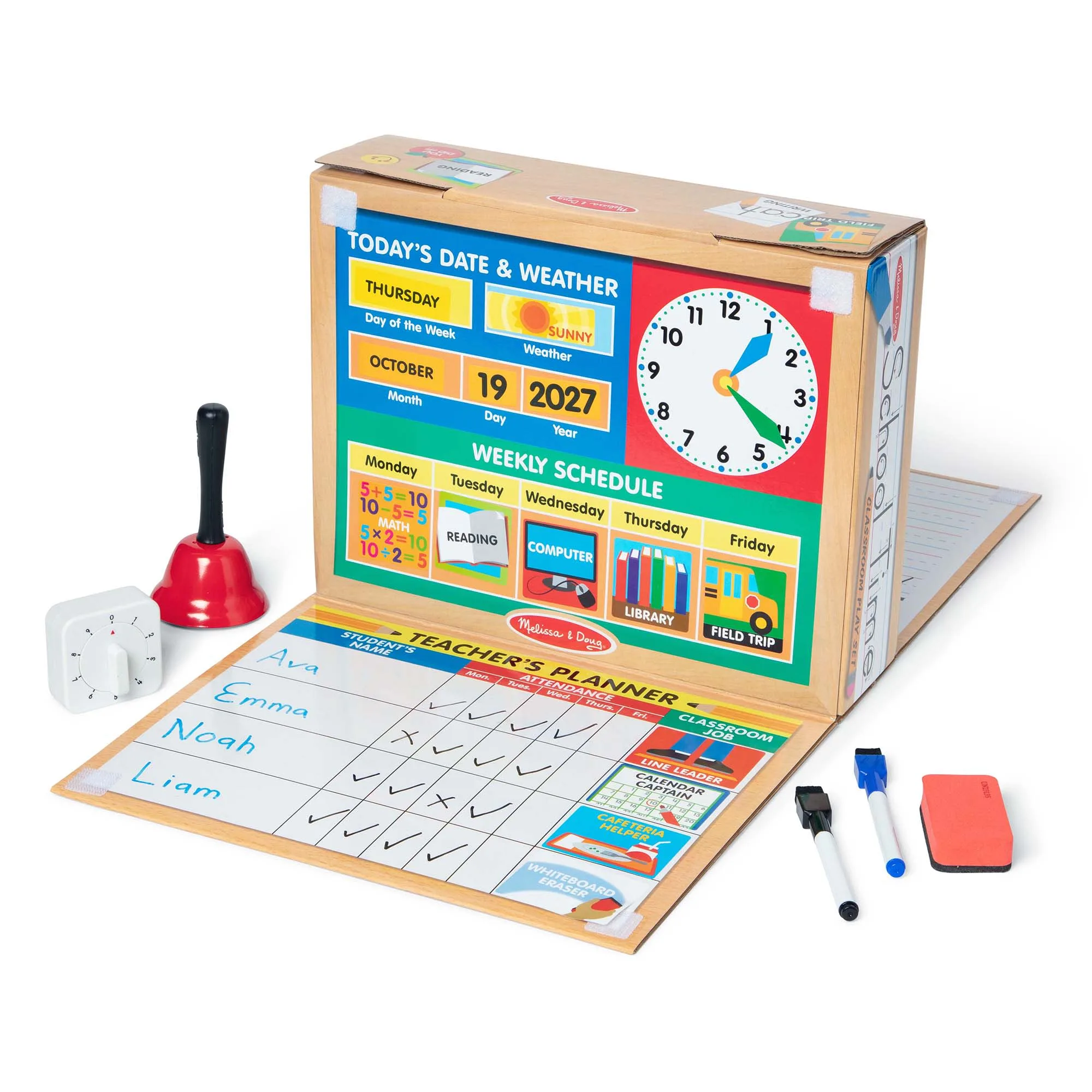
This is a wooden pretend-classroom play set with schedule and learning props that supports daily routines—date, weather, schedule—and helps younger kids “start school” with a predictable ritual. Buyers consistently report it’s engaging for early learners and useful for building independence (kids can update the day themselves). Across reviews, it’s often appreciated as a tactile alternative to screens for morning meeting time. Best for preschool and elementary homeschoolers because it turns daily structure into a hands-on habit.
- Supports a consistent morning routine (calendar, weather, schedule)
- Hands-on format keeps younger kids engaged without screens
- Encourages independence by letting kids lead the daily update
- The most common complaint is small pieces can get misplaced without a storage spot
- Wall/space planning is needed to keep it accessible at kid height
- Best suited to younger ages, less useful for older students
Ready to Share Your Wishlist
A homeschool room comes together over months, not one shopping trip — and the big pieces make great gift requests. Add the exact desk, chair, or organizer you liked to a WishDeck wishlist in one tap, note sizes, colors, and room dimensions right on each item, and share the list with family. They can reserve a gift, so two grandparents never buy the same bookshelf. Build your room list in the WishDeck wishlist app.
Frequently Asked Questions
Popular Reads
- Best Classroom Tech for Teachers: Tablets, Document Cameras & Timers (2026)
- Kindergarten School Supply List: First-Day Checklist for Boys & Girls (2026)
- Best Teacher Classroom Supplies: Amazon Wishlist Ideas for Back to School (2026)
- 15 Best Tablets for Students (2026): Note-Taking Picks, iPad vs Galaxy vs Budget

- 20 Best Back-to-School Gifts 2026: Trending Tech, Dorm Gear & Daily Essentials

Looking for more insights? Explore related topics: Best Classroom Tech for Teachers (2026), Kindergarten Supply Checklist (2026), Best Teacher Classroom Supplies (2026) or find more on our Blog.