
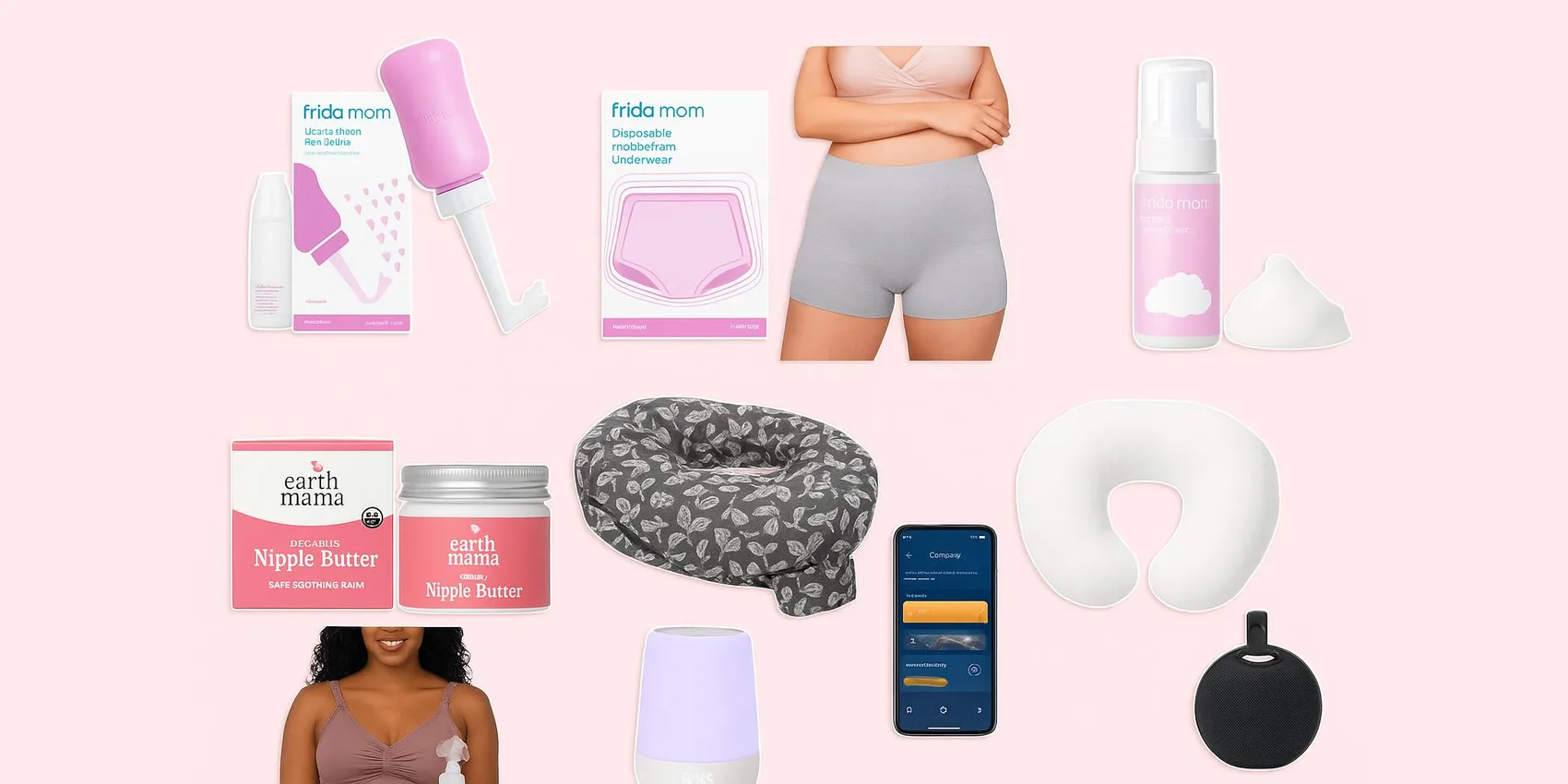
 Hospital Bag Checklist 2026
Hospital Bag Checklist 2026: What to Pack for Mom, Partner & Baby (and When)
Hospital bag checklist, short version: pack by 36 weeks, and pack three bags. Mom's bag holds labor wear, postpartum recovery items, toiletries and paperwork. The partner's bag holds chargers, snacks, a change of clothes and a pillow. Baby's bag holds a going-home outfit, a swaddle and the car seat, which is installed in the car, not packed. The hospital already supplies diapers, wipes, mesh underwear, pads and a peri bottle, so this checklist covers only what you have to bring yourself, in one table you can screenshot, followed by the 15 items that are actually worth buying before the birth.
Once the bag is packed, our newborn essentials checklist covers the first weeks at home, the best baby registry items guide handles the big purchases, and the push present guide is the one to forward to your partner.
Add-on magic: Save every item on this checklist to a free WishDeck wishlist: paste a link from any store and the photo and price fill in on their own. Share the list with one link, no sign-up needed to view, and friends can secretly reserve what they are buying so you do not end up with three peri bottles.
Table of Contents
1. Hospital Bag Checklist at a Glance
2. Mom's Hospital Bag: Labor, Delivery and Postpartum Recovery
3. Partner's Hospital Bag: Comfort and Charging for the Support Person
4. Baby's Hospital Bag: Going-Home Outfit, Swaddles and Diapering
5. When to Pack and What the Hospital Provides
6. Ready to Share Your Wishlist
Our Top 5 Picks
 Best for Recovery
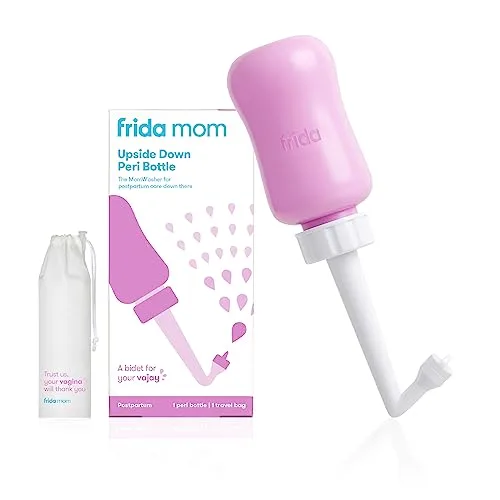
Frida Mom Upside Down Peri Bottle
The angled spout reaches where the hospital bottle cannot, and it is the one item nearly every mom says she was glad she packed.
$9.48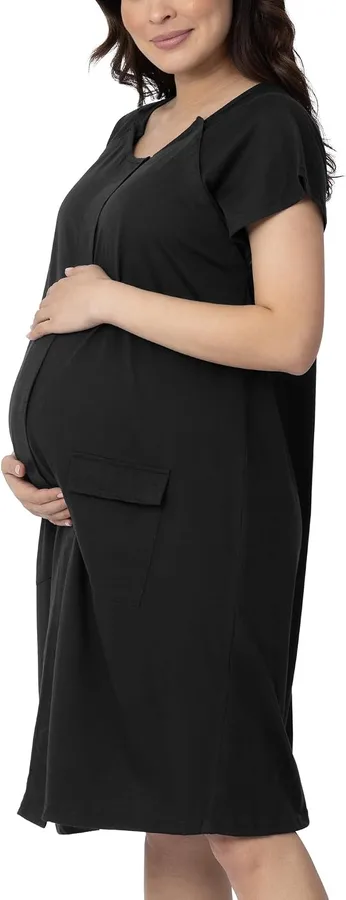 Best for Labor
Kindred Bravely Labor and Delivery Gown
Velcro front and back for monitors, an epidural and skin-to-skin, so you can skip the open-back hospital gown.
$44.89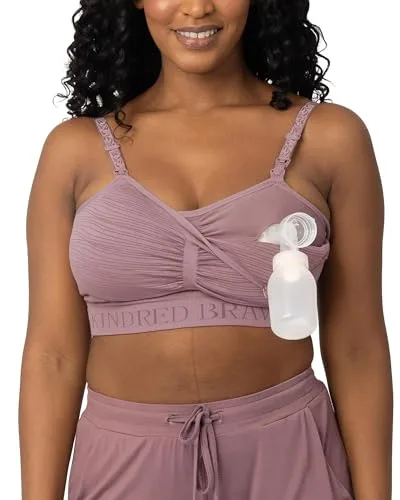 Best for Feeding
Kindred Bravely Sublime Nursing Bra
Nursing bra and hands-free pumping bra in one, sized to stretch as milk comes in during the hospital stay.
$54.90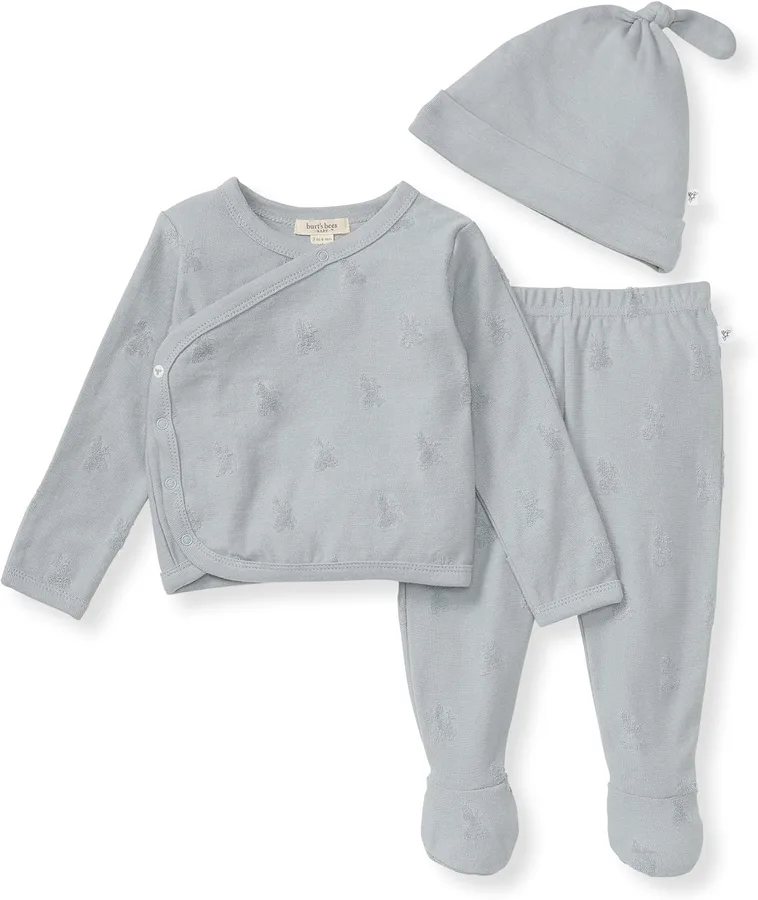 Best Going-Home Outfit
Burt's Bees Baby Take Me Home Outfit
Organic cotton top, footed pant and knot hat in one set, soft enough for newborn skin and simple to get on a wriggly baby.
$27.95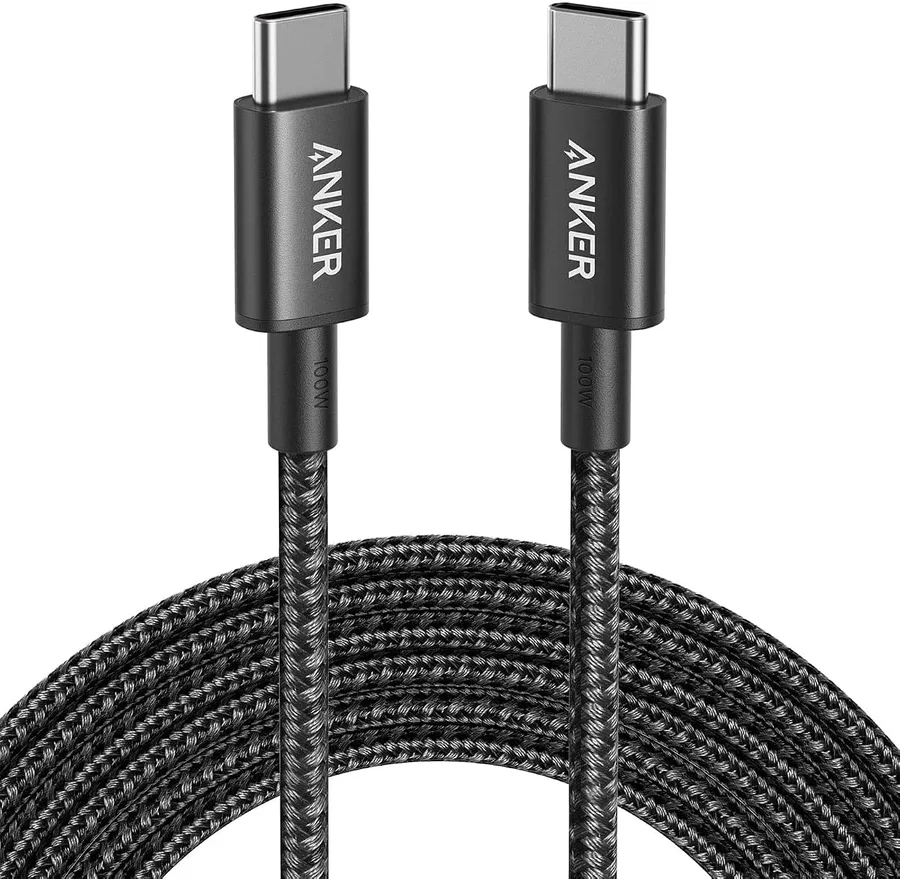 Best Under $10
Anker 10 ft USB-C Charging Cable
Hospital outlets are always behind the bed; ten feet of braided cable means your phone reaches you during labor.
$9.99Hospital Bag Checklist at a Glance
Screenshot this table. It is the full list for a typical one- to two-night stay after a vaginal birth; the C-section additions are in the mom section below. Everything the hospital provides is left out on purpose.
| For mom | For partner | For baby |
|---|---|---|
|
Paperwork and tech
|
Paperwork and tech
|
Non-negotiable
|
|
Clothes
|
Clothes and sleep
|
Nice to have
|
|
Toiletries and recovery
|
Toiletries and food
|
Leave at home
|
|
Comfort
|
Support kit
|
Hospital provides
|
Mom's Hospital Bag: Labor, Delivery and Postpartum Recovery
Mom's bag is really two bags in one. The labor part is small: a gown, grip socks, lip balm, hair ties, a long charging cable and the paperwork. The postpartum part is where the hospital's supplies fall short. The mesh underwear and thick pads they hand out work, but the peri bottle is a squeeze bottle with a straight spout, the pads are bulky, and there is no nipple balm. The eight items below fix those gaps for under $200 total, and the first three are the ones moms tell each other about.
If a C-section is planned or possible, add these: high-waisted underwear that sits above the incision (the Frida Mom boyshorts below work), a loose nightgown or dress instead of leggings, slip-on shoes so you do not bend down, a small pillow to press against your belly when you cough, and enough toiletries for three to four nights.
1. Frida Mom Upside Down Peri Bottle

The upside-down design reaches the right spot without bending, which matters in the first days after a vaginal birth when bending is not on the menu. It costs $9.48, fits in a toiletry pouch, and replaces the straight-spout bottle the hospital gives you. Best for every vaginal delivery; C-section moms use it too once they are up and walking.
- Angled spout works while you sit, no reaching around
- One-handed squeeze with a narrow neck that is easy to grip
- Small enough to keep in the bathroom bag from day one
- Needs rinsing and air-drying between uses
- Holds 10 oz, so you refill it every trip
- The hospital bottle does the job if you forget it
2. Frida Mom Disposable Postpartum Underwear
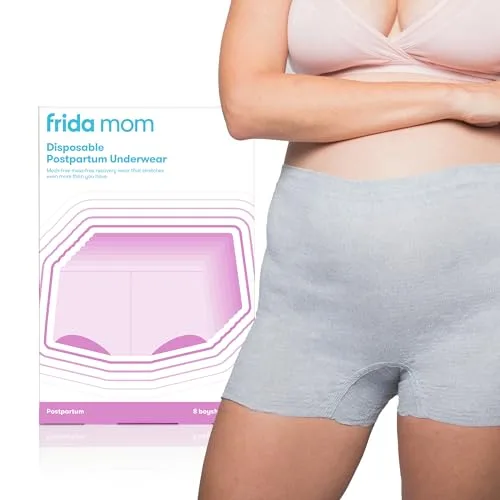
An eight-pack of stretchy boyshort briefs for $15.99 that hold a full-size pad and sit high enough to clear a C-section incision. They are softer than the hospital mesh and you throw them out, so there is no laundry on day two. Best for the first three or four days, for both vaginal and C-section recovery.
- High waist sits above a C-section incision
- Stretch fabric holds a pad without shifting
- Disposable, so no washing in the first week
- Two sizes only; check the waist range before you buy
- Eight pairs last about four days, then you are buying more
- Warmer than the mesh version in summer
3. Frida Mom Witch Hazel Perineal Healing Foam
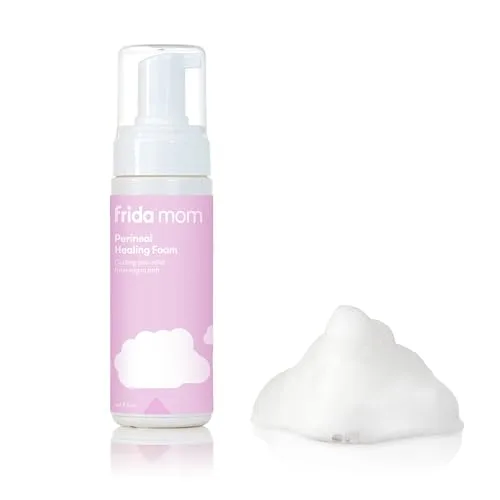
A cooling witch hazel foam for $11.97 that you spread on a pad instead of using loose pads soaked in witch hazel. It replaces the DIY padsicle and takes ten seconds to apply. Best for vaginal births with stitches or swelling.
- Foam stays on the pad, no dripping or cold packs
- Cooling relief without lidocaine
- Pairs with the peri bottle for a two-step routine
- Little use after a C-section
- Sensitive skin may prefer plain witch hazel pads
- One 5 oz can lasts about a week of heavy use
4. Kindred Bravely Universal Labor and Delivery Gown
A soft cotton-blend gown for $44.89 with Velcro down the front and back, so nurses can place monitors, an anesthesiologist can reach your spine for an epidural, and you can do skin-to-skin without taking it off. It is the alternative to the open-back hospital gown, and it works as a nursing nightgown afterward. Best for anyone who wants to look like themselves in the first photos.
- Full-length Velcro front and back for monitors, epidural and skin-to-skin
- Four sizes cover bumps up to 62 inches
- Doubles as a nursing nightgown for the postpartum weeks
- Birth is messy; expect to wash it on hot or retire it
- Polyester blend runs warm in a heated delivery room
- Some hospitals ask you to wear their gown for a C-section
5. Kindred Bravely Sublime Hands-Free Pumping & Nursing Bra
A wireless bra for $54.90 that opens for nursing and holds pump flanges without a second bra, which matters if the hospital lactation team has you pumping on day one. The stretch fabric handles the size jump when milk comes in. Best for moms who plan to nurse, pump or both and want one bra that does everything for the hospital stay.
- Nursing clips and pump-flange openings in one bra
- Fits all major pump flanges, including wearable pumps
- Soft enough to sleep in, no wire
- Sizing changes fast after birth; buy one size up
- Priciest item on this list
- The pads are removable but easy to lose in the wash
6. Earth Mama Organic Nipple Butter
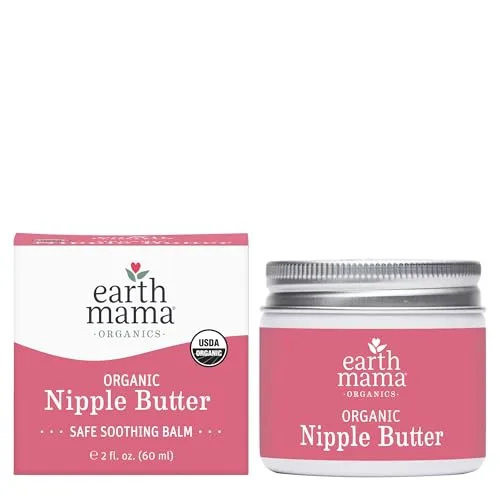
A lanolin-free balm for $13.97 that you do not have to wipe off before feeding. The first days of latching are rough on skin, and the hospital rarely stocks anything for it. Best for anyone planning to breastfeed, and useful as a lip and hand balm if you do not.
- Safe for baby, no need to wipe it off before nursing
- Lanolin-free, so it works for wool allergies
- 2 oz jar fits any toiletry pouch
- Thick texture, softens only with warm fingers
- Melts if the bag sits in a hot car
- Not needed if you are formula feeding from the start
7. My Brest Friend Original Nursing Pillow
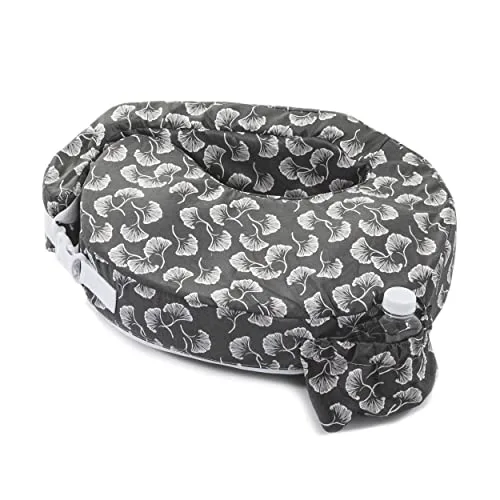
A firm, flat nursing pillow for $40.99 that straps around your waist and holds the baby at breast height, so you are not hunched over hospital pillows at 3 a.m. Lactation consultants like it because the flat top keeps the baby from rolling. Best for first-time nursing parents; leave it in the car if the room is tight and bring it up once you are settled.
- Flat, firm top keeps a newborn at latch height
- Waist strap means it stays put when you shift in bed
- Back support helps after a C-section
- Bulky; it is the largest item in this guide
- The buckle is awkward one-handed with a baby in the other arm
- Cover needs washing after every spit-up
8. Anker 10 ft USB-C Charging Cable
Hospital outlets are behind the bed or across the room. A 10-foot braided Anker cable for $9.99 means your phone reaches you during monitoring, and it charges a laptop or tablet too. Best for both bags; buy two so the partner has one on the pull-out chair.
- Ten feet reaches from a wall outlet to the bed
- 100W, so it fast-charges phones, tablets and laptops
- Braided nylon survives being run over by the bed wheels
- USB-C both ends; older iPhones need a USB-C to Lightning version
- No wall adapter in the box
- Long cable tangles in a bag without a tie
Partner's Hospital Bag: Comfort and Charging for the Support Person
The partner's bag is mostly things already at home: two changes of clothes, a hoodie, a pillow, toiletries, snacks and a water bottle. Labor can run 24 hours and the partner is the one running to the car, the cafeteria and the nurses' station, so their phone dies first. The two items below are the ones worth buying: a power bank so nobody is hunting for an outlet, and a travel sound machine that masks hallway noise for the baby, for mom and for the partner on the pull-out chair.
9. Anker 10,000mAh 30W Power Bank
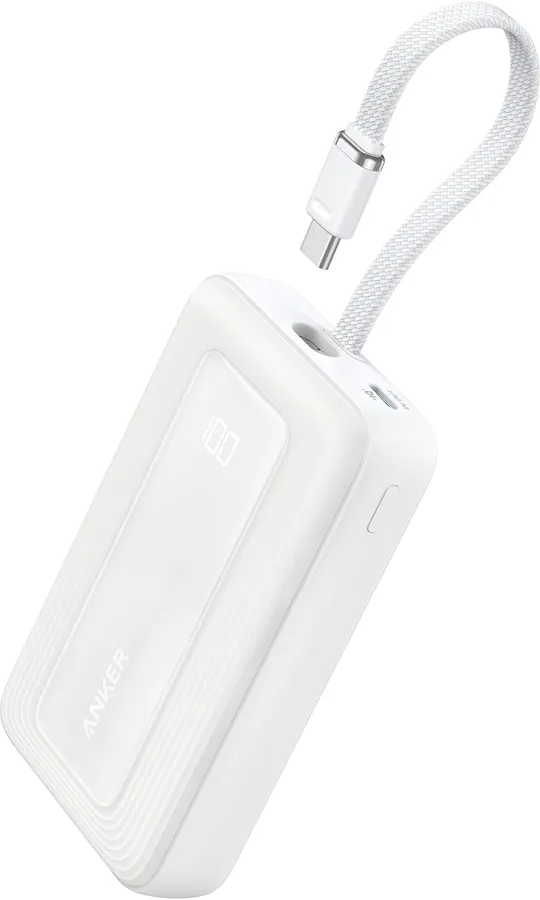
A pocket-size Anker power bank for $29.99 that charges a phone about two times and refills over USB-C. In a delivery room the partner is the photographer, the texter and the one who calls the grandparents, and this keeps that phone alive without an outlet. Best for the partner's bag, and it comes home for stroller walks.
- About two full phone charges per fill
- 30W USB-C output fast-charges current iPhones and Androids
- Small enough for a jacket pocket
- No built-in cable, pack one
- Charge it the night before; it ships half full
- Will not charge a laptop at full speed
10. Yogasleep Rohm+ Travel Sound Machine
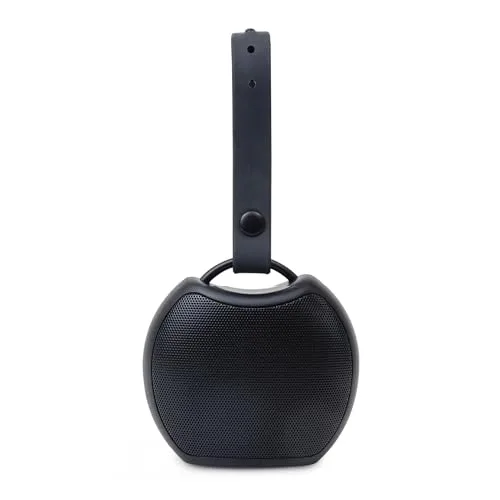
A palm-size rechargeable white noise machine for $49.99 with 20 sounds, a Bluetooth speaker for a labor playlist, and enough battery for the whole stay. Maternity wards are loud at night, and steady noise helps a newborn settle and lets mom sleep between checks. Best for the partner's bag because it keeps working at home on the bassinet and in the stroller.
- Rechargeable, runs all night unplugged
- Doubles as a Bluetooth speaker for music during labor
- Lanyard clips to the bassinet, car seat or stroller
- Twice the price of the basic Rohm without Bluetooth
- Small speaker, so it will not fill a big room
- Buttons are tiny to press in the dark
Baby's Hospital Bag: Going-Home Outfit, Swaddles and Diapering
Baby's bag is the smallest, because the hospital dresses, diapers and swaddles your baby during the stay. You need two going-home outfits in two sizes, one or two swaddle blankets, and the car seat installed before you leave for the hospital. The diapers, ointment and pacifier below are for the ride home and the first night, and they are the same three items you will keep buying for months, so it makes sense to have them at home already.
11. Burt's Bees Baby Take Me Home 3-Piece Outfit
An organic cotton top, footed pant and knot hat for $27.95, sized in newborn and 0-3 months. Pants with feet mean no socks to lose, and the wide neck slides over a newborn's head without a struggle. Best as the going-home outfit; buy one in each size and return the one that does not fit.
- Three pieces in one box, nothing to match
- 100 percent organic cotton, soft on newborn skin
- Footed pants, so no socks to lose in the car seat
- Two-piece outfits ride up in a car seat; a footed sleeper is simpler
- Newborn size fits most babies for two or three weeks
- Limited colors; check the size you want is in stock
12. aden + anais Essentials Muslin Swaddle Blankets 4-Pack
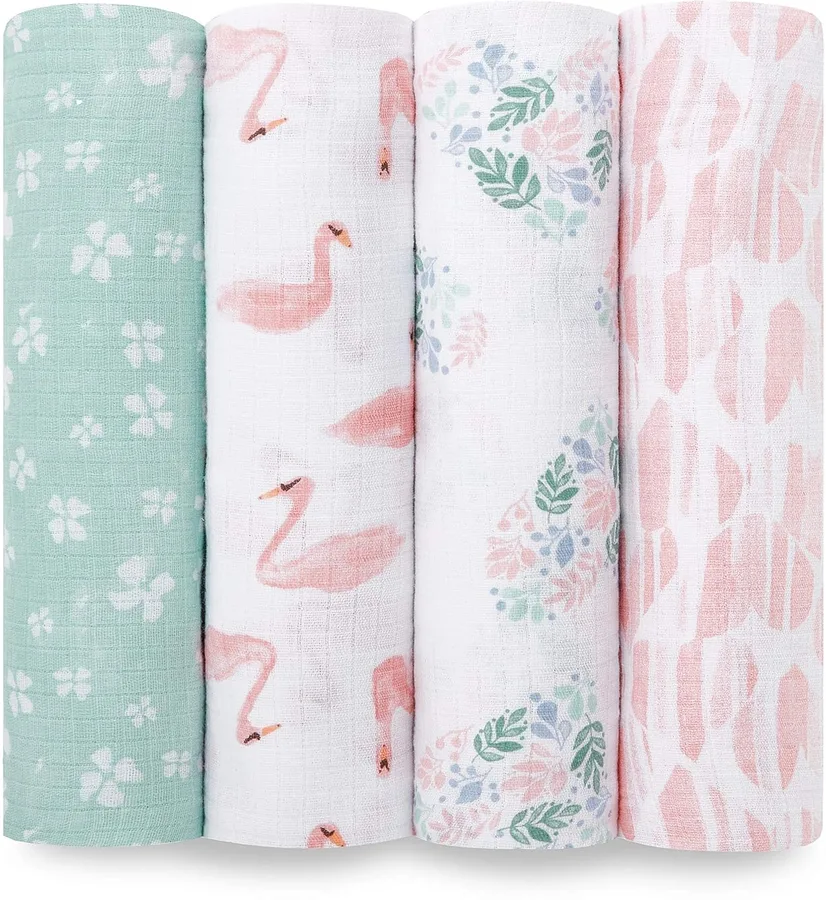
Four 44-inch cotton muslin swaddles for $39.95 that do the job of a receiving blanket, burp cloth, nursing cover and car seat shade. One goes in the hospital bag for the ride home and the newborn photos; the other three stay at home. Best for parents who want one blanket that does everything for the first three months.
- Large enough to swaddle a newborn properly
- Breathable muslin, safe for a warm hospital room
- Softens with every wash and lasts past the swaddle stage
- Thin; not a warm blanket for winter car rides
- You need to learn the swaddle wrap, or use a zip-up swaddle
- Prints are pre-set per pack
13. Pampers Swaddlers Diapers
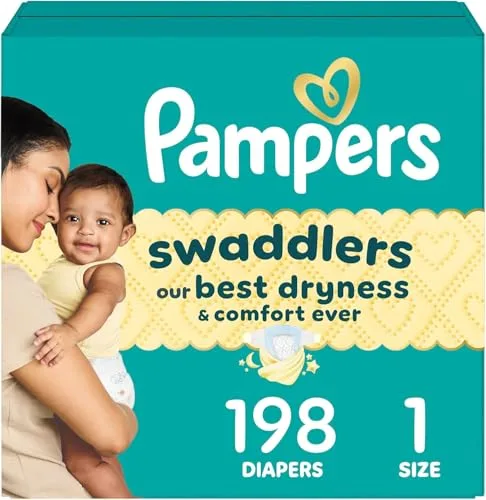
The diaper most US hospitals use, so your baby comes home in a brand you already know. A 198-count box of Size 1 (8 to 14 lb) is $49.77, and Size 1 is the right first box for most babies because newborn size lasts only a week or two. Best kept at home; put two in the bag for the ride if you want your own brand.
- Wetness indicator strip, useful at 3 a.m.
- Umbilical cord notch on the newborn and Size 1 cuts
- Same brand the hospital used, so no fit surprises
- Babies under 8 lb need the newborn size first
- Pricier per diaper than store brands
- Some babies react to the fragrance-free liner; test one pack first
14. Aquaphor Baby Healing Ointment
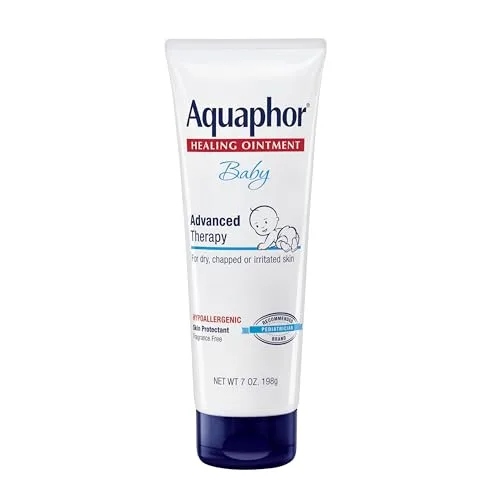
A 7 oz tub for $12.97 that works as a diaper barrier, a fix for dry newborn skin, and the thing you smear on the first meconium diaper so it wipes off. One tub covers the hospital, the diaper bag and the changing table for months. Best for the first diaper changes, when you are still learning and everything is sticky.
- One product for diaper rash, dry patches and cradle cap
- A thin layer makes meconium wipe off in one pass
- Fragrance-free and pediatrician recommended
- Greasy, and it stains fabric
- The 7 oz tub is bulky; decant some into a travel jar
- Not a zinc cream, so a real rash needs something stronger
15. Philips Avent Soothie Pacifier 4-Pack
The one-piece silicone pacifier most US maternity wards hand out, sold as a four-pack for $9.51. If you plan to use a pacifier, this is the shape your baby will already know from the nursery. Best as a backup in the bag; many hospitals give you one, and some ask you to wait until breastfeeding is going well.
- Same pacifier most hospitals use, so no switching
- One-piece medical-grade silicone, boil to sterilize
- Four in a pack, one for each bag and the car
- Many babies refuse pacifiers altogether
- Lactation staff may ask you to hold off in week one
- Sized 0 to 3 months only
When to Pack and What the Hospital Provides
Pack by 36 weeks. Roughly one in ten babies in the United States arrives before 37 weeks, and the ones that come early rarely give notice, so a finished bag at 36 weeks is the sensible target. Start the list at 32 weeks, buy the items you do not own by 34, and have the bag zipped and sitting by the door, or in the trunk, at 36. If you are carrying twins or your doctor has flagged a higher-risk pregnancy, move everything up two weeks. Install the car seat by 36 weeks as well; most fire stations and many hospitals will check the install for free, and the hospital will not discharge a newborn without one.
Keep a short sticky note on top of the bag for the things you cannot pack early because you use them every day: phone and charger, glasses or contacts, toothbrush, daily medications and your wallet with ID and insurance card. Pre-register with the hospital online before 36 weeks so you are not filling out forms between contractions.
What the hospital provides, in most US hospitals: a gown, grip socks, mesh underwear, thick maternity pads, ice packs, a straight-spout peri bottle, a pillow and blanket, a water jug and basic meals for mom. For the baby: diapers, wipes, a bulb syringe, a hat, hospital shirts, receiving blankets, a pacifier, formula and bottles if you need them. Nurses do the first bath. Many hospitals let you take the leftovers home, so bring an empty tote. Call the maternity unit or check its website for the exact list; some hospitals also provide toiletries and postpartum recovery kits, and a few do not supply pacifiers.
What not to bring: jewelry and anything you would be upset to lose, since it comes off for an IV or surgery and rooms are not locked; large amounts of cash; your own medications beyond a listed supply, because the hospital pharmacy dispenses everything; regular underwear and your favorite clothes, which will be stained; candles or anything with a flame; a full diaper stash or bottles, which the hospital supplies; and more than two baby outfits. Leave the stroller in the car and the bassinet at home. One medium duffel for mom, a backpack for the partner and a small pouch for baby is plenty.
Ready to Share Your Wishlist
Turn this checklist into a list people can actually buy from. Add the items you still need to a free WishDeck wishlist: paste a link from any store and the photo and price fill in on their own, make a "Hospital Bag" list next to your registry, and share one link. Friends and family see the list without signing up, reserve what they are buying in secret so nothing arrives twice, and you get a price alert if the gown or the bra drops before your due date.
Frequently Asked Questions
Popular Reads
- 15 Newborn Essentials Checklist 2026 (only what you'll use week 1–4)
- Baby Registry Checklist (2026): 15 Essentials to Add First, Newborn to Year One
- Best Push Present Ideas for New Moms: Jewelry, Keepsakes & Spa Picks
- 14 Must-Have Baby Products & Gear for 2026 (Registry-Tested)
- Best Breastfeeding & Pumping Essentials: Nursing Gifts for New Moms (2026)
Looking for more insights? Explore related topics: 15 Newborn Essentials Checklist 2026, Baby Registry Checklist (2026), Best Push Present Ideas for New Moms or find more on our Blog.