
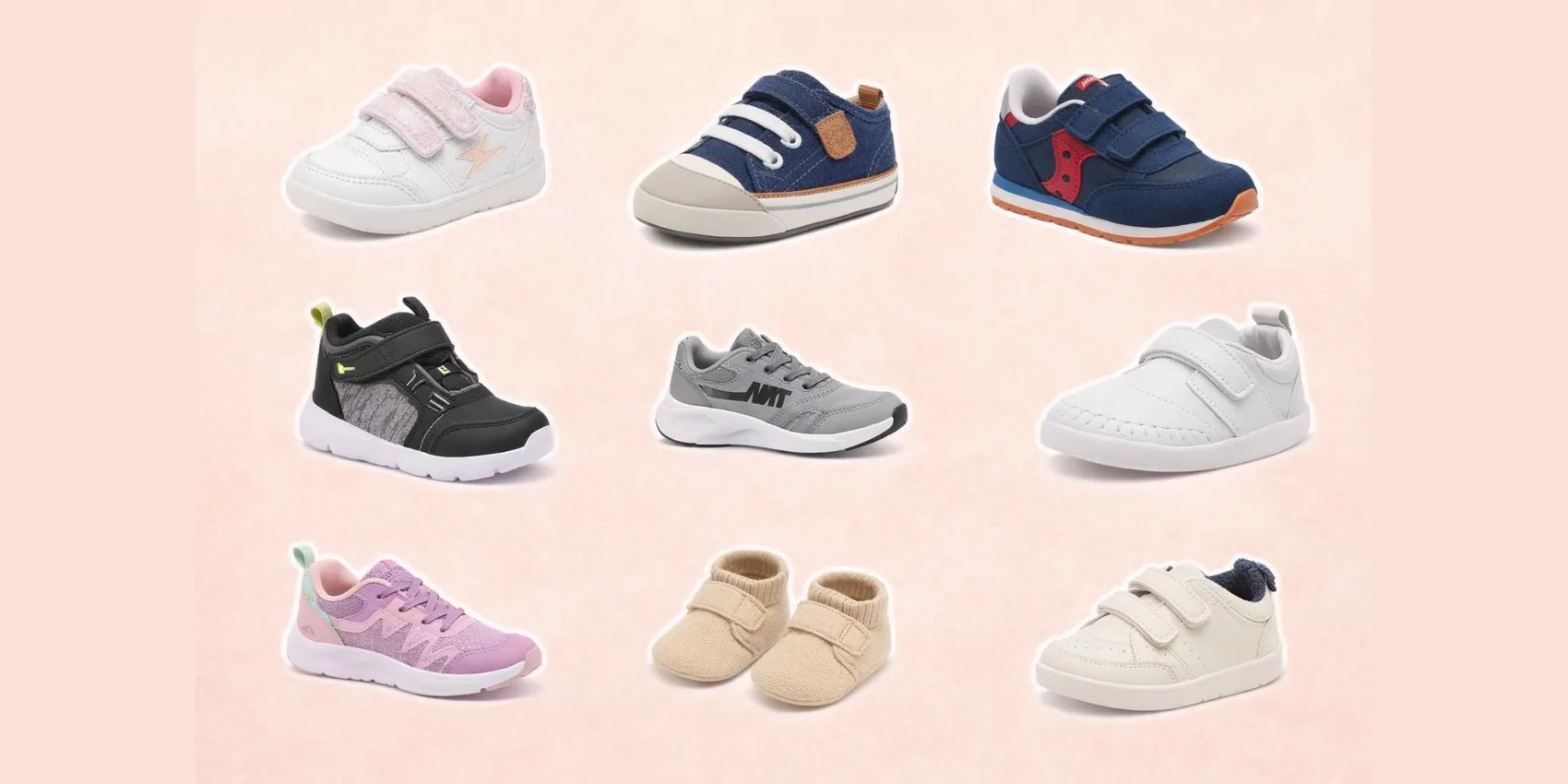
 First Walking Shoes for Babies & Toddlers
Best First Walking Shoes for Babies & Toddlers: Wide Feet, Soft Soles & Sizing
The best first walking shoes for babies and toddlers have a wide toe box, a flexible sole thin enough to feel the floor, and a lightweight build — and for wide feet specifically, brands cut on a foot-shaped last beat narrow classics every time. This guide sorts 20 picks into five groups — wide-toe sneakers, soft-sole shoes, sock-shoes and grippy socks, easy-on everyday favorites, and giftable extras for new walkers — with prices from $10 to $140, plus sizing answers in the FAQ.
Kitting out the whole first-steps stage? Pair this with our must-have baby gear guide, the best play gyms for gross-motor development, and our babyproofing essentials roundup.
Add-on magic: Pin every contender to a WishDeck wishlist while you size-check, compare the same pair's price on Amazon, Walmart and the brand store so you never overpay, and share the list so grandparents grab the next size up instead of a duplicate.
Table of Contents
1. Wide-Toe First-Walker Sneakers (Everyday)
2. Soft-Sole & Early-Step Shoes
3. Sock-Shoes, Booties & Grippy Socks
5. Giftable Extras for New Walkers
6. Ready to Share Your Wishlist
Our Top 5 Picks
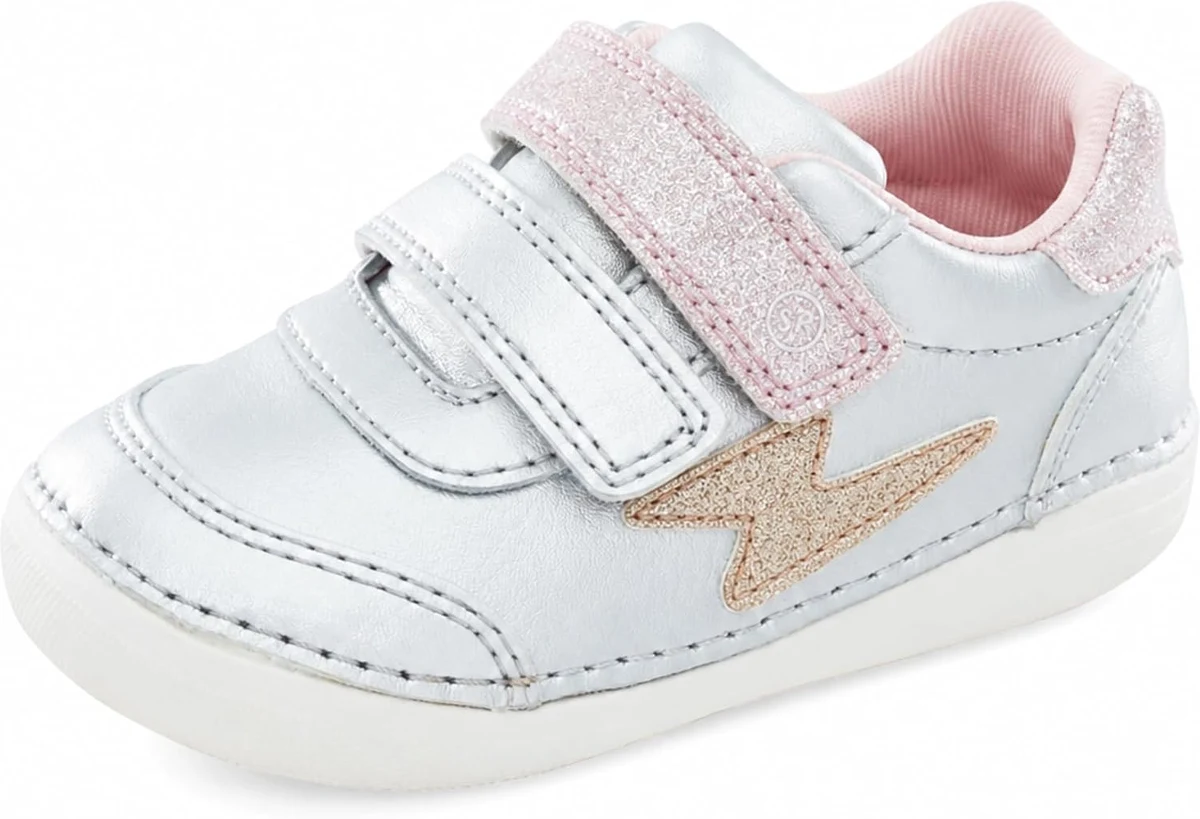 Best Overall
Stride Rite Soft Motion Sneakers
The pediatric classic — rounded soles and memory-foam footbeds built for brand-new walkers.
$50.00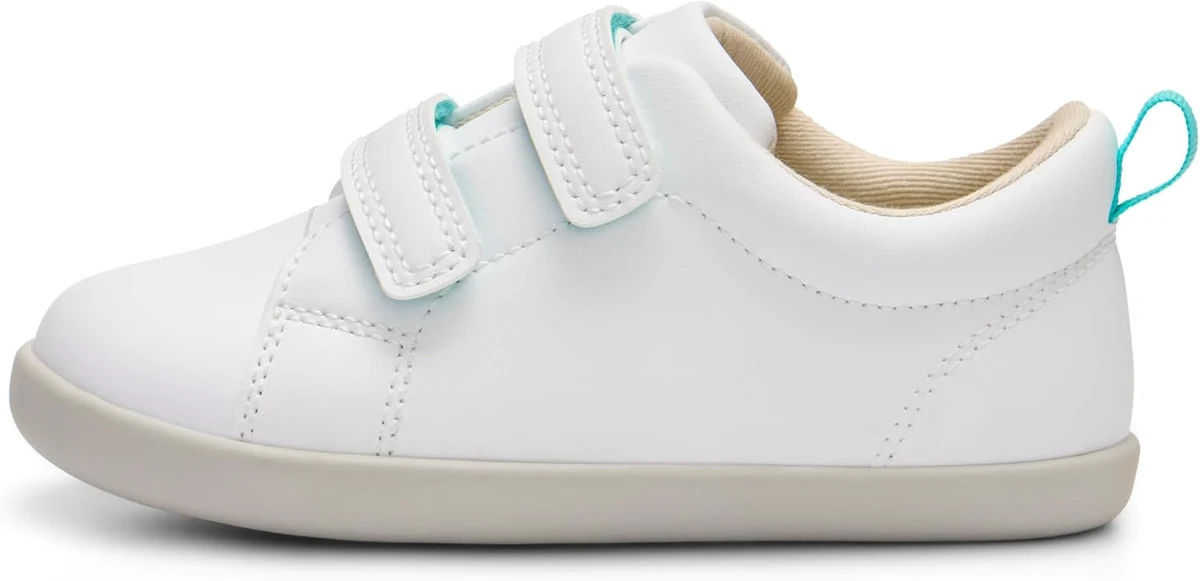 Best Wide Toe Box
Ten Little Everyday Original
APMA-accepted, zero-drop, and shaped like an actual toddler foot — the wide-feet answer.
$45.00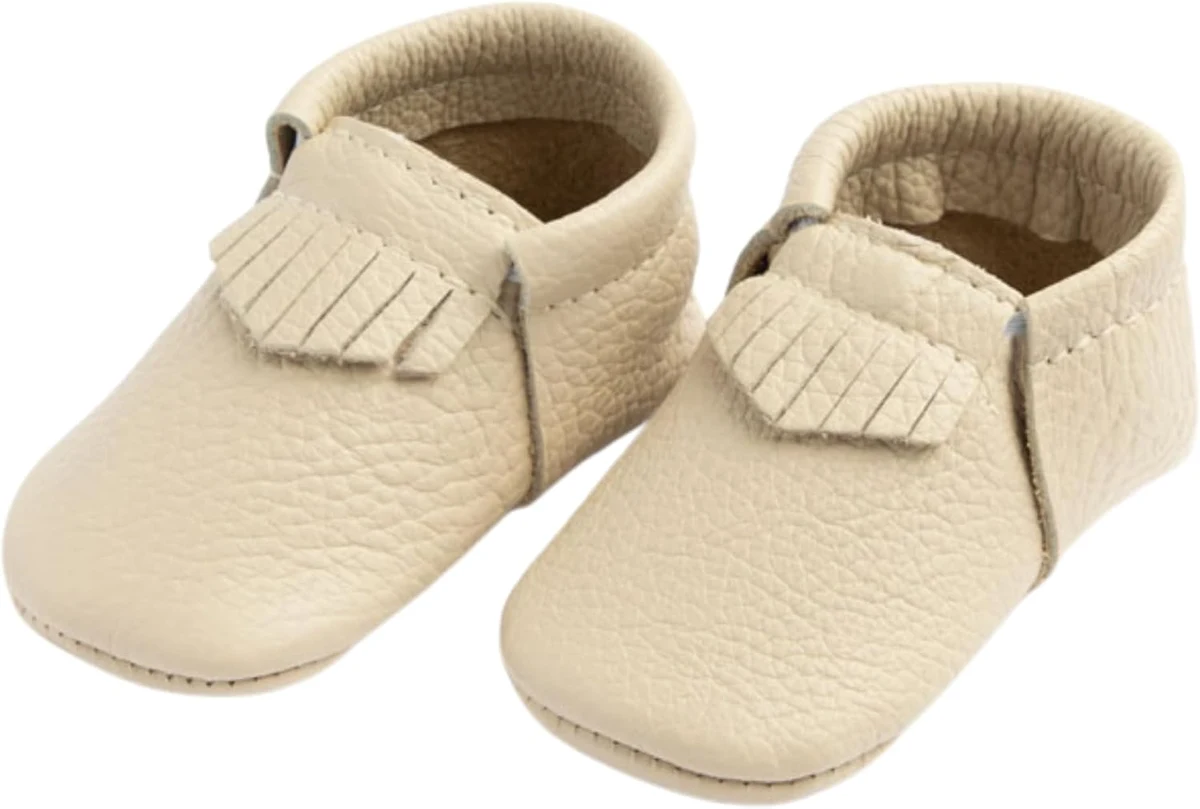 Best Soft Sole
Freshly Picked City Moccasins
Buttery leather that lets pre-walkers grip the floor the way barefoot science says they should.
$25.00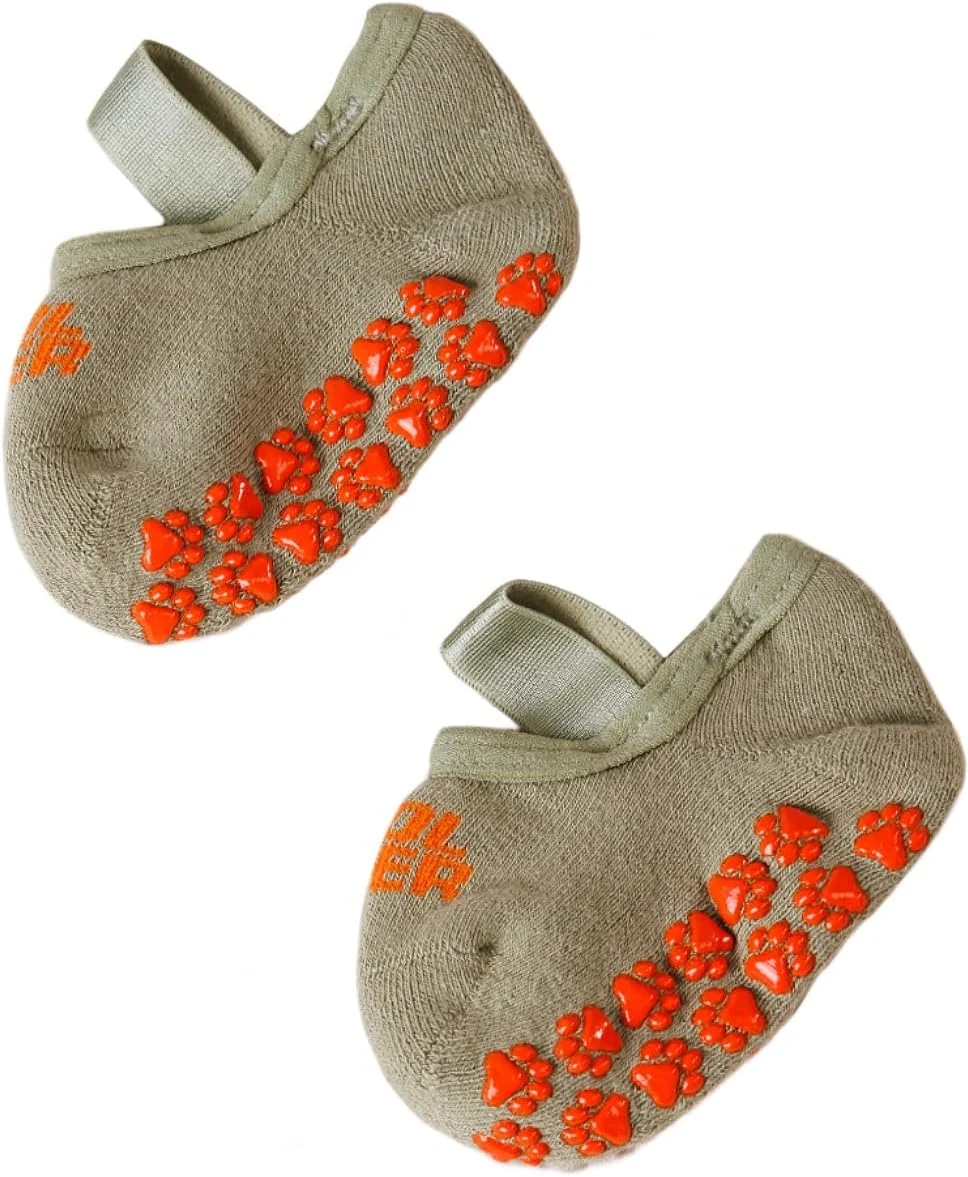 Best Under $15
HIP-GRIP Walking Socks (2 Pairs)
Grippy soles for indoor practice laps — the cheapest way to make hardwood floors safe.
$13.00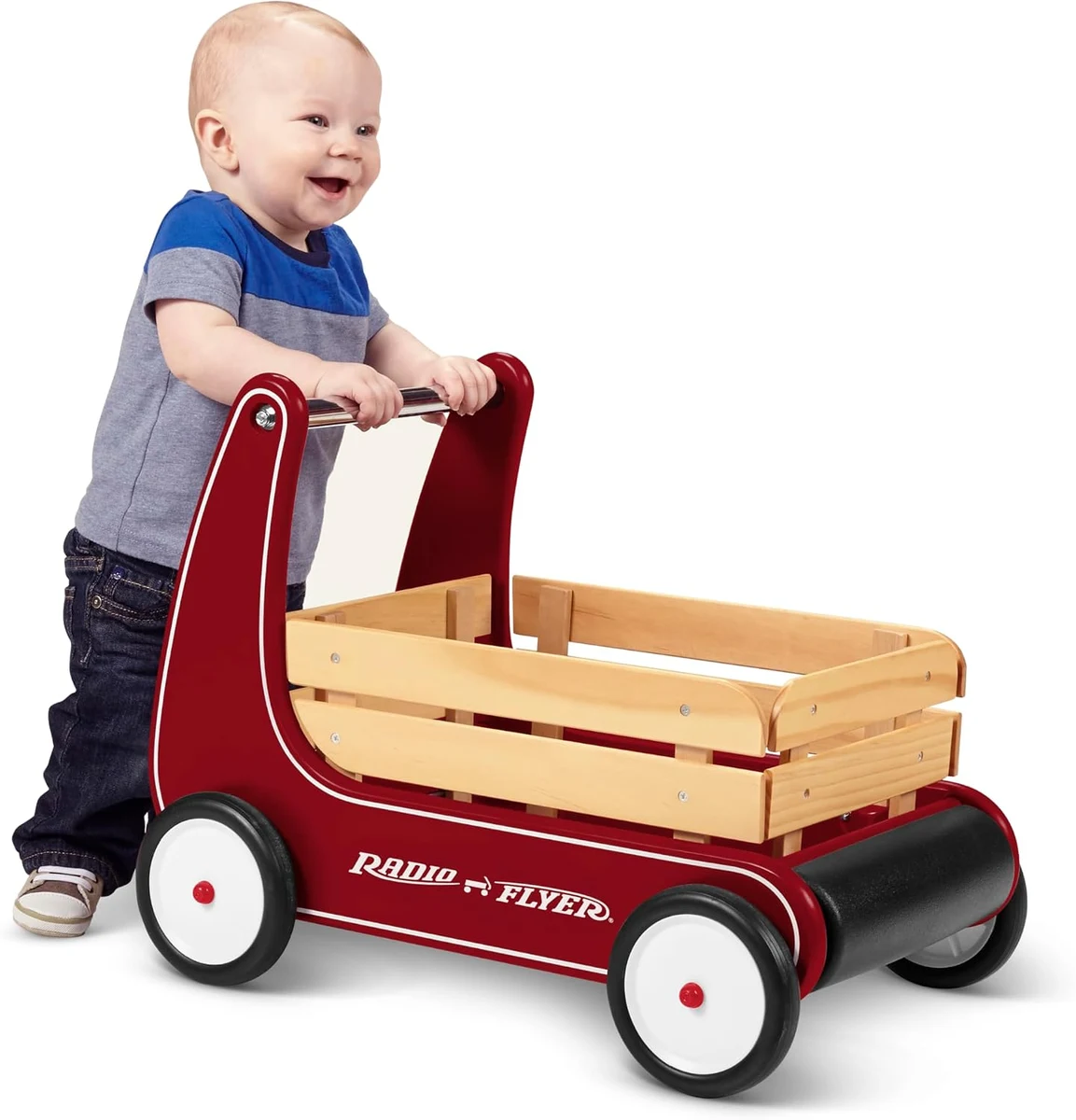 Best Walker Gift
Radio Flyer Classic Walker Wagon
Resistance clickers keep it from running away — the push toy that turns steps into laps.
$89.00Wide-Toe First-Walker Sneakers (Everyday)
A first-walker sneaker earns its keep outdoors and at daycare, where soft soles aren't enough. The five here all pass the two podiatrist tests — you can bend the sole in half and twist it slightly — and all run wide or come in wide sizing.
1. Stride Rite Soft Motion First Walker Sneakers


The default first-shoe recommendation from pediatric offices for a reason: rounded soles smooth out wobbly steps, memory-foam footbeds cushion flat little feet, and the line runs in medium, wide, and extra-wide. Reviewers consistently note the sturdy-yet-flexible balance is what separates Soft Motion from stiff lookalikes. Buyers like that styles like Kennedy and Artie share the same sole, so re-buying the next size is painless. Best overall because it's the most proven first-walker platform on the market.
- Rounded sole design built for brand-new walkers
- Comes in wide and extra-wide widths
- APMA Seal of Acceptance across the line
- The most common complaint is price for a shoe outgrown in months
- Runs slightly long — size on a measured foot
- Style selection rotates by season

2. See Kai Run Stevie Mini
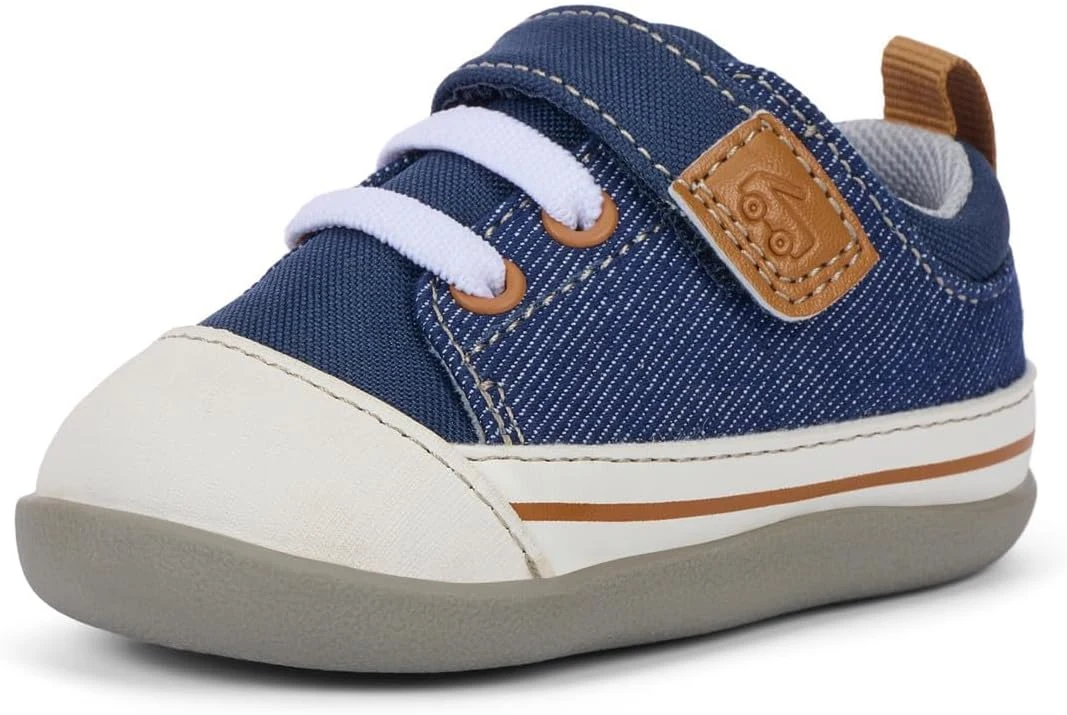
See Kai Run's first-walker sneaker is famous for one thing: a genuinely foot-shaped toe box that fits the chubby, wide feet other brands squeeze. Reviewers consistently call out the flexible traction sole that grips playground surfaces without fighting the foot's natural roll. Buyers like the wide velcro opening that makes wiggly-toddler shoe changes a one-hand job. Best for chunky feet because the fit is designed around them, not adapted to them.
- Roomy foot-shaped toe box fits wide feet
- Wide-opening velcro for fast changes
- APMA-accepted flexible sole
- The most common complaint is the premium price
- Runs roomy on narrow feet
- Denim colorways show dirt fast
3. New Balance 574 New-B Hook & Loop
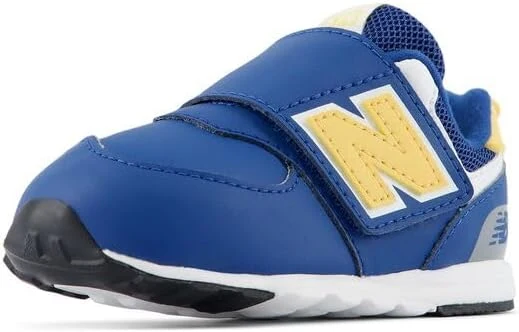

The mini 574 built specifically for first walkers: New Balance's New-B line softens the sole, widens the base, and swaps laces for a single hook-and-loop strap. Reviewers consistently mention that NB's infant widths are the rescue for kids already too wide for standard toddler shoes. Buyers love that it looks like the grown-up sneaker without walking like one. Best brand-name pick for wide feet because real width options are the whole New Balance advantage.
- First-walker version of an icon, with real width sizing
- Single-strap closure toddlers learn to work themselves
- Suede-and-mesh build holds up to daycare
- The most common complaint is a stiffer sole than barefoot-style brands
- Colorways sell through quickly in small sizes
- Runs long — check the size chart
4. Saucony Baby Jazz Hook & Loop Sneakers
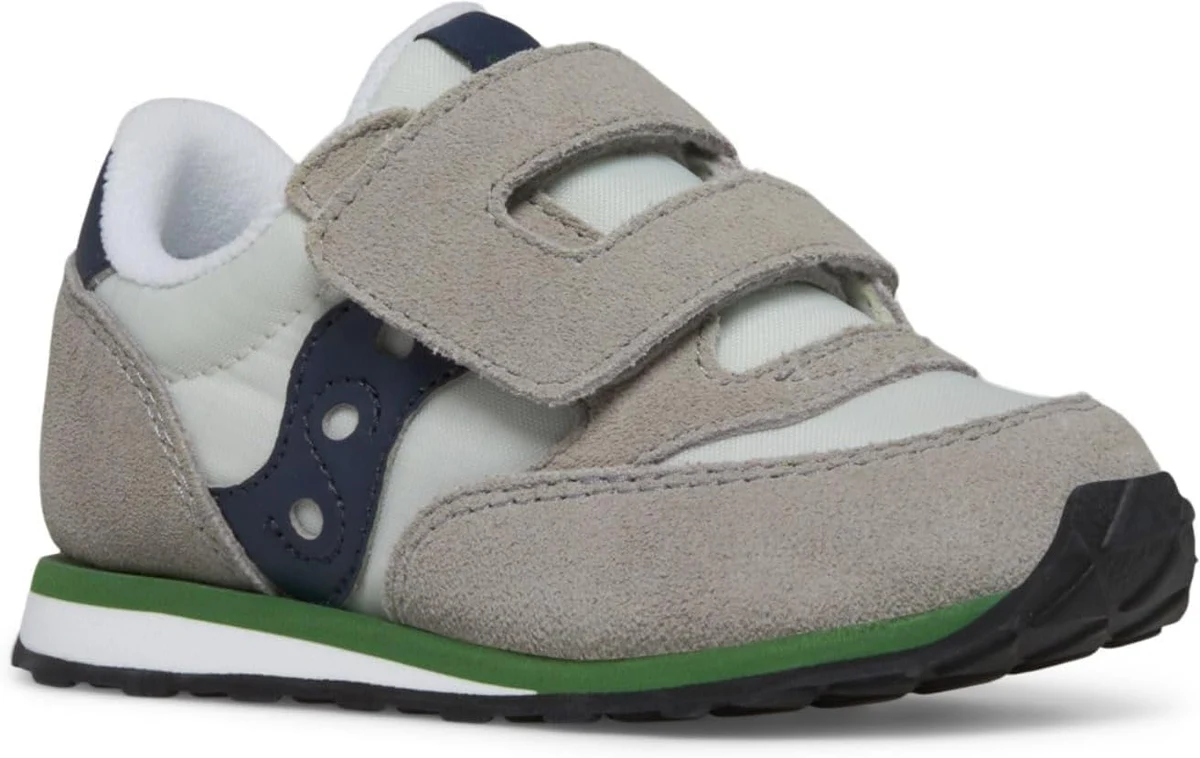

The retro Jazz shrunk to toddler scale, with an extended hook-and-loop strap Saucony designed to open extra wide for chubby insteps. Reviewers consistently praise how light it is — among the lightest true sneakers in this size range — which matters more for new walkers than any cushioning spec. Buyers note the suede toe holds up to crawling-to-walking transition kids who still drag their feet. Best lightweight sneaker because there's simply less shoe to lift with every step.
- Extremely light for a structured sneaker
- Extended strap opens wide for easy on-off
- Retro styling parents genuinely like
- The most common complaint is suede scuffing with heavy outdoor wear
- No extra-wide width option
- Sizing runs snug lengthwise
5. Ten Little Everyday Original
The shoe pediatric podiatrists helped design: zero-drop, fully flexible, with a wide foot-shaped toe box and an APMA Seal of Acceptance. Reviewers consistently rank Ten Little at the top of first-walker comparisons for combining barefoot-shoe science with a shoe that still looks like a sneaker. Buyers rave about the fit-check insole system that takes the guessing out of sizing. Best wide toe box because the entire brand exists for exactly this foot shape.
- Zero-drop, flexible, foot-shaped — the podiatrist checklist
- Fit-check insoles make remote sizing easy
- Wipeable vegan leather survives playground life
- The most common complaint is price versus mass-market brands
- Minimal cushioning by design — an adjustment from padded shoes
- Limited retail presence outside Amazon and the brand site
“consistently stood out for their style, independence-focused features, and long-term value” — My Subscription Addiction
Soft-Sole & Early-Step Shoes
For the cruising-to-first-steps window, pediatricians actually prefer barefoot — and soft-sole shoes are the closest legal equivalent for cold floors and quick outings. Everything here bends completely in half.
6. Bobux Xplorer Go Leather First-Walkers
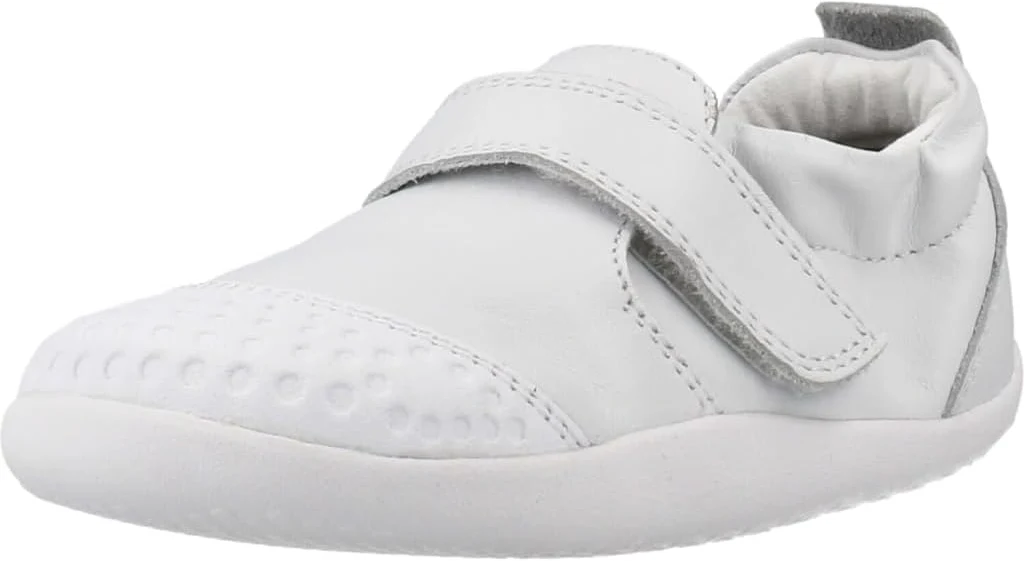
New Zealand's Bobux built the Xplorer line for the exact month steps begin: an ultra-flexible sole, a wide toe box, and leather soft enough to feel like a sock with structure. Reviewers consistently describe it as the bridge shoe — more protection than a mocc, less shoe than a sneaker. Buyers note the quality stitching outlasts the size. Best for the very first steps because it interferes with them the least.
- Podiatrist-designed flex sole for step one
- Soft leather with a roomy toe box
- Premium build quality that resells well
- The most common complaint is thin US retail stock
- Premium price for a short wear window
- White leather shows every adventure
7. pediped Flex Judy First Walker
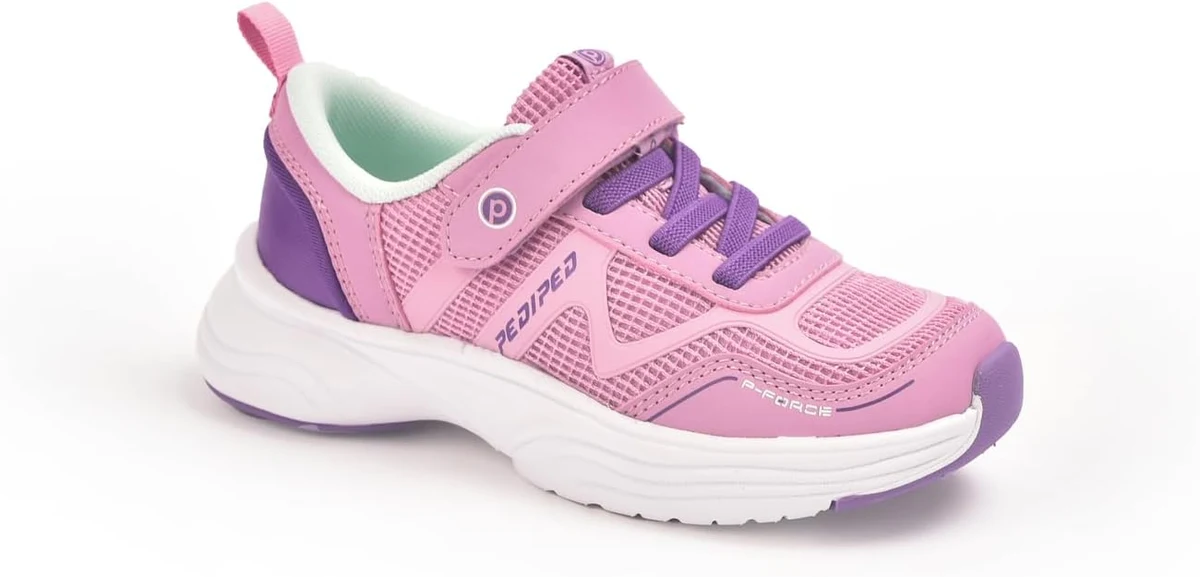
pediped's Flex line pairs a barefoot-friendly flexible sole with a slightly more structured upper, and includes the brand's signature extra insole for half-size adjustment. Reviewers consistently point to that two-size insole system as the money-saver — one pair effectively covers a growth spurt. Buyers describe the rounded toe box as reliably wide-foot friendly. Best for maximizing wear because the adjustable fit stretches the shortest shoe stage.
- Adjustable insole system spans two sizes
- Flexible sole with a wide rounded toe
- APMA-accepted design
- The most common complaint is limited stock per colorway
- Velcro strap is short for very high insteps
- Style skews traditional
8. Freshly Picked City Leather Moccasins
The Instagram-famous moccasin, and still the best-executed version of the soft-sole formula: one piece of buttery leather, an elastic ankle that actually keeps shoes on pre-walkers, and a sole thin enough for floor-feel. Reviewers consistently say they're the rare baby shoe that stays put through kicking and crawling. Buyers use them from crib through early steps. Best soft sole because the barefoot-development case and the stays-on-the-foot case both land here.
- Elastic ankle keeps them on wiggly feet
- Genuine leather that softens with wear
- Wide, unstructured fit suits chubby feet
- The most common complaint is smooth soles slip on hardwood until scuffed in
- Indoor-and-stroller shoes, not playground shoes
- Light colors stain
9. Carter's Every Step Charlie-P First Walkers
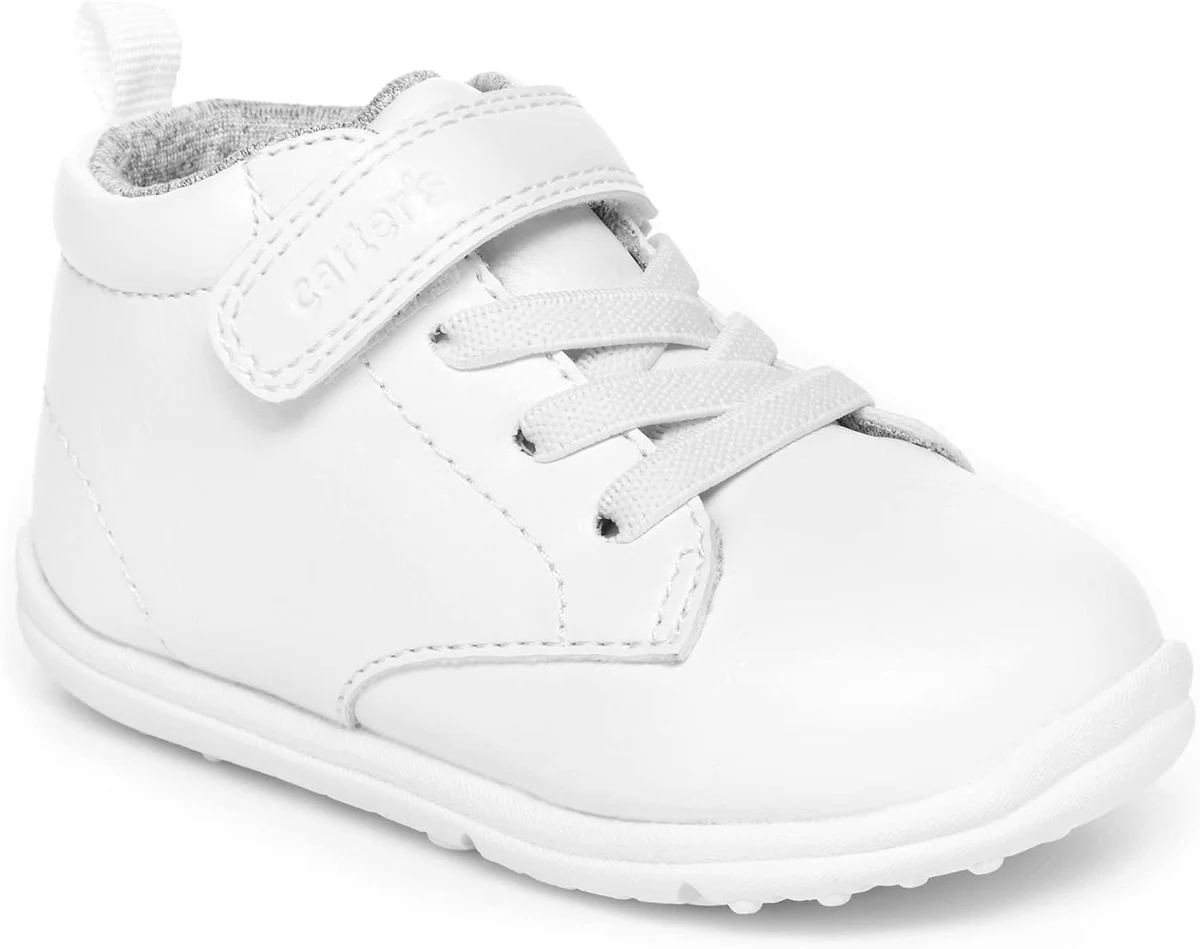

The budget line built for the transition stage: Carter's Every Step shoes come in crawling, standing, and walking versions, and Charlie-P is the classic white walking-stage pick. Reviewers consistently frame it the same way — you're paying a tenth of the boutique price for eighty percent of the function. Buyers keep a pair as the daycare backup that can get wrecked guilt-free. Best budget pick because outgrowing a $10 shoe in eight weeks doesn't hurt.
- Unbeatable price for a dedicated first walker
- Padded collar and flexible sole
- Easy to replace when outgrown or destroyed
- The most common complaint is durability matching the price
- No width options
- Synthetic materials breathe less than leather
10. STQ Kids Wide Toe Box First Walker Sneakers
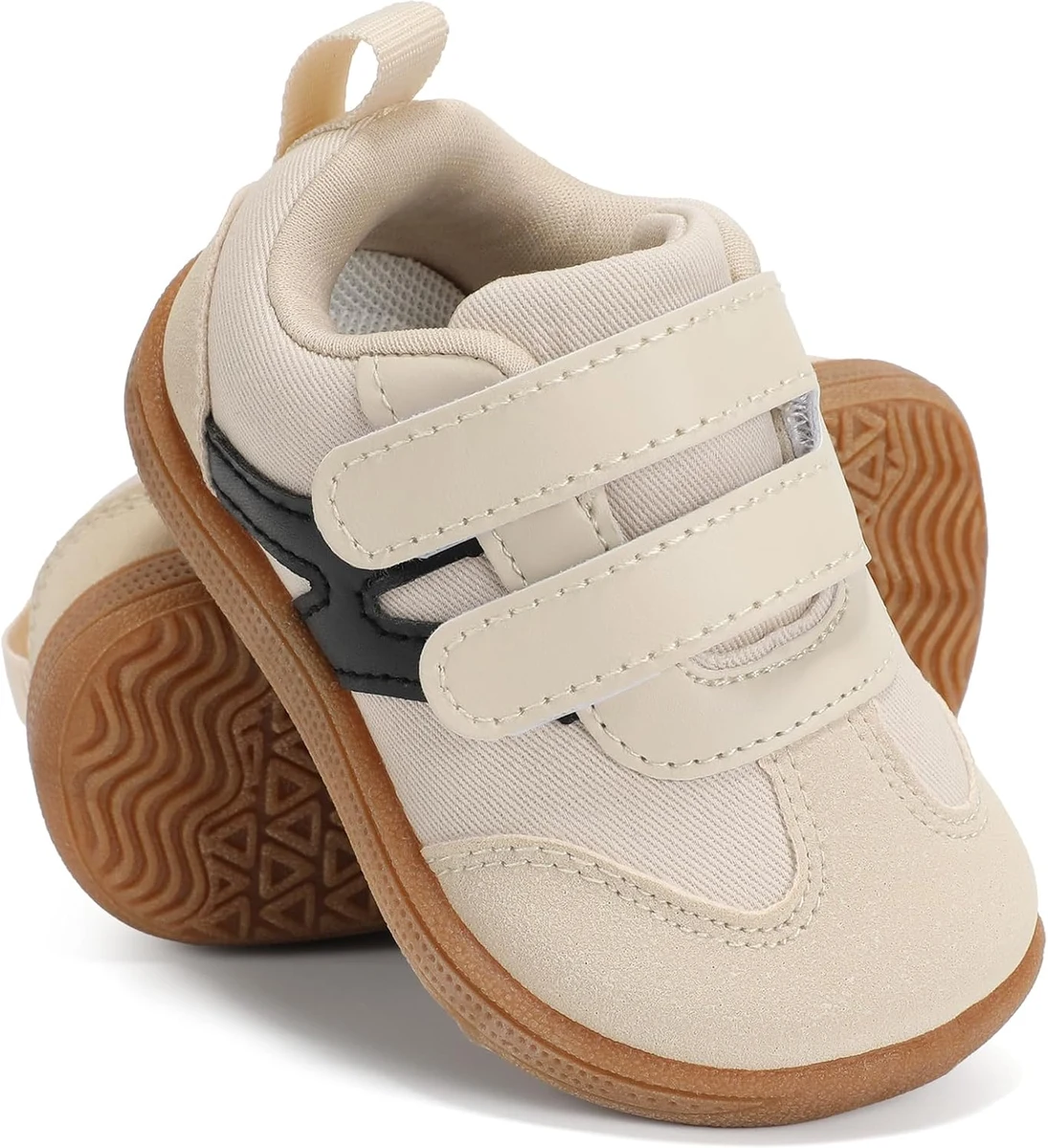
An Amazon-native barefoot-style sneaker with a zero-drop sole and an aggressively wide toe box, at half the price of the boutique barefoot brands. Reviewers consistently mention how packable and light they are — the mesh upper weighs almost nothing on a new walker's foot. Buyers with wide-footed kids call them the shoe that finally fit without a specialty order. Best barefoot-style value because the geometry matches $60 brands at a $26 price.
- Zero-drop, wide-toe geometry at a budget price
- Breathable mesh keeps sweaty feet comfortable
- Featherweight for tiny legs
- The most common complaint is thinner materials than name brands
- Minimal padding by design
- Sizing chart runs small — measure first
Sock-Shoes, Booties & Grippy Socks
Indoors, the cheapest gear does the most work: grippy socks and sock-shoes give bare-foot development with fall protection on hard floors. This is also the stage where you stop buying by age and start buying by measured foot.
11. HsdsBebe Cozy Fleece Booties
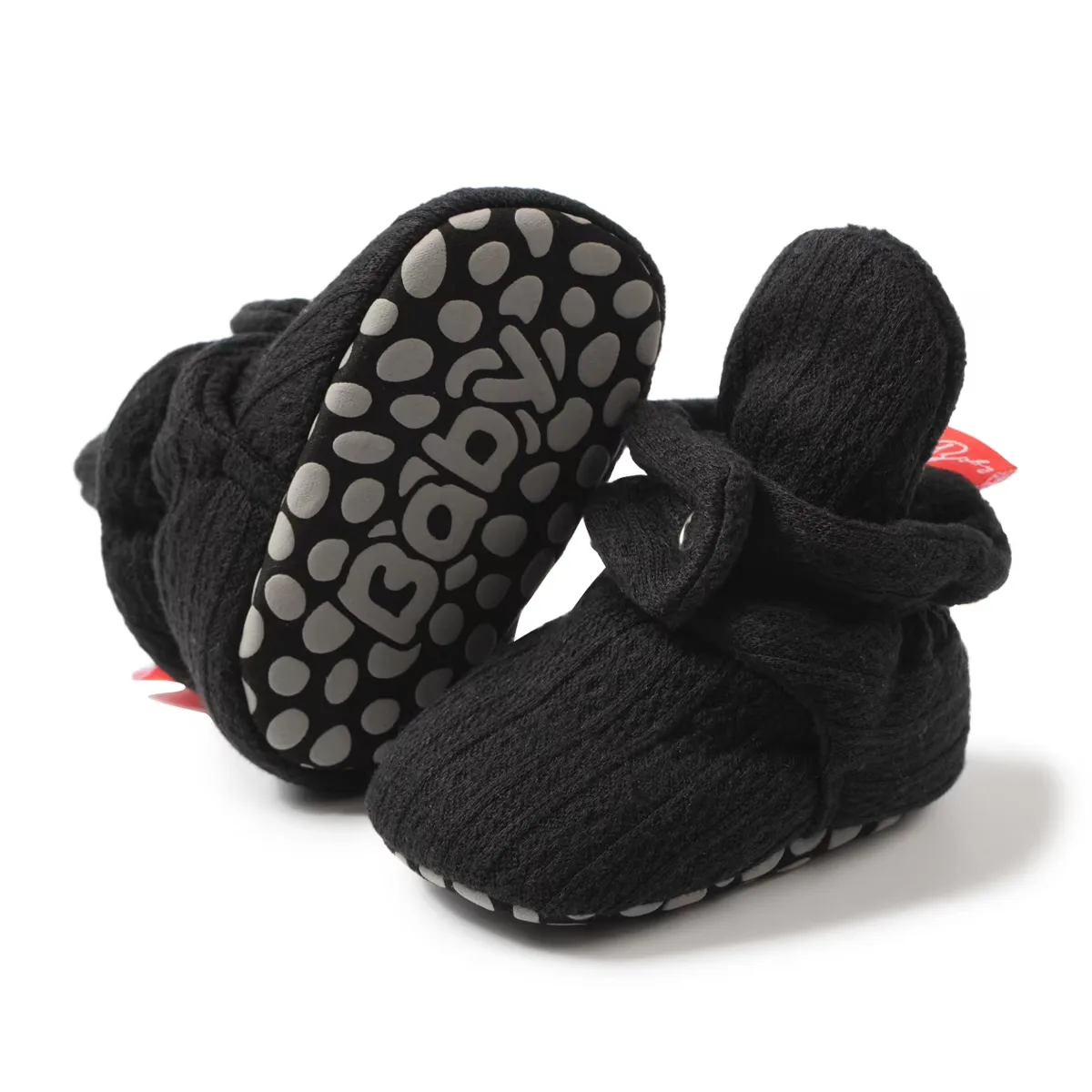
Knit booties with a full non-slip dotted sole, for the pre-walking and cruising months when feet need warmth more than structure. Reviewers consistently praise the adjustable snap strap — the detail that keeps these on kids who de-sock themselves for sport. Buyers like that the whole bootie goes in the wash. Best for winter cruisers because warm feet that can still feel the floor is exactly what this stage wants.
- Full-sole grip dots for hard floors
- Snap strap resists the sock-removal phase
- Machine washable
- The most common complaint is warmth — too much for summer
- Indoor use only
- Knit stretches with heavy wear
12. JOINFREE Toddler Barefoot Sock Shoes
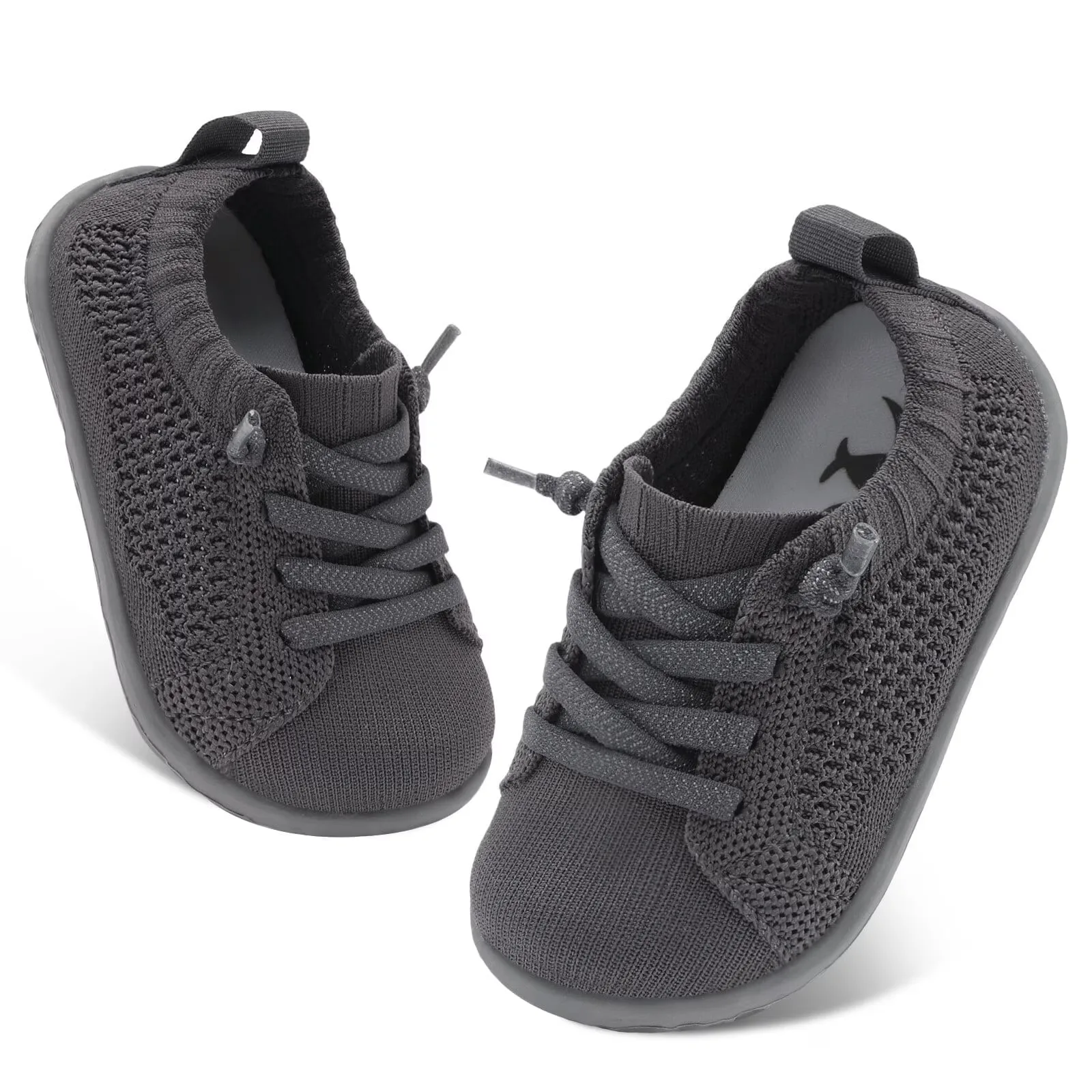
A knit sock-shoe hybrid: stretchy breathable upper, thin flexible rubber sole, and a wide barefoot-style fit that works indoors and survives quick trips outside. Reviewers consistently describe it as the daycare answer — schools require shoes, new walkers do better without them, and this splits the difference. Buyers like the pull-tab that lets almost-independent toddlers get them on alone. Best indoor-outdoor bridge because it's a sock to the child and a shoe to the daycare.
- Sock comfort with a real rubber sole
- Wide barefoot fit and elastic laces
- Pull-tabs support independent dressing
- The most common complaint is the knit soaks through in rain
- Thin sole wears with daily sidewalk use
- Loose knit collects sand and crumbs
13. Gerber Stretchy Knit Slip-On Sneakers
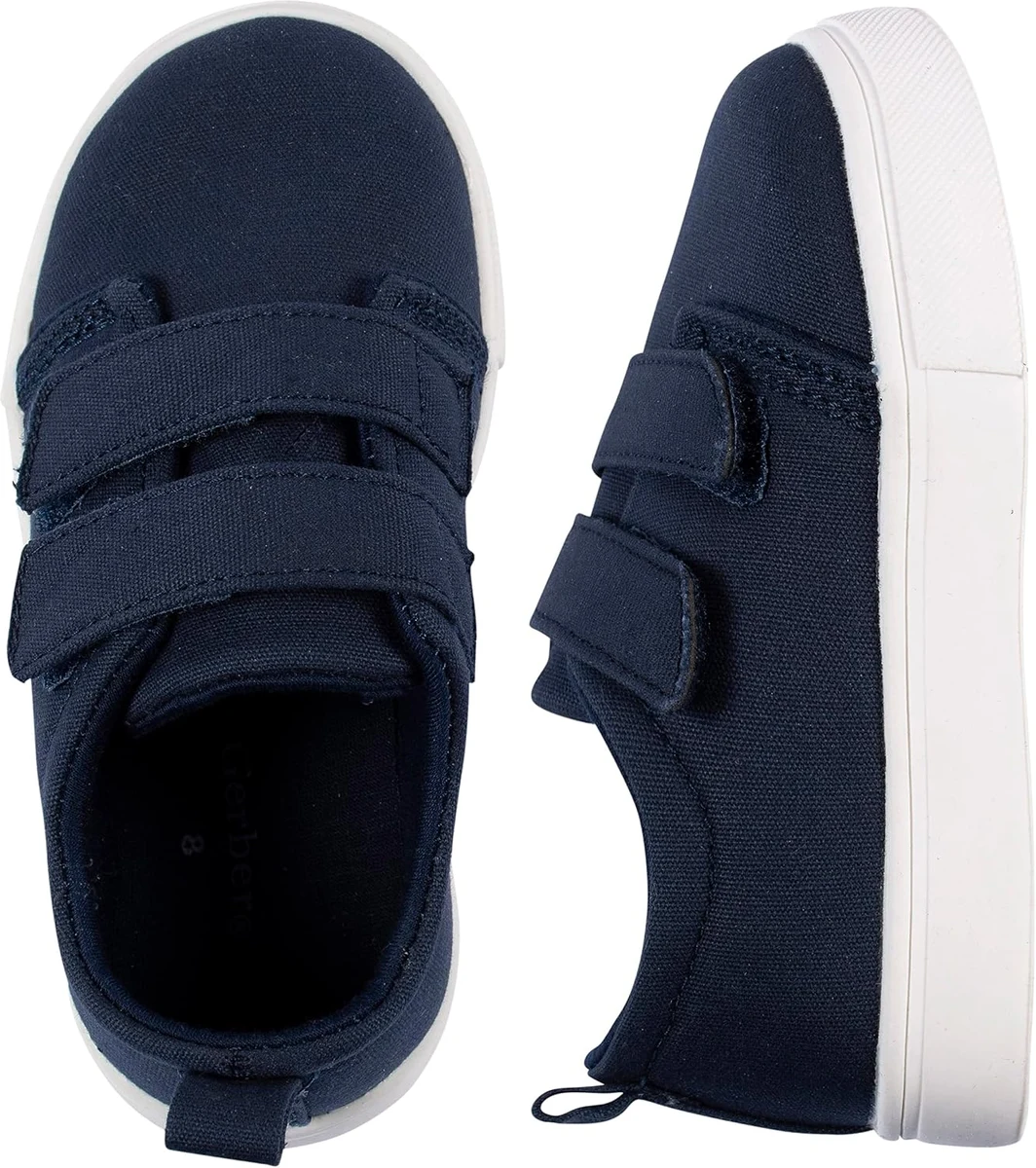

Gerber's knit slip-ons are the simplest version of the sock-shoe idea: a stretchy one-piece upper over a light flexible sole, cheap enough to buy in multiples. Reviewers consistently recommend sizing carefully — the stretch fit is forgiving in width but not in length. Buyers keep pairs in the diaper bag and the grandparents' house. Best grab-and-go because they slip on in two seconds and cost less than lunch.
- Two-second slip-on design
- Stretch knit accommodates wide feet
- Cheap enough for backup pairs everywhere
- The most common complaint is they slip off some foot shapes
- Minimal sole structure
- Run large — check measurements
14. HIP-GRIP Non-Slip Walking Socks (2 Pairs)
Premium grippy socks with full-coverage silicone soles, sold as a two-pair gift-boxed set. Reviewers consistently make the same point pediatric PTs make: for indoor practice, a grippy sock beats any shoe because the foot works exactly as designed with just enough traction to prevent hardwood wipeouts. Buyers like the stay-on cuff that survives the sock-pulling phase. Best under $15 because it's the highest development-per-dollar purchase on this list.
- Full-sole grip for slippery floors
- Barefoot mechanics with fall protection
- Gift-boxed two-pack
- The most common complaint is grip dots wearing with machine drying
- Indoor only
- Pricier than plain multipack socks
Easy-On Everyday Favorites
Once walking sticks, the daily battle moves to getting shoes on a toddler with opinions. These three win that battle in different ways — slip-on speed, a high-top that stays put, and a squeaker that makes kids want their shoes.
15. See Kai Run Ryder High-Top FlexiRun
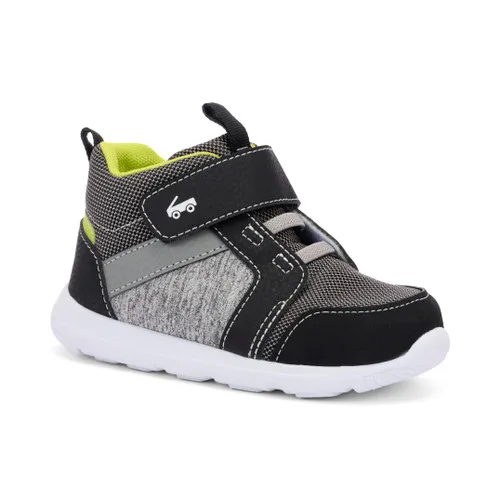

A high-top first walker on See Kai Run's ultra-flexible FlexiRun sole, for ankle-height support that doesn't stiffen the shoe. Reviewers consistently choose high-tops for kids who step out of low shoes or have narrow heels in wide forefeet — the classic wide-foot fitting problem. Buyers note the velcro-plus-elastic-lace combo stays put through climbing. Best high-top because it adds hold exactly where wide-footed kids lose it.
- High-top hold without sole stiffness
- Solves the wide-forefoot narrow-heel fit problem
- Velcro entry stays toddler-manageable
- The most common complaint is popular sizes selling out at the brand store
- Warmer than low-tops in summer
- Slightly slower on-off than slip-ons
16. Native Shoes Jefferson (Toddler)
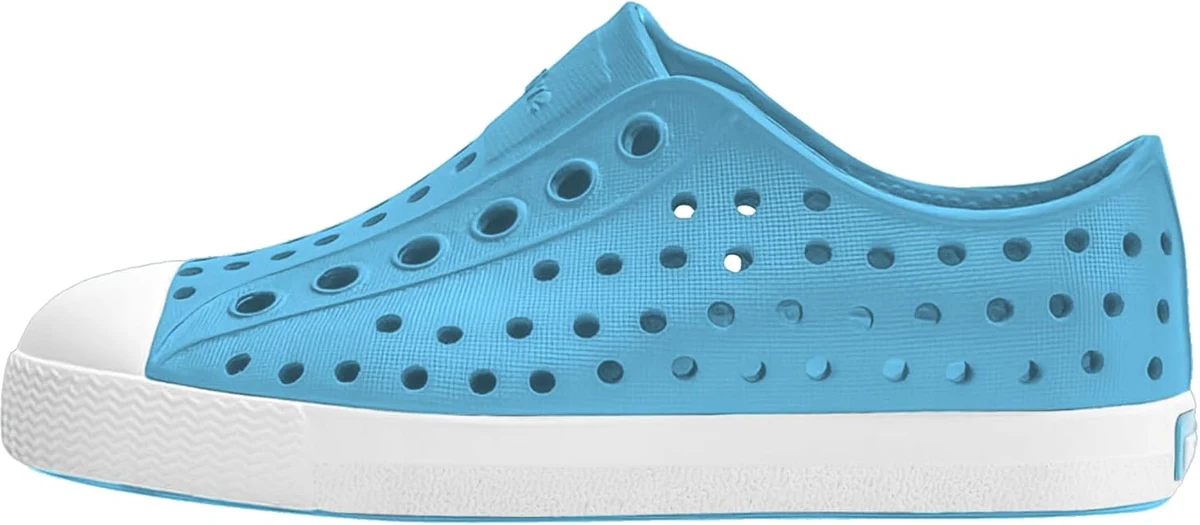
The perforated EVA slip-on that became the unofficial toddler summer uniform: hand-washable, water-friendly, and light enough that new walkers forget they're wearing shoes. Reviewers consistently flag the wide, boxy fit as a bonus for chunky feet. Buyers love that sprinkler-park-sandbox days end with a rinse in the sink. Best slip-on because it removes both the shoe fight and the cleanup.
- Featherweight and fully washable
- Roomy fit suits wide feet
- Water-park to playground versatility
- The most common complaint is no breathability in cold weather — a summer shoe
- EVA sole offers little arch structure
- Sizing runs big
17. ikiki Squeaky Shoes for Toddlers
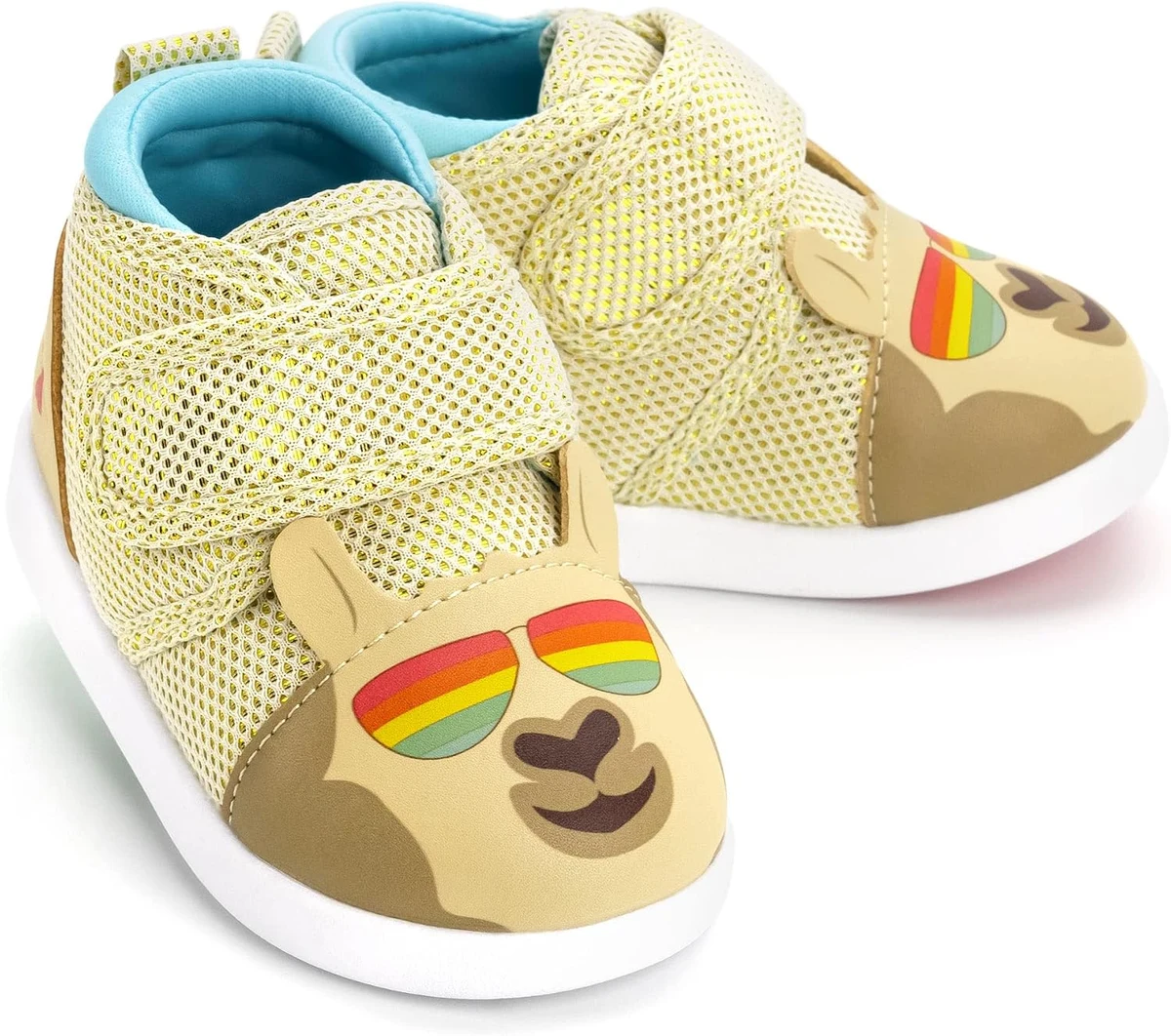
The viral squeaky shoe with a purpose: the heel squeaker only sounds on a proper heel-to-toe step, which nudges toe-walkers into a correct gait — and there's an on/off switch for restaurants. Reviewers consistently report kids asking to wear them, which solves the daily shoe battle outright. Buyers confirm the squeak-off switch is the sanity feature. Best motivation tool because it turns walking practice into the fun part of the day.
- Squeaker rewards heel-to-toe walking
- On/off switch for quiet places
- Wide fit with adjustable strap
- The most common complaint is the squeak, obviously — from everyone nearby
- Novelty styling isn't for every wardrobe
- Popular characters sell out
Giftable Extras for New Walkers
Shoes aside, three gifts genuinely help the walking stage: something to push, something to motivate laps, and something to occupy the newly mobile. These are the ones parents actually keep.
18. VTech Sit-to-Stand Learning Walker
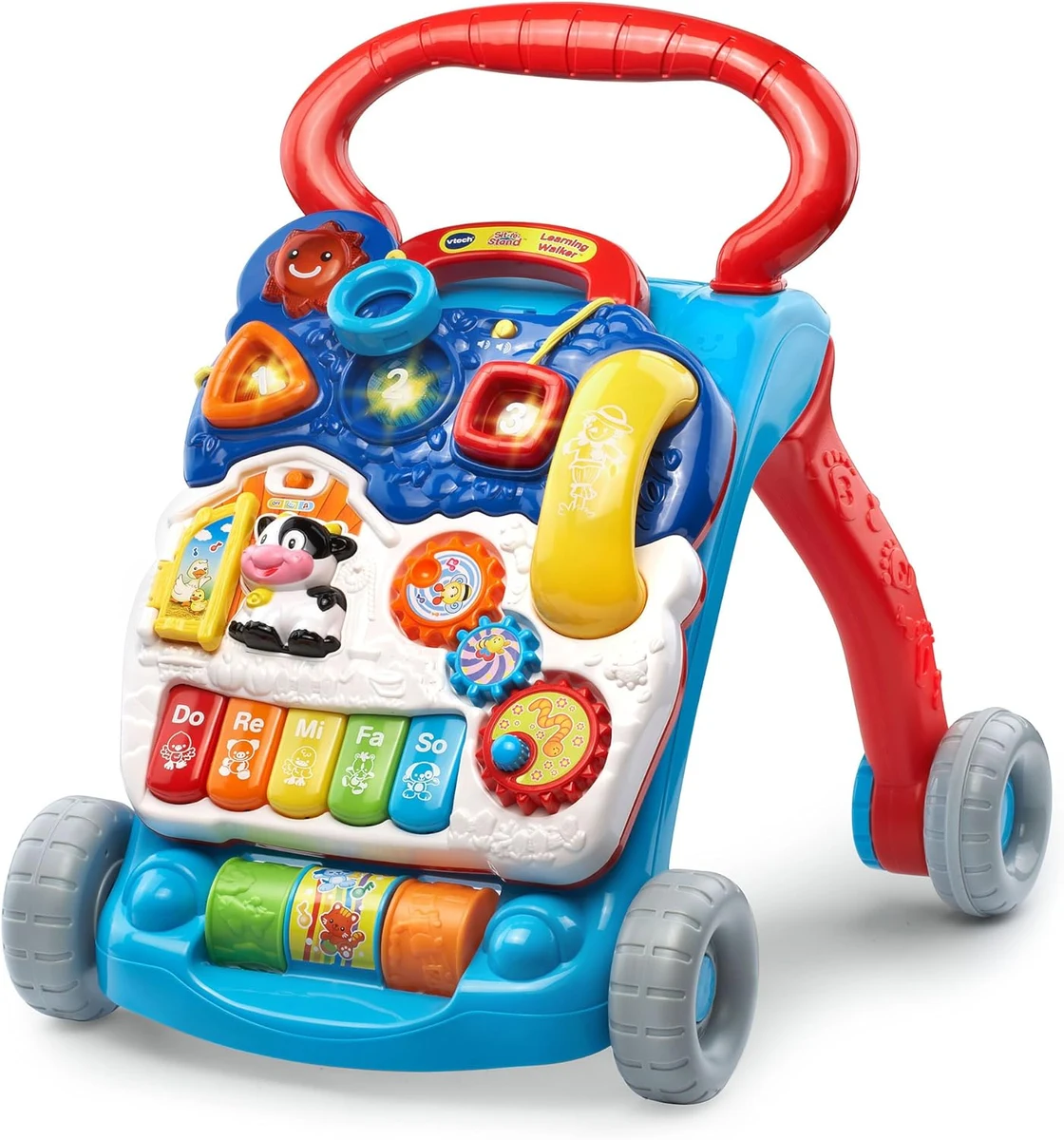
The best-selling push walker in America, with a detachable activity panel that starts as floor play and graduates to supported cruising. Reviewers consistently credit the two-speed wheel switch — slower on hard floors — for making it usable on every surface. Buyers report it surviving multiple kids and a decade of basements. Best first push toy because it meets babies before the first step and walks them through it.
- Adjustable wheel speed for wood vs carpet
- Detachable activity panel for floor play
- Proven favorite at an accessible price
- The most common complaint is the songs living rent-free in parents' heads
- Light frame can tip on very fast pushers
- Plastic look, if aesthetics matter
19. Toniebox 2 Starter Set
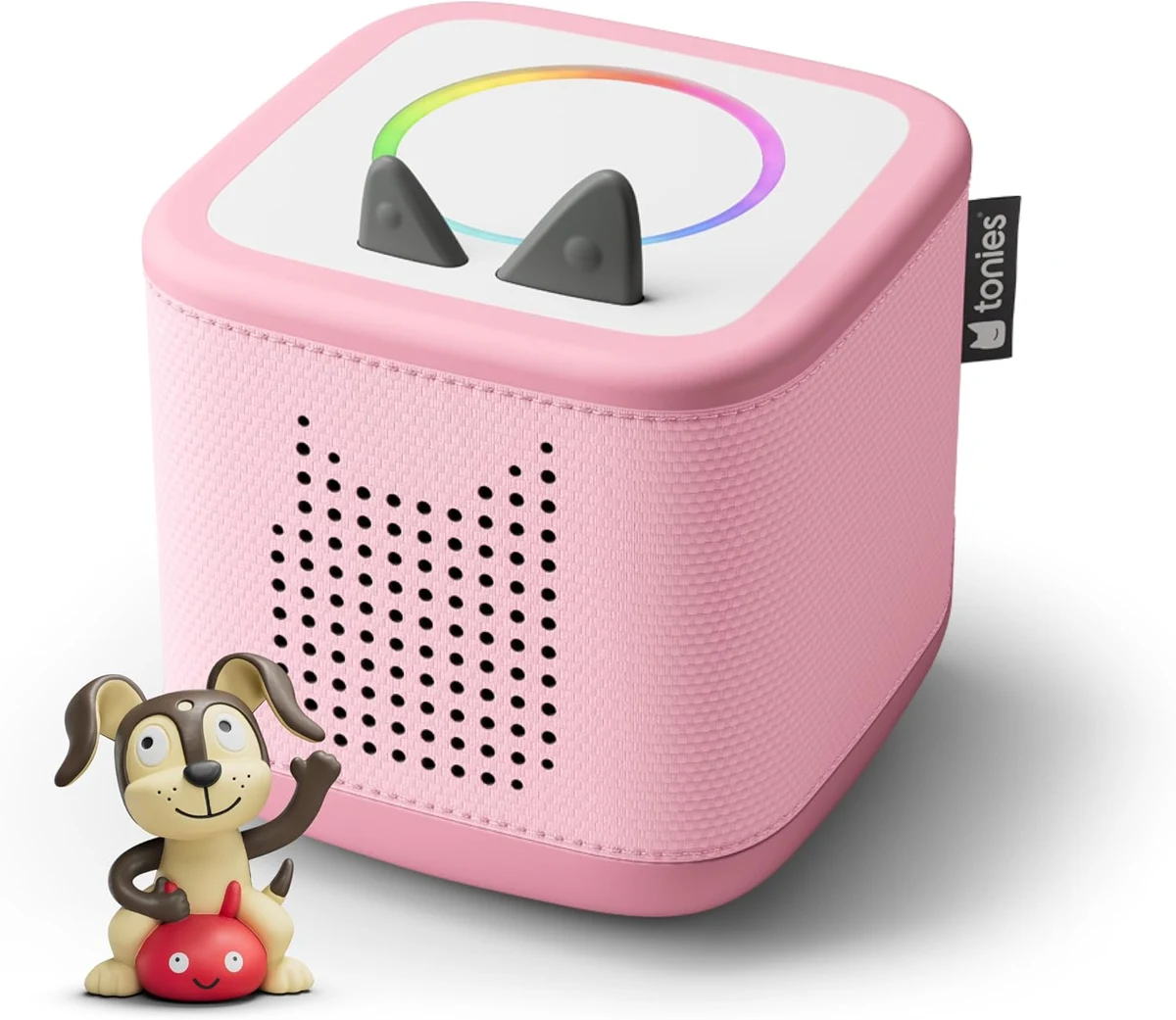

The screen-free audio box, now in its second generation with better sound, USB-C, and interactive Tonieplay games — controlled by placing figurines on top, which newly-walking toddlers can do themselves. Reviewers consistently call the Toniebox 2 a meaningful upgrade, and it gives a mobile toddler an independent activity that isn't a screen. Buyers note figurines become the gift everyone else can buy. Best non-shoe gift because it grows from first steps to early readers.
- Screen-free and fully toddler-operable
- Improved speaker and battery over gen one
- Huge figurine library extends the gift for years
- The most common complaint is figurine cost adding up
- Premium starter price
- Wi-Fi setup required for first use

20. Radio Flyer Classic Walker Wagon
The heirloom-grade push wagon: a wooden body, a furniture-protecting front bumper, and resistance clickers in the wheels so it can't run away from a wobbly new walker. Reviewers consistently rank it above plastic walkers for stability — the weight is the feature. Buyers note it converts to a toy-hauling wagon for years after the walking stage. Best walker gift because it's the push toy that outlives the milestone.
- Resistance clickers control rolling speed
- Stable wooden build won't tip
- Bumper spares walls and furniture
- The most common complaint is assembly time
- Heavier to move between floors
- Costs more than plastic push walkers
Ready to Share Your Wishlist
First shoes get outgrown in eight to twelve weeks, which makes them the perfect thing to keep on a running list instead of buying in a panic. Save the pairs that fit your kid's foot shape to a WishDeck wishlist, note the current size in the item note, and share the link with family — they can reserve the next size up or one of the walker gifts, and nothing gets bought twice. Set it up in the WishDeck wishlist app.
Frequently Asked Questions
Popular Reads
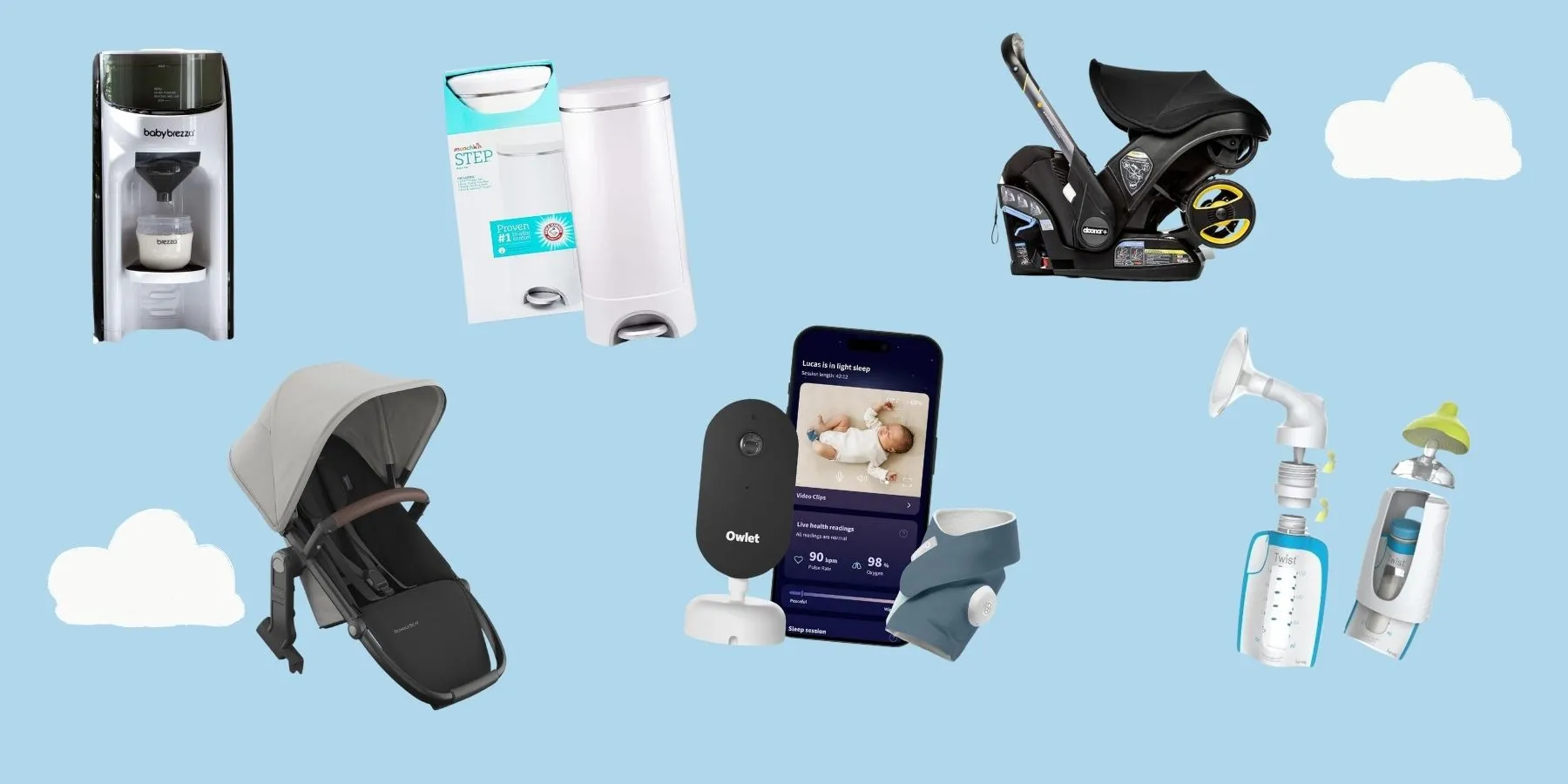
- 14 Must-Have Baby Products & Gear for 2026 (Registry-Tested)
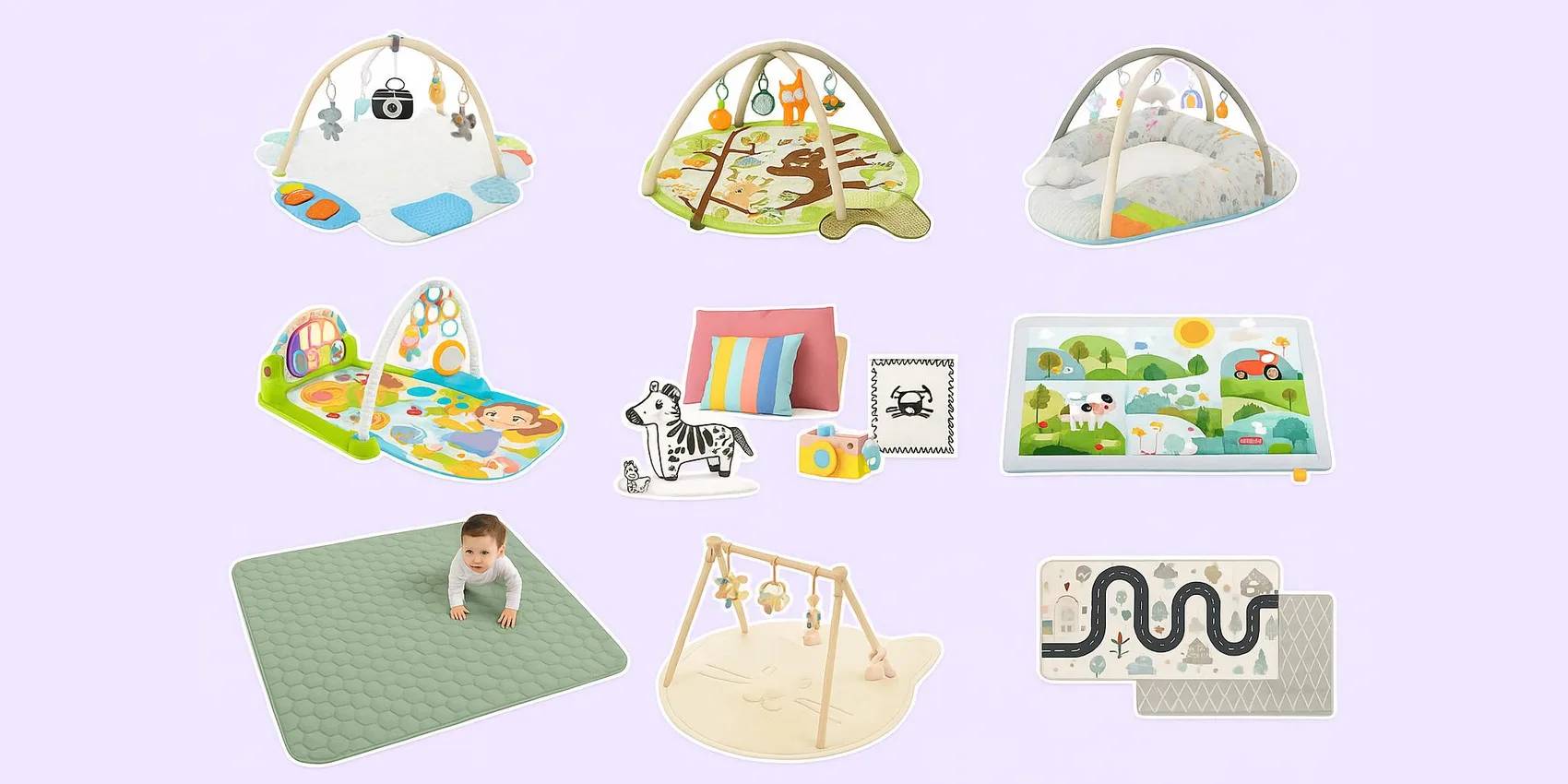
- Best Baby Play Gyms & Play Mats: Tummy Time, Montessori & Washable Picks (2026)
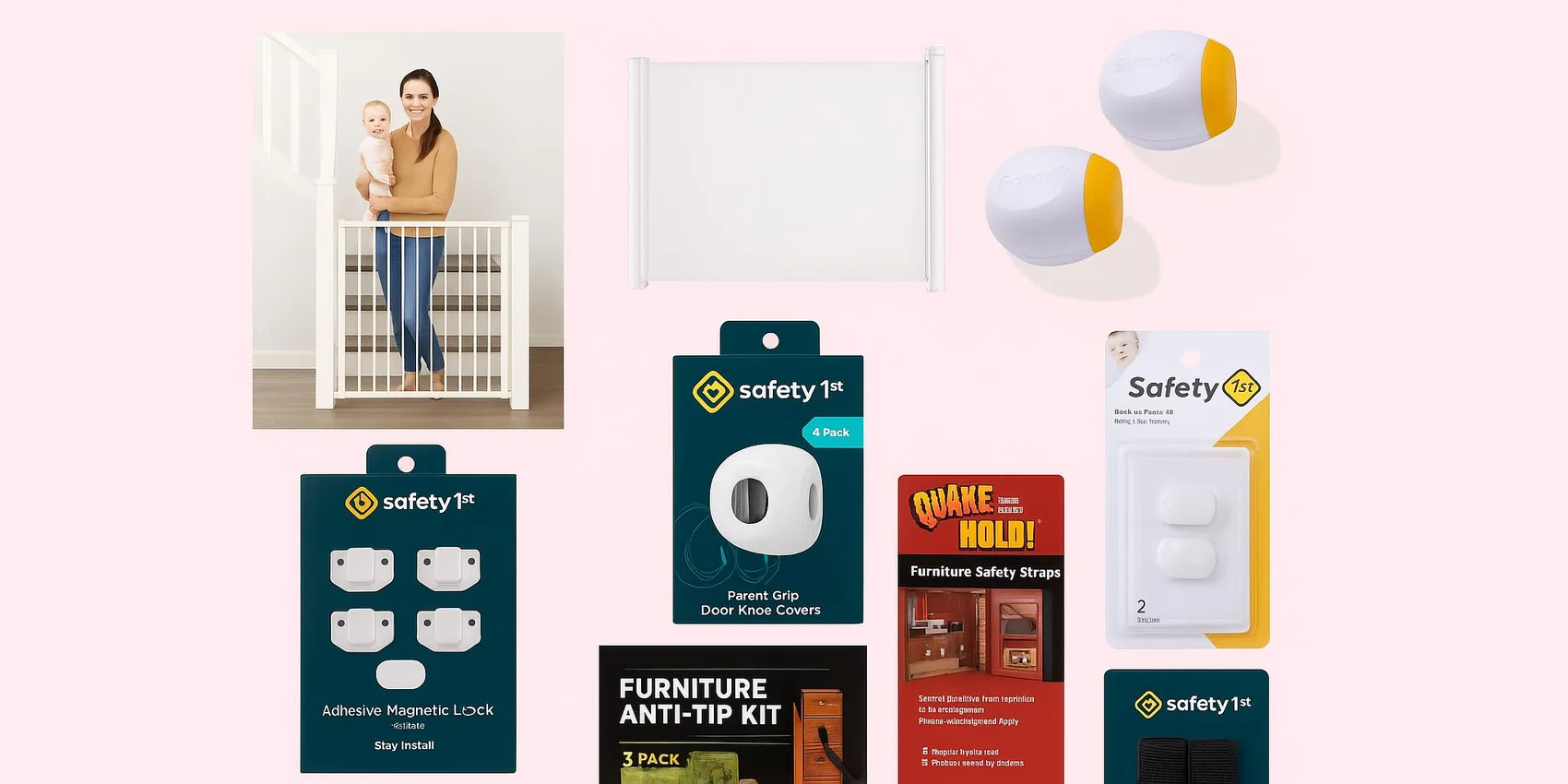
- Best Baby Safety Products 2026: Babyproofing Essentials That Actually Work
- 15 Newborn Essentials Checklist 2026 (only what you'll use week 1–4)
- Best Montessori Toys for Fine Motor Skills (2026): Toddler-Approved Picks
Looking for more insights? Explore related topics: 14 Must-Have Baby Products (2026), Best Baby Play Gyms & Mats (2026), Best Baby Safety Products 2026 or find more on our Blog.