
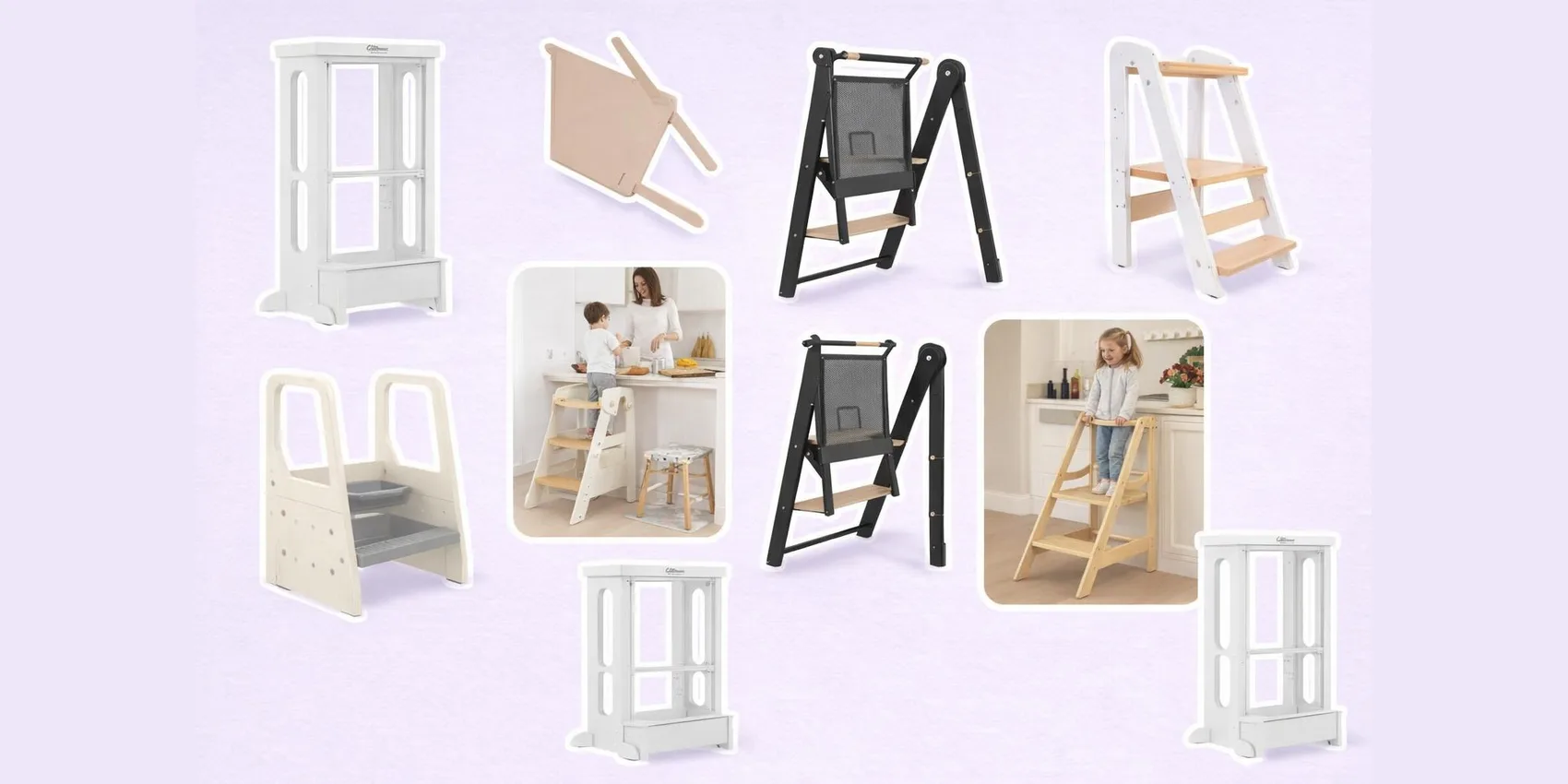
 Best Learning Towers for Toddlers (2026)
Best Learning Towers for Toddlers: Foldable, Space-Saving & Montessori (2026)
The best learning towers for toddlers in 2026 are foldable space-savers, Montessori-style wooden classics, and convertible tower-to-table designs that bring little helpers safely up to counter height. This guide sorts 16 picks into five lanes by footprint and budget — from a $45 activity stand to a $249 design piece — with honest safety notes in a year when several tower brands issued recalls.
Outfitting the rest of toddler life too? See our guides to Montessori toys for toddlers, gifts for 2-year-olds, and high chairs for small spaces.
Add-on magic: Found the right tower? Save it to a WishDeck wishlist with the finish and color you want, compare what it costs at Amazon, Target, Babylist and the brand's own shop, and share the list so grandparents reserve the gift instead of guessing.
Table of Contents
1. Foldable & Space-Saving Learning Towers
2. Montessori-Inspired Wooden Classics
3. Convertible & Multi-Use Helpers
4. Easy-Clean, Modern & Design-Forward Options
Our Top 5 Picks
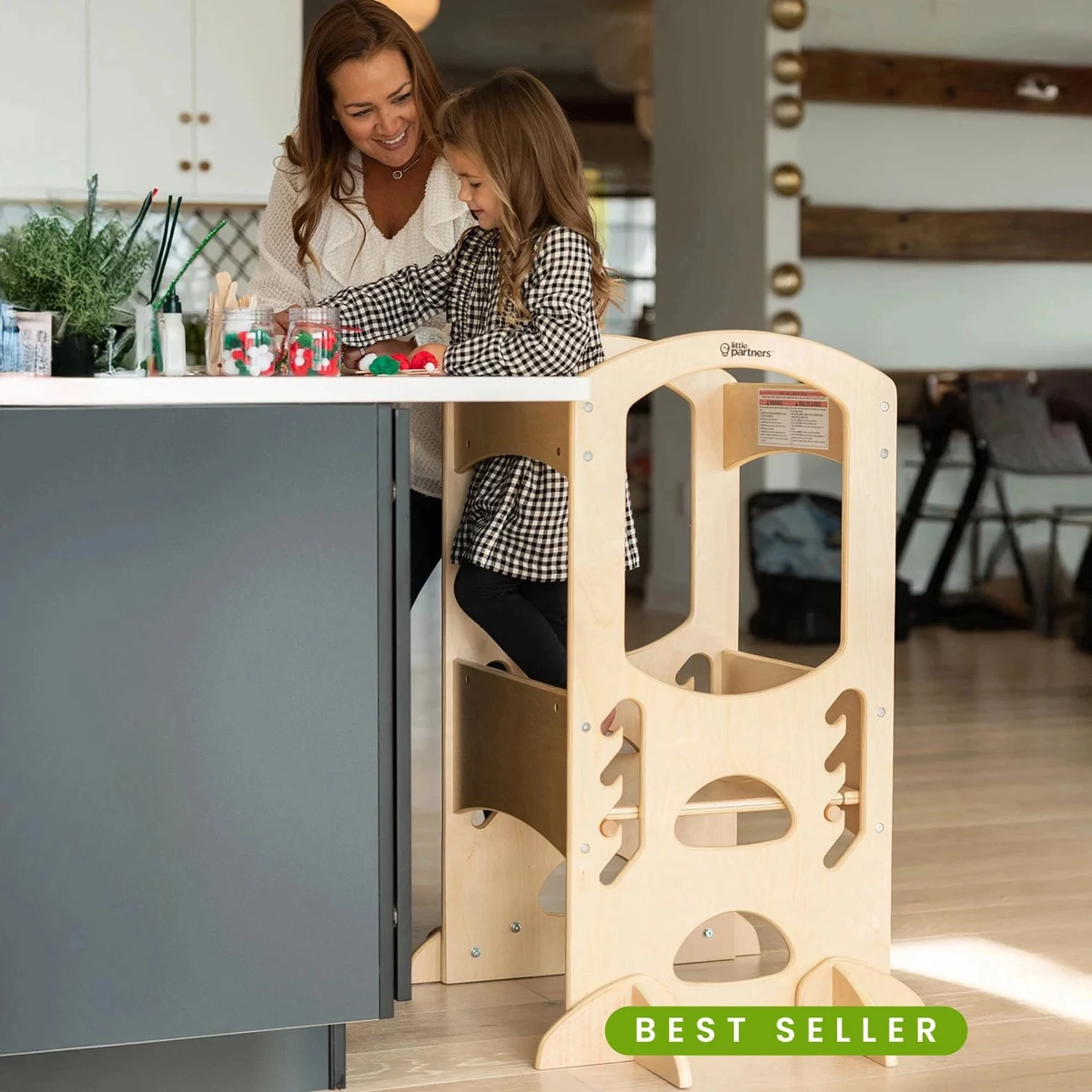 Best Classic
Little Partners Learning Tower
The furniture-like original that families keep out for daily cooking and sink routines.
$160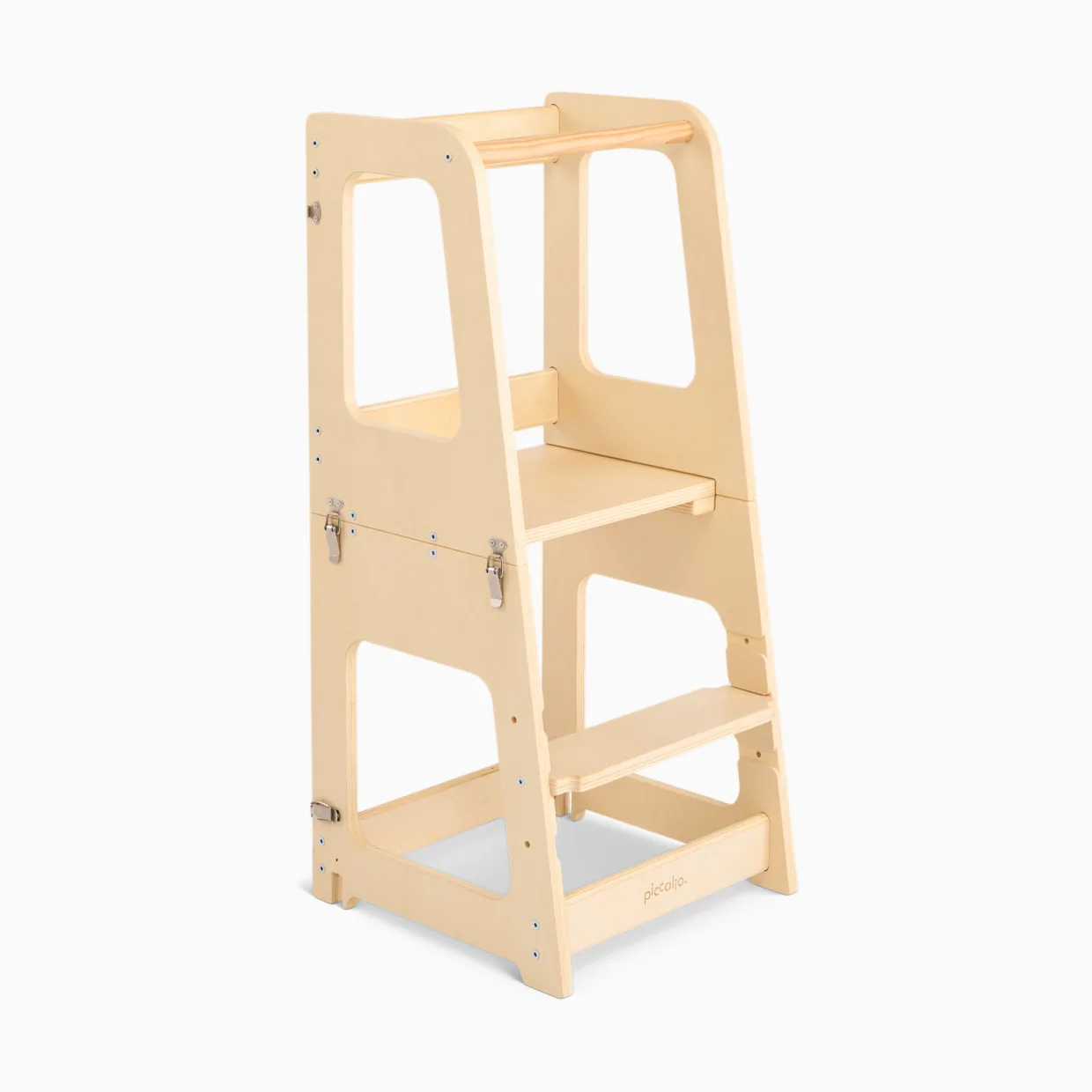 Best Convertible
Piccalio Mini Chef Convertible
Flips from counter helper to toddler table — one buy instead of two pieces of furniture.
$209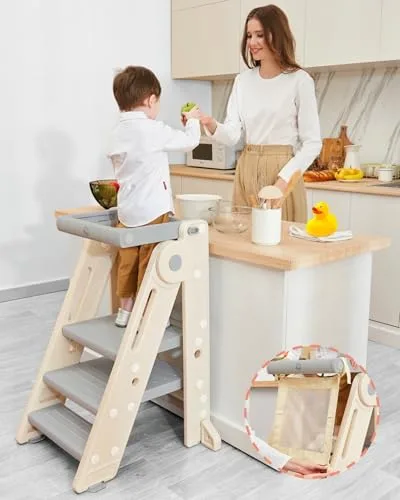 Best Foldable
Forbena Foldable Toddler Tower
Folds flat for small kitchens without the premium-tower price tag.
$88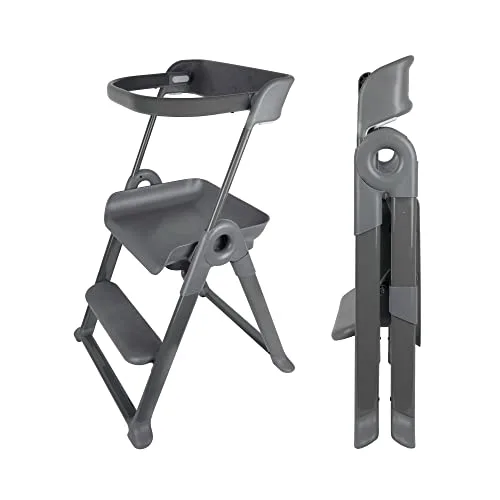 Best Modern
Boon PIVOT Toddler Tower
Sleek, wipe-clean design that fits contemporary kitchens and messy little chefs.
$148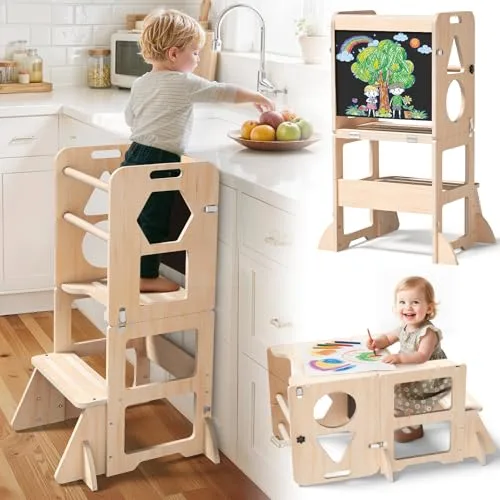 Best Under $70
Woodure 4-in-1 Step Stool
A flexible multi-use helper that covers sink and counter moments on a budget.
$65Foldable & Space-Saving Learning Towers
If your kitchen is tight or you hate visual clutter, foldable designs make it easier to keep a helper tower without dedicating permanent floor space. One 2026 caveat: folding mechanisms were behind several recent tower recalls, so stick to models in good standing and re-check the hinges and platform locks regularly.
1. Piccalio Mini Chef Foldable Helper Tower
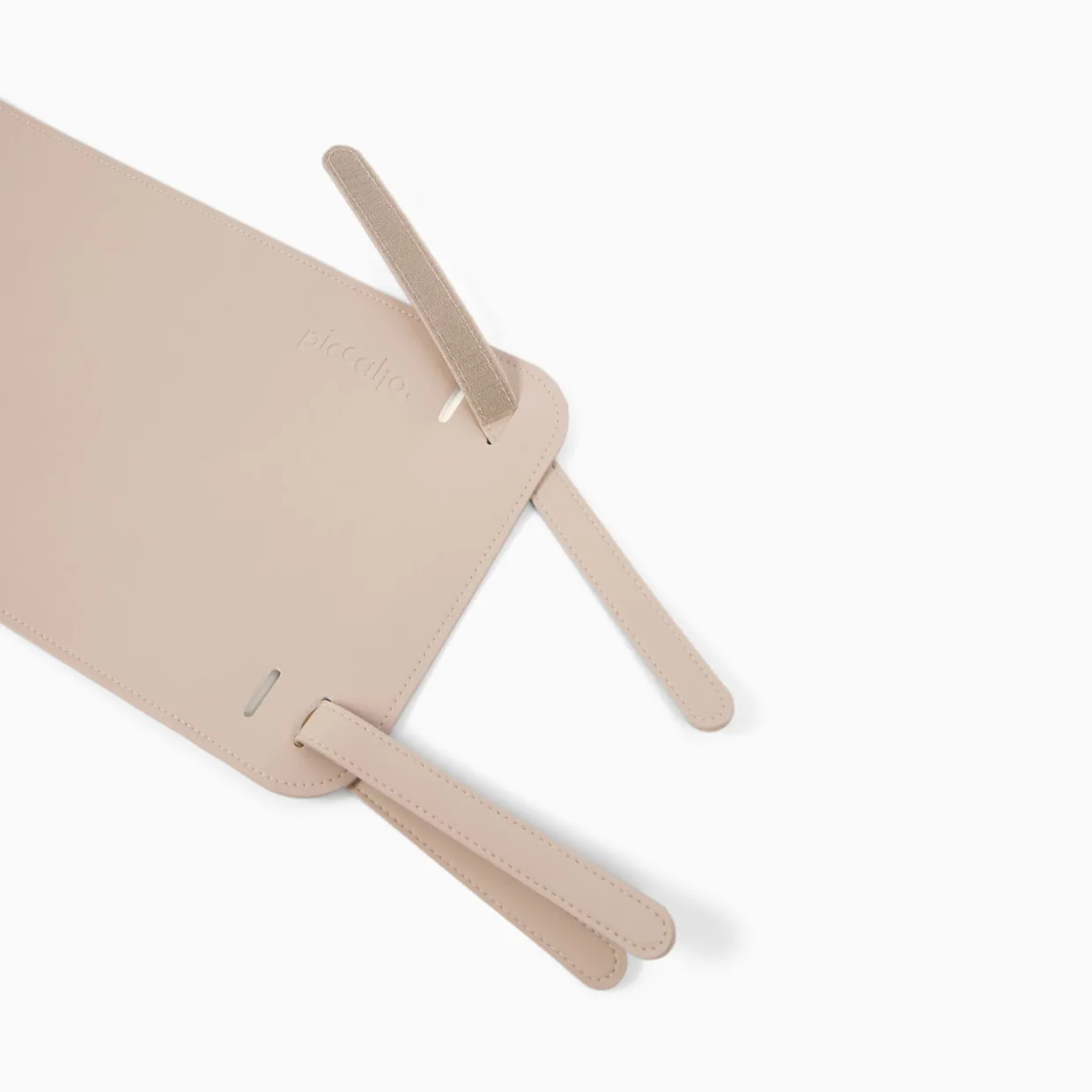

A foldable helper tower aimed at parents who want a cleaner look and a quick way to tuck the tower away after mealtime. Across buyer feedback, the fold-flat idea is the headline feature, and reviewers often mention it helps keep kitchens feeling less crowded. People also point out that it's a popular choice for Montessori-style "help me help myself" routines. Best for busy families because it supports everyday independence without staying out all day.
- Foldable design helps reclaim floor space
- Fits well into daily "kitchen helper" routines
- Good pick for minimal, tidy kitchens
- The most common complaint is that foldable models can feel less "set-and-forget" than fixed towers
- May require a bit of practice to fold smoothly and safely
- Not the cheapest route if you just need occasional use
2. HARPPA Nordi Foldable Toddler Kitchen Tower
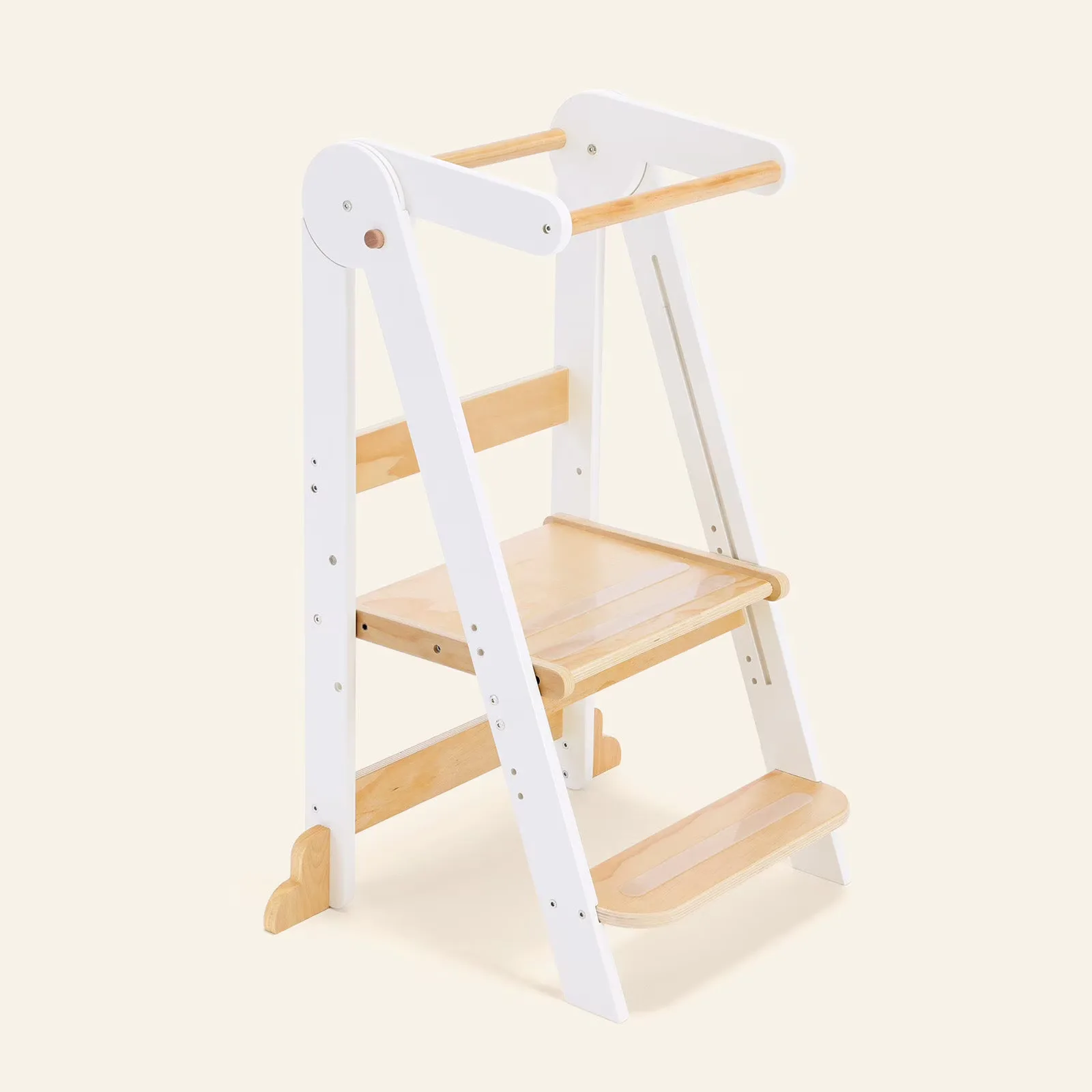


A foldable toddler kitchen tower designed for households that want a wood look but need easier storage. Buyers consistently report choosing it for the combination of a more classic aesthetic and fold-away practicality. Reviewers note it's a helpful way to let toddlers participate in cooking and cleaning while keeping the tower out of the way afterward. Best for compact homes because it aims to balance style with storage.
- Foldable for easier stowing between meals
- Wood-style look blends into many kitchens
- Supports independent "helping" at counter height
- The most common complaint is that folding joints can add wobble compared with non-folding towers
- May take up closet space even when folded
- Assembly can be a patience test for some buyers
3. Forbena Foldable Toddler Tower


A foldable toddler tower that targets families who want the learning-tower experience without going to the top end of the price range. Reviewers often highlight the space-saving angle and the convenience of pulling it out for quick tasks like rinsing fruit or "helping" with batter. Buyers consistently mention it as a practical choice for everyday use when storage matters. Best for budget-minded shoppers because it brings foldability at a more approachable cost.
- Foldable footprint is helpful for smaller kitchens
- Generally positioned as a more affordable tower option
- Good for quick, frequent tasks at the counter
- The most common complaint is that long-term sturdiness can vary on more budget-friendly foldables
- Finish/appearance may look simpler than premium towers
- May still be awkward to store if you lack closet space
4. Qaba Folding Toddler Tower with Support Handles
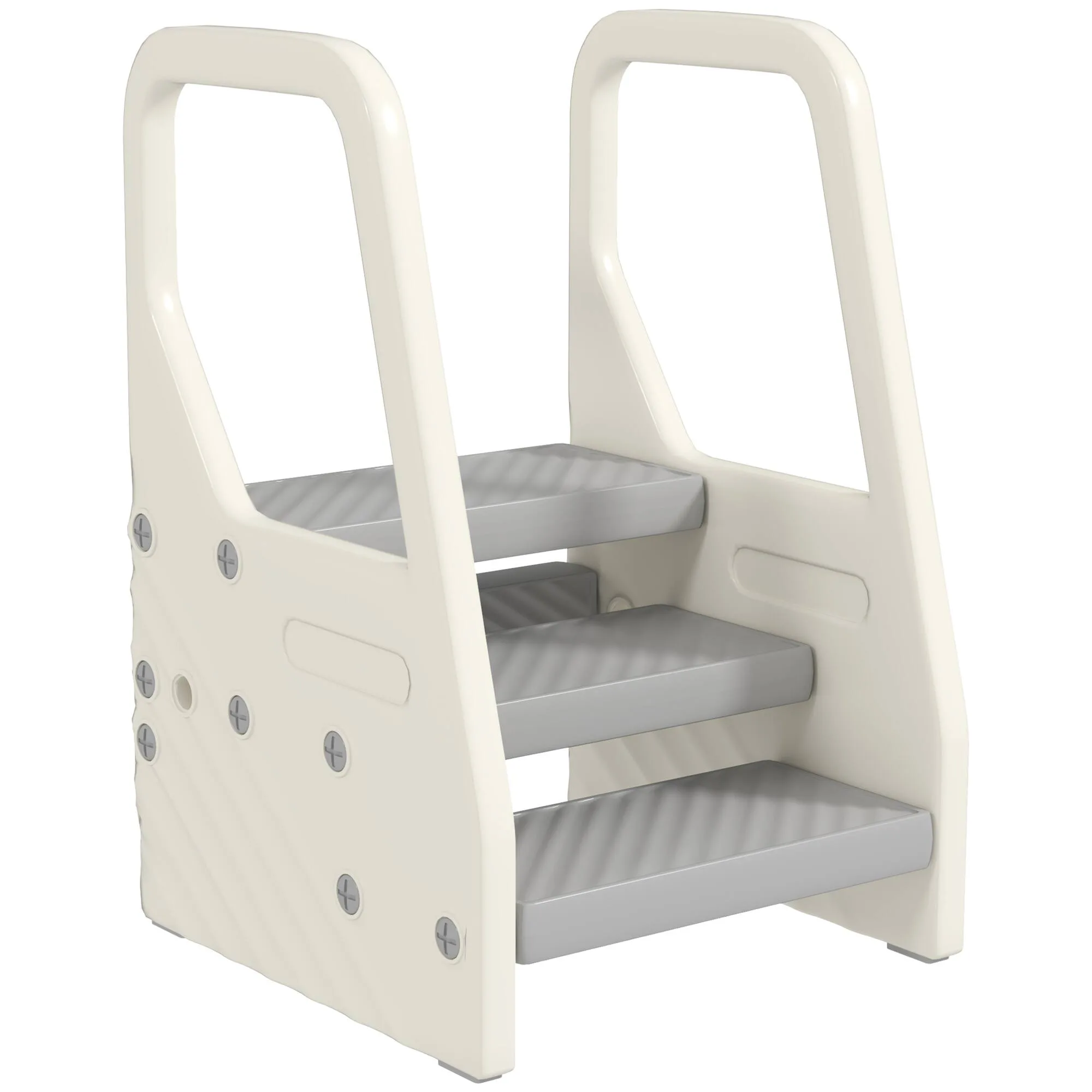

A folding toddler tower with support handles, geared toward caregivers who want extra grab points for climbing confidence. Reviewers note the handles are a standout for kids who are still mastering stepping up and turning around safely. Buyers consistently mention using it for kitchen helping and sink time while appreciating the fold-away idea. Best for cautious climbers because the handles can add a reassuring "hold on here" cue.
- Support handles can boost confidence when stepping up
- Folding design helps with storage
- Good for everyday kitchen and sink routines
- The most common complaint is that foldable towers can be heavier or awkward to move even when they store flatter
- Handles add parts that can complicate assembly
- May not fit under counters when open, depending on your layout
Montessori-Inspired Wooden Classics
These are the sturdy, furniture-like towers families keep out all the time for independence and routine-building. They're especially popular for Montessori-leaning homes that want a classic look in the kitchen.
5. Little Partners Original Learning Tower

A classic, full-size learning tower for families who want a dedicated "yes space" at the counter for cooking, pouring, and washing hands. Across buyer feedback, people often describe it as a long-term staple that gets pulled into daily routines because it feels like real furniture. Reviewers note it's a go-to when you'd rather have a stable, fixed platform than a folding frame. Best for everyday helpers because it's a classic, keep-it-out design that encourages independence.
- Furniture-like feel for daily, long-term use
- Great for cooking and sink routines with a toddler nearby
- Widely available from major retailers
- The most common complaint is that it takes up noticeable floor space
- Not as easy to move room-to-room as lighter helpers
- Typically costs more than basic step stools
6. Sprout Sous-Chef Toddler Tower
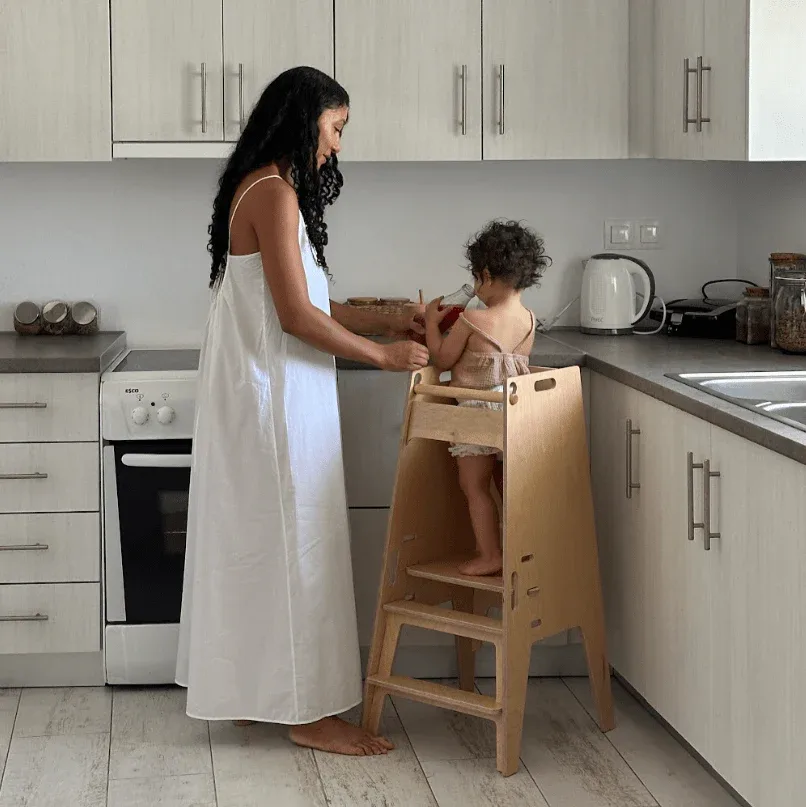

A Sous-Chef themed toddler tower for families who want a wood, Montessori-friendly look that feels intentional in the kitchen. Reviewers note Sprout-style pieces are often chosen for aesthetics and the way they blend into home decor rather than looking like baby gear. Buyers consistently describe it as a routine-builder: kids can watch, stir, and "help" without being held. Best for design-minded households because it leans into that furniture-first Montessori vibe.
- Clean, Montessori-leaning aesthetic
- Great for daily kitchen participation and routines
- Feels like furniture rather than baby gear
- The most common complaint is that premium wooden towers can feel expensive for a single-purpose item
- Wood can show scuffs if dragged around the kitchen
- Not a fold-away option if storage is your top need
7. Wood City Foldable Montessori Learning Tower
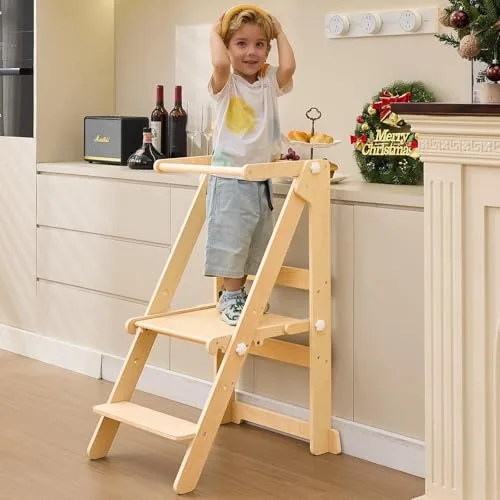
A foldable, Montessori-leaning wooden learning tower for families who want a natural look and the ability to store it away. Reviewers often mention the appeal is the blend of wood aesthetic with practical folding, making it easier to keep the kitchen clear. Buyers consistently report using it for cooking alongside adults and simple countertop activities. Best for style-conscious small spaces because it aims to look like furniture while still folding down.
- Wood look suits Montessori-style home setups
- Foldable for easier storage
- Works well for cooking and countertop activities
- The most common complaint is that assembly and hinge alignment can take time
- Foldable frames may not feel as rock-solid as fixed towers
- Wood finishes can show wear if bumped or dragged
Convertible & Multi-Use Helpers
If you want more than a stand-and-watch tower, convertible designs can stretch your budget and space. These picks are popular for playtime transitions — snack helper to activity surface — without buying a separate toddler table.
8. Piccalio Mini Chef 2-in-1 Convertible Toddler Tower

A 2-in-1 convertible toddler tower that shifts between a counter helper and a small table setup — one item to cover kitchen helping and independent play. Reviewers note the table conversion is a big draw for keeping kids occupied while you finish dinner prep. Buyers consistently report it's especially handy for apartments where you don't want both a tower and a separate toddler table. Best for small homes because it can replace two categories of toddler furniture.
- Converts between tower and table for multi-use value
- Helpful for independent activities beyond the kitchen
- Good space-saver if you'd otherwise buy two items
- The most common complaint is that converting modes can be inconvenient if you switch frequently
- More parts can mean more assembly and more places to tighten/check
- Storage still required even if it replaces another item
9. Qaba 2-in-1 Toddler Tower & Step Stool
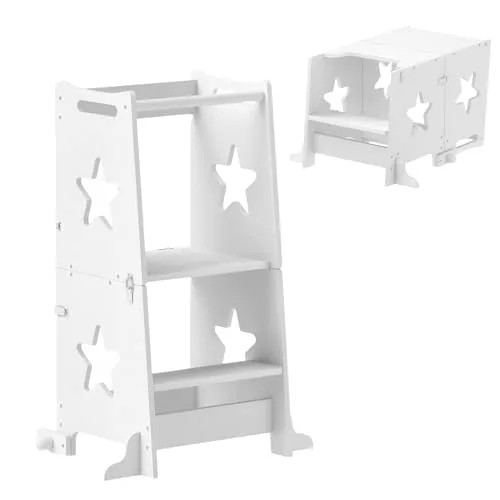

A 2-in-1 design that's meant to bridge the gap between a learning tower and a simpler step stool. Reviewers often mention liking the idea of getting a more enclosed helper experience when needed, while still having a step-stool style option for quick tasks. Buyers consistently describe it as a practical compromise for homes that don't want a huge tower permanently out. Best for flexible routines because it's designed to adapt between "helping" and quick step-ups.
- 2-in-1 concept can cover more everyday scenarios
- Good compromise between a full tower and a basic stool
- Available from multiple major retailers
- The most common complaint is that combo designs may not excel at either role as perfectly as a dedicated product
- More parts can mean more assembly and more places to tighten/check
- May not suit families who want a simple, always-ready tower
10. Labebe Standing Montessori Blackboard Structure
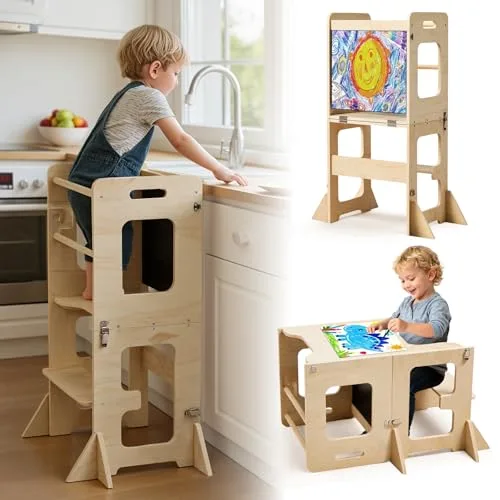
A standing Montessori-style structure with a blackboard, best for caregivers who want a climbing/standing "station" that's more activity-focused than kitchen-focused. Reviewers note these kinds of pieces shine as a dedicated spot for drawing, pretend play, or guided activities — especially when you want to redirect a toddler from the counters. Buyers consistently report it's an engaging way to keep little hands busy nearby while adults handle chores. Best for creative toddlers because it combines standing play with a built-in drawing surface.
- Built-in blackboard encourages creative, independent play
- Acts as a toddler "station" for activities near adults
- Budget-friendly compared with many full towers
- The most common complaint is that it's not a true kitchen learning tower substitute for counter-height helping
- Chalk/dust management may be a hassle in some homes
- May require close supervision for climbing/standing play
Easy-Clean, Modern & Design-Forward Options
Some families want wipe-clean convenience and lighter-weight moving over wood-furniture aesthetics. These picks lean modern and practical — great for busy kitchens, shared caregiving, and everyday messes.
11. Boon PIVOT Toddler Tower
A modern toddler tower for families who want a sleeker look and an easier-to-clean vibe in the kitchen. Reviewers note it's often chosen by parents who prefer contemporary materials and a more streamlined silhouette than traditional wooden towers. Buyers consistently report it's handy for cooking alongside adults without constantly lifting a toddler up and down. Best for modern kitchens because it focuses on everyday usability with a clean, contemporary design.
- Modern look that fits contemporary kitchens
- Generally easier to wipe down than unfinished wood
- Useful for daily helping and snack routines
- The most common complaint is that modern towers can be bulky to store if you don't have a dedicated spot
- Some families prefer the warmer look of wood furniture
- Price can feel high compared with basic stools
12. Step2 Mobile Helper Toddler Tower
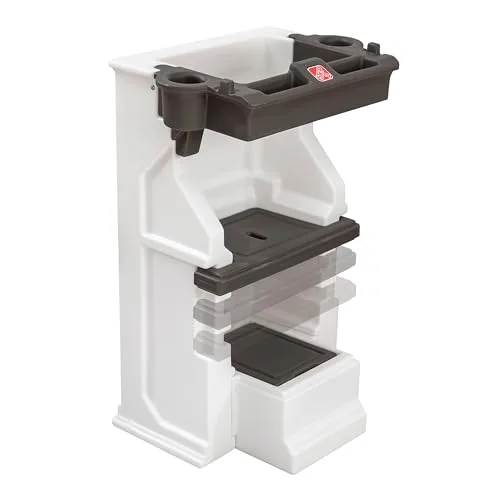

A mobile-style helper tower aimed at families who want to move the toddler station between counter, sink, and other spots without dragging heavy furniture. Reviewers note Step2-style products are often picked for practicality and easy wipe-down surfaces — especially in messier households. Buyers consistently report it's convenient for shared spaces where the tower needs to travel. Best for multi-room routines because mobility makes it easier to use beyond one fixed location.
- Designed to be moved around more easily than heavy wood towers
- Wipe-clean materials suit messy everyday use
- Good for shared spaces and flexible routines
- The most common complaint is that mobile designs can feel less furniture-like than wooden towers
- Some parents prefer a heavier base for a more "planted" feel
- May not match decor if you want a minimalist look
13. Lalo The Tower
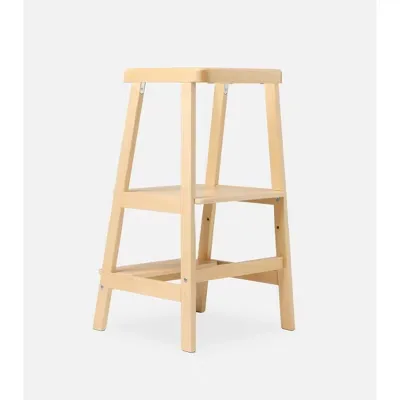

A modern-leaning learning tower pick for families who care about clean lines and want something that looks intentional in the kitchen. Reviewers note it's often chosen as a gift because it's design-forward and feels like a "nice" household item rather than a temporary toddler phase product. Buyers consistently report it supports everyday participation — watching, stirring, and washing — without constant lifting. Best for style-focused gifters because it blends decor appeal with daily practicality.
- Design-forward look that suits modern homes
- Good for daily kitchen helping and sink routines
- Multiple finishes to match home decor
- The most common complaint is that design-led towers can still feel bulky in small kitchens
- Costs more than basic wood step-stool options
- Not typically a fold-away solution
14. Stokke Tripp Trapp High Chair (with Baby Set)
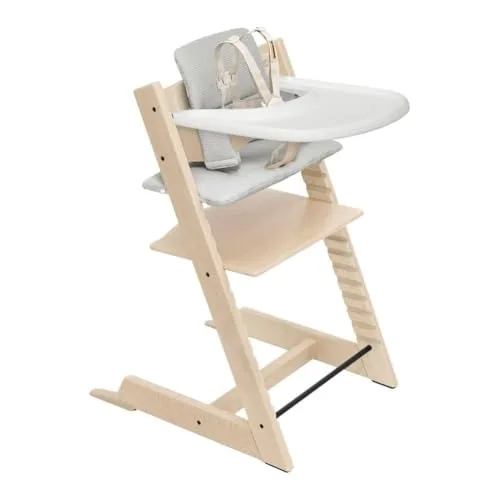
Not a learning tower, but a smart alternative for families who want a single chair that keeps kids at table height from babyhood onward. Across expert reviews and buyer feedback, people consistently emphasize longevity and the way it brings a child into family meals at a comfortable height. Reviewers often mention it's a premium purchase that can reduce the need for multiple seating solutions over time. Best for dining-first families because it prioritizes mealtime ergonomics and long-term usefulness.
- Designed for table-height participation at meals
- Often chosen for long-term, grow-with-kid value
- Strong alternative if a learning tower feels too kitchen-specific
- The most common complaint is the price — especially once you add accessories
- Not a substitute for counter-height "helping" like a true tower
- More setup/accessories to manage as your child grows
Budget-Friendly Picks
If you're shopping the lower end of the range, these options aim to deliver the "help at adult height" moment without the premium price tag. They can be great gifts — just pay attention to footprint, enclosure, and how your toddler climbs.
15. Woodure 4-in-1 Toddler Kitchen Step Stool
A 4-in-1 step-stool style helper for families who want versatility on a tighter budget and don't necessarily need a full learning-tower enclosure. Reviewers note multi-function helpers appeal to caregivers who want one item for multiple stages and tasks around the house. Buyers consistently report using these for sink access, snack prep, and quick "I want to see" moments. Best for occasional kitchen helpers because it's a flexible, value-focused alternative to premium towers.
- Multi-use concept stretches value for changing toddler needs
- Works for quick sink/counter access moments
- More budget-friendly than many full-size towers
- The most common complaint is that step-stool helpers can feel less secure than fully enclosed learning towers
- May not be ideal for very wiggly toddlers who climb unpredictably
- Can take up space even if it's lighter than a full tower
16. IKEA BEKVÄM Step Stool (learning tower hack)
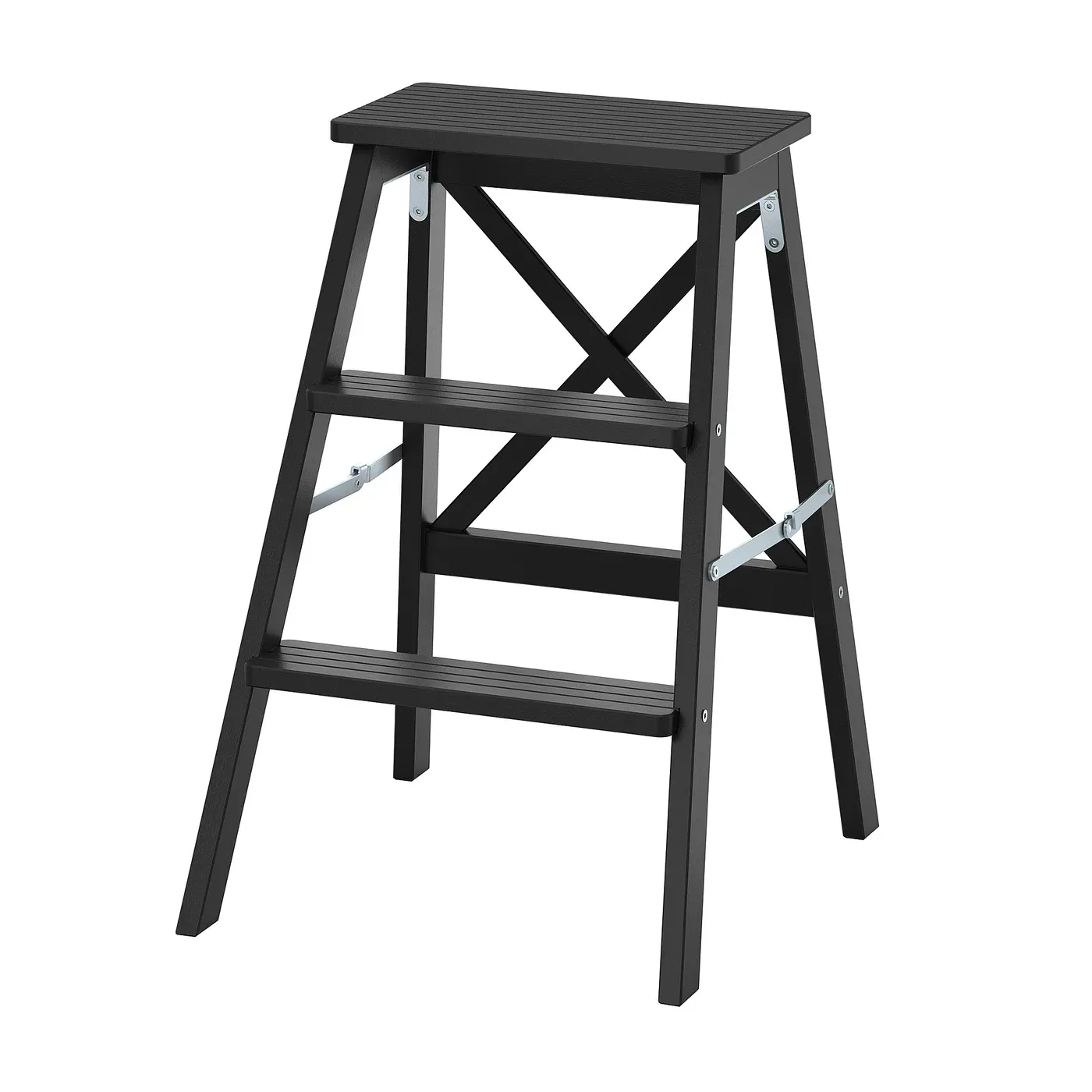
A classic step stool that many families use as a budget starting point before committing to a full learning tower. Reviewers and DIY-minded parents often mention it's easy to fit into most kitchens and works well for supervised tasks like handwashing or helping at a low surface. Buyers consistently report it's a simple, affordable way to support independence — just not a substitute for an enclosed tower. Best for tight budgets because it's an inexpensive on-ramp to toddler "I can reach it" routines.
- Affordable, widely available option
- Simple to move around the home
- Good for supervised sink access and quick tasks
- The most common complaint is that it lacks the enclosed safety rails of a learning tower
- May not be tall enough for true counter-height helping in every kitchen
- Not designed specifically for toddler climbing behavior
Ready to Share Your Wishlist
Get the tower that fits your kitchen — not a duplicate or the wrong finish. Save your shortlist to a WishDeck wishlist with notes on finish and color, organize ideas into folders for birthdays or holidays, and share the link. Grandparents and friends can reserve what they're buying, so you never end up with two towers and no counter space.
Frequently Asked Questions
Popular Reads
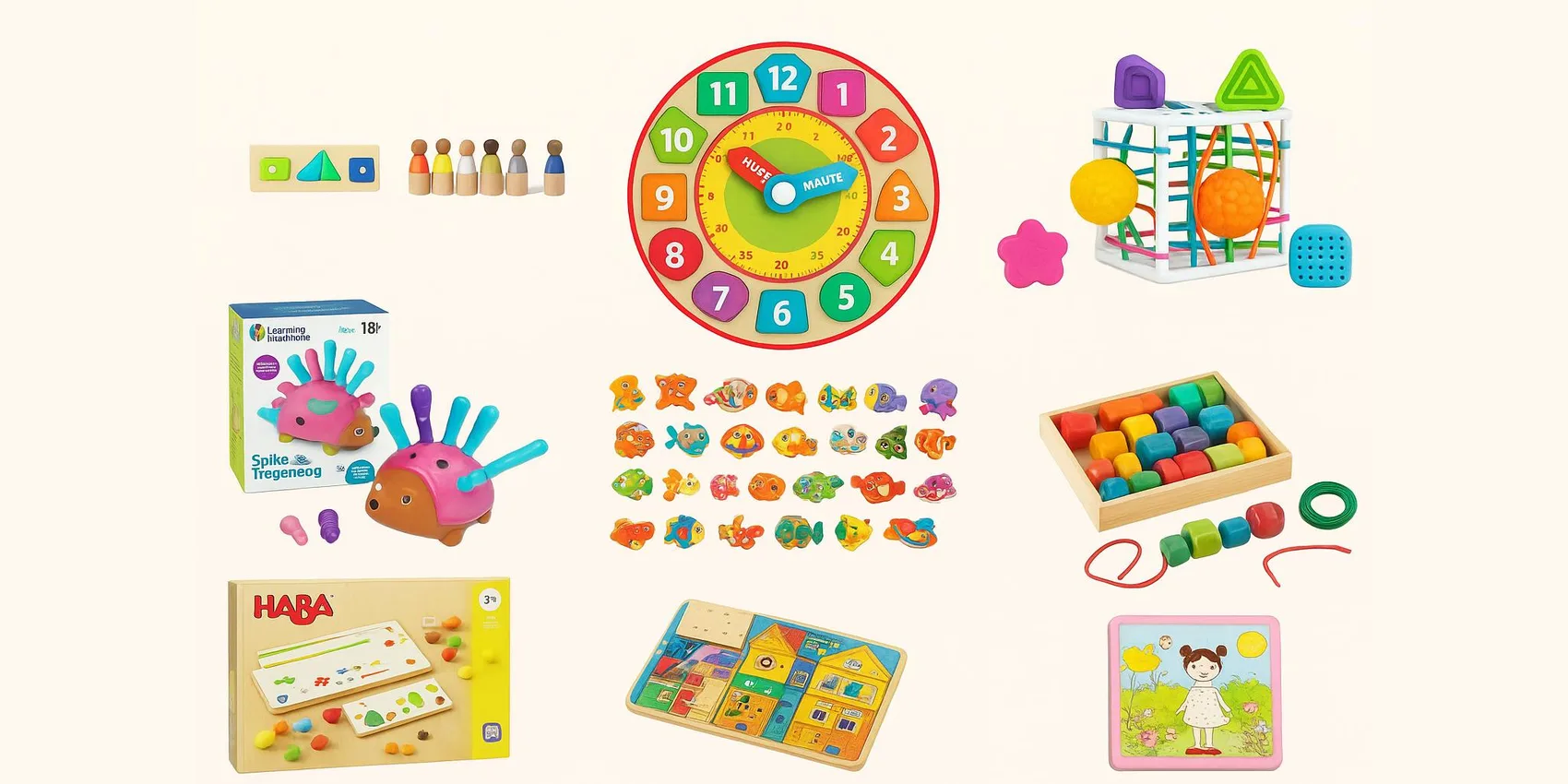
- Best Montessori Toys for Fine Motor Skills (2026): Toddler-Approved Picks
- Best Gifts for 2-Year-Olds: Learning Toys, Books & Birthday Picks
- Best Small & Compact High Chairs for Small Spaces & Apartments
- 14 Must-Have Baby Products & Gear for 2026 (Registry-Tested)
- Best Baby Safety Products 2026: Babyproofing Essentials That Actually Work
Looking for more insights? Explore related topics: Best Montessori Toys for Fine Motor Skills (2026), Best Gifts for 2-Year-Olds, Best Small & Compact High Chairs or find more on our Blog.